ANNONCE
A Mexican Neighbor and a Lesson in Measurement
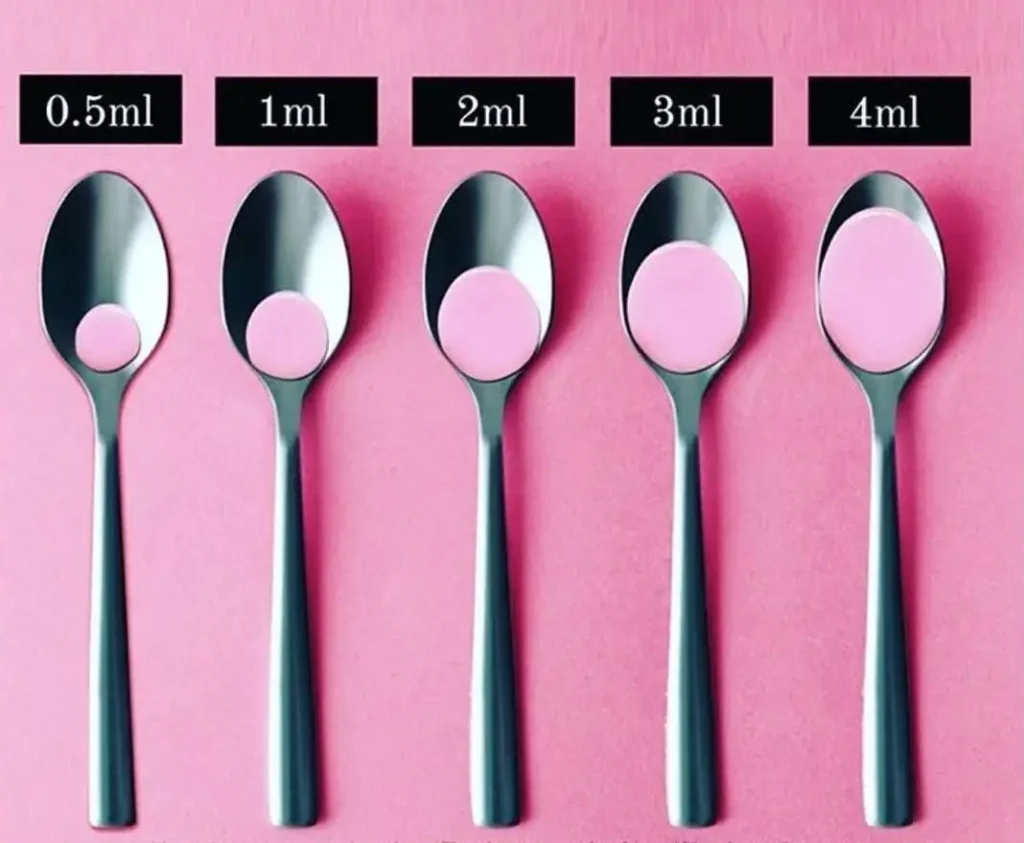
I still remember the aroma of cinnamon and vanilla wafting from my neighbor Rosa’s kitchen every Saturday morning. She was a vibrant, warm-hearted Mexican grandmother who always welcomed me into her home with a smile and a wooden spoon in hand. Rosa made the most heavenly arroz con leche, and one morning, as I tried to follow along with her recipe, I froze. The instructions called for “1 oz of vanilla extract,” but all I had was a set of measuring spoons. “How do I convert ounces to teaspoons?” I asked nervously. She chuckled, wiped her hands on her apron, and said, “Ah, mija, that is something every good cook must know.”
ANNONCE
Table of Contents
From that day on, I realized the importance of understanding measurement conversions in cooking. Knowing how to convert ounces to teaspoons not only improves your culinary skills but ensures that your dishes turn out just as they should—flavorful, balanced, and, most importantly, precise.
So let me take you through everything I have learned since that delightful morning, and hopefully, by the end of this guide, you will feel just as confident with your measuring spoons as I did in Rosa’s cozy kitchen.
ANNONCE


Understanding Fluid Ounces and Teaspoons
What is a Fluid Ounce?
A fluid ounce, often abbreviated as “fl oz,” is a unit of volume used primarily in the United States to measure liquids. Unlike a weight ounce (which measures mass), a fluid ounce refers strictly to volume. This distinction often confuses home cooks, especially when dealing with ingredients that have different densities. One fluid ounce in the U.S. customary system equals approximately 29.57 milliliters.
When I first started cooking more seriously, I assumed an ounce was always about weight. However, I quickly learned that 1 fluid ounce of water is very different from 1 ounce of flour. This differentiation matters because liquids like oils, syrups, or extracts require precise volume measurements to maintain balance in a recipe. Too much vanilla extract, for instance, can overpower a dish, while too little olive oil may ruin a delicate emulsion.
Related Posts:


Understanding what a fluid ounce represents is fundamental to accurate cooking. It is the foundation upon which conversion to teaspoons, tablespoons, or cups is built. As you read recipes, always be sure to determine whether the ingredient in question is being measured by weight or volume—doing so could make or break your dish.
For more free daily recipes, follow us on our Facebook page!
What is a Teaspoon?
A teaspoon, denoted as “tsp,” is one of the smallest common units used in cooking to measure volume, especially for spices, flavorings, and other potent ingredients. In the U.S. system, 1 teaspoon equals exactly 4.92892 milliliters, though most home cooks round this to 5 ml for ease.
Growing up, I would often watch my mother bake, and she always emphasized using the right measuring spoon. “A real teaspoon, not the one we stir our tea with,” she would correct me with a wink. That distinction stuck with me. Using flatware rather than standardized measuring tools can lead to inconsistent results, especially when a recipe demands precision.
Teaspoons are vital in culinary measurement because they provide control and granularity. Whether it’s baking powder, vanilla extract, or chili flakes, the teaspoon ensures balance in flavor and texture. In a world of diverse ingredients, from pungent garlic to subtle rosewater, this small unit holds great significance.
The Conversion Formula: Oz to Tsp

How Many Teaspoons Are in an Ounce? (Oz to Tsp)
This is the heart of the matter and a question I now know by heart. The conversion from fluid ounces to teaspoons is straightforward:
1 fluid ounce = 6 teaspoons
This formula is based on the U.S. standard measurements and serves as a reliable constant in cooking. When Rosa handed me her family recipe and said “1 oz vanilla,” she meant exactly 6 teaspoons. This rule holds true for most liquid ingredients unless otherwise specified.
Let me offer a quick reference:
- 0.5 oz = 3 tsp
- 1 oz = 6 tsp
- 2 oz = 12 tsp
Understanding this formula allows for flexibility in the kitchen. I often scale recipes up or down depending on how many guests I have over. If I am doubling a sauce that calls for 2 oz of soy sauce, I know I need 12 teaspoons times two, which is 24 teaspoons or 8 tablespoons. This simple knowledge bridges the gap between abstract recipe instructions and tangible ingredients.
Why the Conversion Matters in Cooking
Accuracy in measurement is not just a technicality—it is the soul of good cooking. I once attempted a crème brûlée recipe using an incorrect vanilla extract measurement. Instead of the smooth, custardy delight I anticipated, it turned out bitter and overwhelming. That mistake taught me how even a small miscalculation can derail a dish.
Here is why conversion matters:
- Flavor balance: Ingredients like salt, vanilla, and spices must be precisely measured.
- Texture integrity: Liquids affect moisture content and structural stability in baked goods.
- Chemical reactions: Baking is chemistry; ingredients must react in specific proportions.
Inconsistent conversions result in poor outcomes. Over the years, I have learned that when you convert oz to tsp, especially for high-impact ingredients, you are not just translating numbers—you are honoring the science of taste.
Practical Applications of Oz to Tsp Conversion
Recipes That Require Precise Measurements
When I first started baking French macarons, I was overwhelmed by the precision it demanded. These delicate pastries require the exact amount of liquid coloring, extract, and egg whites to achieve the perfect shell. Just 0.1 oz off, and they crack or hollow out. That is when I began using my conversion chart religiously.
Here are some recipes that demand precision:
- Custards and puddings (e.g., flan, crème brûlée)
- Dressings and vinaigrettes with vinegar and oils
- Sauces like béchamel or hollandaise
- Cocktails and mocktails involving bitters or syrups
- Herbal tinctures in natural home remedies
In each of these cases, converting oz to tsp accurately ensures the intended flavor, texture, and presentation.
The Importance of Accurate Conversions in Baking
Baking is less forgiving than cooking. While you can eyeball salt in a soup, you cannot guess how much baking powder to add in a cake. I recall baking my aunt’s famous lemon loaf for a church potluck and mistakenly added 1 fluid ounce of lemon extract instead of 1 teaspoon. The result was so pungent no one could eat it.
Let me break down why accurate measurements matter in baking:
- Chemical reactions between leavening agents (like baking soda) and acids (like buttermilk)
- Moisture control: too much liquid ruins consistency
- Consistency in texture and taste: particularly in large batches
Using exact teaspoon conversions from ounces protects your baking from turning into a disaster. It is this attention to detail that transforms a hobbyist into a confident baker.
Common Conversion Scenarios
Converting Between Different Measurement Units (Oz to Tsp)
Once you master oz to tsp, you will encounter situations where conversions go beyond teaspoons. For instance, I often double recipes and need to jump between ounces, tablespoons, and cups. Below is a simple conversion table I keep taped to my refrigerator:
| Measurement | Equivalent |
|---|---|
| 1 fl oz | 2 tbsp = 6 tsp |
| 1 tbsp | 3 tsp |
| 1 cup | 8 fl oz = 48 tsp |
| 0.5 oz | 3 tsp |
These conversions are especially useful when adapting recipes between U.S. and metric systems, or when scaling up for larger gatherings. With practice, moving from teaspoons to ounces and vice versa becomes second nature.
Discover free daily recipes and kitchen inspiration — follow us on Pinterest!
Examples of Common Ingredients
Let us look at a few everyday kitchen scenarios where you need to convert ounces to teaspoons:
- Vanilla Extract: If a recipe calls for 1 oz, measure 6 teaspoons for proper flavor.
- Lemon Juice: Fresh lemon juice is often measured in fluid ounces. 0.5 oz = 3 tsp.
- Soy Sauce: When adding to stir-fries, 2 oz = 12 tsp.
- Maple Syrup: Used in dressings or glazes, 1 oz = 6 tsp.
- Apple Cider Vinegar: For detox drinks or marinades, 0.5 oz = 3 tsp.
Being able to convert oz to tsp accurately makes your time in the kitchen smoother and more efficient. It also enhances your culinary intuition over time.
FAQs About Oz to Tsp Conversion
Is 2 teaspoons 1 oz?
No, 2 teaspoons is not equal to 1 oz. In fact, 1 fluid ounce equals 6 teaspoons. So 2 teaspoons would only be one-third of a fluid ounce. This is a common misconception, especially when people equate tablespoons or teaspoons loosely with ounces.
How many tsp are in one oz of dry?
This is a tricky one. If you are referring to weight ounces (dry), the conversion depends on the ingredient’s density. For example:
- 1 oz of flour ≈ 10.7 tsp
- 1 oz of sugar ≈ 2.3 tbsp ≈ 7 tsp
When converting dry ounces to teaspoons, it is essential to refer to ingredient-specific charts because 1 oz of flour does not weigh the same as 1 oz of cinnamon.
Does 3 tablespoons equal 1 oz?
No, it does not. 3 tablespoons equal 1.5 ounces, since 1 tablespoon = 0.5 oz. It is an easy mistake to make, and I have done it myself when rushing. Always remember:
- 1 tbsp = 0.5 oz
- 2 tbsp = 1 oz
- 3 tbsp = 1.5 oz
Is 1 oz 2 tablespoons?
Yes, this one is accurate. 1 fluid ounce equals 2 tablespoons. This is a helpful conversion to remember, especially when measuring cooking oils or syrups without a liquid ounce cup.
Handy Tips for Accurate Measurements
Using Measuring Tools Effectively
I cannot stress enough the importance of proper tools. Here are my go-to tips:
- Use liquid measuring cups for fluids and dry measuring spoons for powders.
- Always level off dry ingredients using a knife.
- Check at eye level when using glass measuring cups to avoid parallax errors.
- Clean and dry spoons between sticky ingredients like honey or molasses.
Having the right tools simplifies the process and ensures precision, especially when converting oz to tsp during a busy cooking session.
Common Mistakes to Avoid
Some pitfalls I have learned to sidestep:
- Using eating spoons instead of standardized measuring tools.
- Confusing fluid ounces with weight ounces.
- Assuming all liquids have the same volume-to-weight ratio.
- Forgetting to adjust for altitude in baking (though rare, this can affect sensitive recipes).
Stay mindful, double-check your conversions, and always trust the math. It is better to spend an extra minute measuring than to waste a whole batch of cookies.
Discover free daily recipes and kitchen inspiration — follow us on Pinterest!
Conclusion: Mastering the Oz to Tsp Conversion
Cooking, at its heart, is about balance—of flavors, textures, and quantities. Mastering how to convert oz to tsp is a vital step toward becoming a more skilled and confident home cook. From family traditions to professional recipes, this small knowledge goes a long way in delivering consistency and excellence in every dish you prepare.
Disclaimer: The content provided in this article is for informational purposes only and does not constitute professional medical or nutritional advice, diagnosis, or treatment. Always consult a qualified health provider for any questions regarding dietary or health concerns.
Hungry for more? Follow us on Facebook for fresh, free recipes every single day! Grandma’s Kitchen.