ANNONCE
How Many Tablespoons in an Ounce
Understanding the Basics of Ounces and Tablespoons
When I was a child, I spent countless weekends in my grandmother’s kitchen. Her hands, seasoned by time and tradition, would stir, scoop, and sprinkle ingredients with a kind of confidence that defied measurement. She never once reached for a digital scale. “You’ll know it when it feels right,” she would say, but I—ever the curious one—wanted precision. I remember once asking her, “How many tablespoons in an ounce, Grandma?” She gave me a warm smile and replied, “Ah, that depends, sweetie.” That moment sparked a lifelong curiosity in me about culinary measurements, especially the nuances of conversions like how many ounces in a tablespoon or the classic oz to tbsp dilemma.
ANNONCE
Table of Contents
Understanding how tablespoons and ounces work is essential not just for bakers and chefs, but for anyone navigating a recipe with accuracy. Mistaking an ounce for a tablespoon or vice versa can be the difference between a fluffy cake and a rubbery disaster. That is why I believe every kitchen enthusiast should master this conversion.
Discover free daily recipes and kitchen inspiration — follow us on Pinterest!
ANNONCE


What is an Ounce?
An ounce is a unit of measurement used in both the imperial and U.S. customary systems. In the context of cooking, ounces typically refer to either weight (dry ounce) or volume (fluid ounce). One fluid ounce is equal to 1/8 of a cup or approximately 29.5735 milliliters. Meanwhile, a dry ounce measures weight and equals roughly 28.35 grams. The distinction is subtle but critical.
Historically, the ounce has roots in Roman measurements and evolved through the British Imperial System. Today, it persists in American kitchens despite the metric system being the international standard.
Related Posts:


What is a Tablespoon?
A tablespoon is a volume measurement, most commonly used for both liquid and dry ingredients in cooking. One tablespoon in the U.S. equals 1/2 fluid ounce or about 14.79 milliliters. Although the term “tablespoon” might evoke a literal spoon from your cutlery drawer, standardized measuring spoons are more accurate.
Understanding how many tablespoons in an ounce is a foundational skill for anyone seeking consistency in the kitchen. These small tools may seem humble, but they carry a great responsibility—ensuring flavor, texture, and culinary precision.
Liquid Conversions: How Many Tablespoons in an Ounce?
Years ago, I visited my neighbor Rosa, a proud Mexican home cook. Her tamales were legendary. As we prepared the masa together, I noticed she added lard not by weight, but with tablespoons. I asked, “Do you know how many tablespoons are in an ounce?” She laughed and said, “Ay mija, just trust your spoon!” Still, the scientist in me wanted numbers.
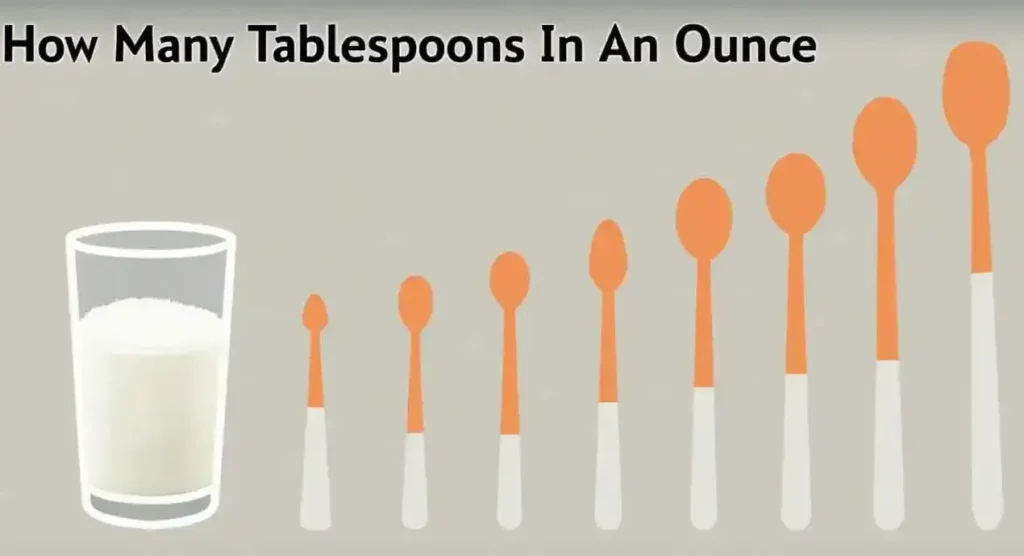
For liquids, the conversion is relatively straightforward. Since fluid ounces are a measure of volume, we can confidently state that:
- 1 fluid ounce = 2 tablespoons
This is a fixed ratio, meaning every time you see a measurement in fluid ounces, you can double it to find the number of tablespoons.
Fluid Ounces vs. Dry Ounces
One of the greatest sources of confusion is the difference between fluid ounces and dry ounces. A fluid ounce measures volume, while a dry ounce measures weight. This means that 1 fluid ounce of honey will not weigh the same as 1 fluid ounce of water or oil. The density of the ingredient changes the outcome.
For example:
- 1 fluid ounce of water = 29.57 grams
- 1 fluid ounce of olive oil = approximately 28 grams
- 1 fluid ounce of honey = around 42 grams
Understanding this difference is crucial when interpreting recipes, especially when translating from metric units.
Discover free daily recipes and kitchen inspiration — follow us on Pinterest!
Common Liquid Ingredients (Tablespoons in an Ounce)
Here are common liquid ingredients and their typical tablespoon equivalents:
| Ingredient | 1 oz (fluid) = Tablespoons |
|---|---|
| Water | 2 tbsp |
| Milk | 2 tbsp |
| Olive oil | 2 tbsp |
| Vinegar | 2 tbsp |
| Lemon juice | 2 tbsp |
These measurements hold true across most recipes, but always remember to check if the ounce being referenced is fluid or dry. When in doubt, look for context clues like whether the ingredient is pourable or needs to be weighed.
Dry Ingredients: Converting Ounces to Tablespoons
My Aunt Marie had a strict pie crust recipe, passed down from her French-Canadian mother. She insisted that butter be measured in ounces, but flour in cups. “Dry ingredients are tricky,” she would mutter, carefully leveling each spoonful. And she was right—dry ounces do not convert as neatly to tablespoons.
Why Dry Ingredients Vary
Unlike liquids, dry ingredients can differ dramatically in density. A tablespoon of powdered sugar weighs far less than a tablespoon of peanut butter. Thus, how many tablespoons in an ounce depends entirely on what you are measuring. Here are a few reasons why conversions vary:
- Density: Heavier items like brown sugar or chopped nuts pack more weight into each tablespoon.
- Packing: Some ingredients like brown sugar are often packed tightly, increasing weight per spoon.
- Granularity: Fine powders settle differently than coarser grains.
Because of these variations, using a kitchen scale is the most reliable method when precision is required.
Common Dry Ingredients and Their Conversions
Here is a handy conversion table for common dry ingredients:
| Ingredient | 1 oz (dry) = Approx. Tablespoons |
|---|---|
| All-purpose flour | 3 1/3 tbsp |
| Granulated sugar | 2 1/4 tbsp |
| Brown sugar (packed) | 2 1/4 tbsp |
| Cocoa powder | 3 tbsp |
| Cornstarch | 3 tbsp |
| Rolled oats | 3 tbsp |
| Shredded coconut | 4 tbsp |
| Peanut butter | 1 tbsp |
As seen, the tablespoons in an ounce for dry items are far from uniform. That is why it is always good practice to consult a conversion chart or use a digital kitchen scale.
Practical Applications of Ounces to Tablespoons Conversion (Tablespoons in an Ounce)
When I started developing my own recipes, accuracy became my obsession. Whether whipping up a caramel sauce or portioning cookie dough, I realized that converting ounces to tablespoons was not just academic—it was practical and often urgent.
Cooking and Baking Scenarios
Let us say you are working on a recipe that calls for 6 ounces of milk. Without a measuring cup, you could simply multiply:
- 6 oz x 2 tbsp/oz = 12 tablespoons
Or perhaps you need to halve a recipe that includes 4 tablespoons of butter. Since butter is often measured in ounces:
- 4 tbsp ÷ 2 = 2 tablespoons = 1 ounce
These conversions matter when:
- You are scaling recipes up or down.
- You do not have a full set of measuring tools.
- You need quick substitutions.
Scaling Recipes
Scaling recipes is one of the most common reasons for converting ounces to tablespoons. For instance:
- Doubling a recipe calling for 2 oz of oil = 4 oz = 8 tbsp
- Halving a recipe calling for 3 tbsp of cream = 1.5 tbsp = 0.75 oz
In such situations, a strong understanding of how many tablespoons in an ounce helps avoid guesswork and ensures consistent results.
Handy Conversion Tools and Tips
When my digital scale’s battery died mid-baking, I had to rely on mental math and memory. It was then I appreciated having handy tools and tips for quick conversions.
Using a Kitchen Scale (Tablespoons in an Ounce)
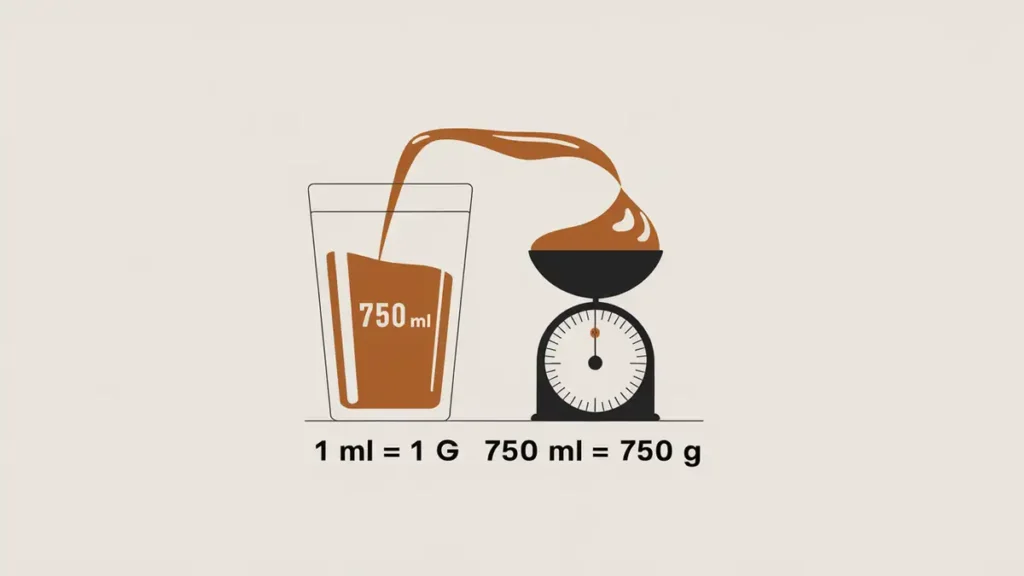
A kitchen scale remains the most reliable method for converting dry ounces. Many scales allow switching between grams, ounces, and milliliters, helping avoid errors when interpreting recipes.
Tips for using scales:
- Zero out your container before adding ingredients.
- Use grams for even more precise conversion.
- Keep a chart of ingredient densities nearby for reference.
Quick Measurement Hacks
If you are without a scale or full set of spoons, consider these practical hacks:
- 1 standard U.S. tablespoon = 3 teaspoons
- 2 tablespoons = 1 fluid ounce
- 16 tablespoons = 1 cup
Having these in mind can help you estimate with reasonable accuracy. Also, investing in a magnetic set of measuring spoons and a small conversion chart on your fridge can be lifesaving.
FAQs About Tablespoons and Ounces
Does 4 tablespoons equal 1 ounce?
No, 4 tablespoons equal 2 fluid ounces. Since 1 fluid ounce = 2 tablespoons, you can double that to get 4 tablespoons.
how many ounces in a tablespoon dry?
This depends on the ingredient. For example, 1 tablespoon of flour weighs about 0.3 ounces, whereas 1 tablespoon of peanut butter may weigh around 0.5 ounces. There is no universal answer.
Is 2 oz equal to 4 tbsp?
Yes, for liquids. Since 1 fluid ounce = 2 tablespoons, 2 oz = 4 tablespoons.
How much is 1 oz to tbsp or tbsp?
1 ounce = 2 tablespoons = 6 teaspoons. This applies to fluid ounces.
Can I use a different type of measurement?
Yes, as long as you convert consistently. For example, 1 cup = 8 ounces = 16 tablespoons. Switching between units is fine if calculations are accurate.
What if I don’t have measuring spoons?
Use kitchen items:
- 1 standard spoon = about 1 tablespoon
- A shot glass = approximately 1 ounce
Still, for baking, precision matters. Invest in standard measuring tools.
How do I convert between different measurement systems?
Use this rough conversion:
- 1 ounce ≈ 28.35 grams
- 1 tablespoon ≈ 14.79 mL
Online converters and charts also help when navigating between metric and imperial systems.
What’s the best way to measure sticky ingredients?
Use a spoon sprayed with non-stick spray or dipped in hot water. Sticky ingredients like honey or syrup will slide right off, giving you an accurate tablespoon every time.
Conclusion: Mastering Your Measurements (Tablespoons in an Ounce)
I have learned, often through trial and error, that understanding how many tablespoons in an ounce is more than a culinary curiosity—it is a skill. Whether you are improvising in the kitchen, scaling your favorite recipe, or simply trying to perfect your grandmother’s cookies, mastering these conversions empowers you to cook with confidence and consistency.
This article is for informational purposes only and does not constitute medical or nutritional advice. Always consult a professional before making dietary changes.
Hungry for more? Follow us on Facebook for fresh, free recipes every single day—straight from Grandma’s Kitchen!

Amazing Vegetable Pizza
Equipment
- Pizza Stone
Ingredients
Pizza Dough
- 1 cup water lukewarm
- 2 cups all-purpose flour
- 1 tsp instant yeast
- 1 tsp salt
- 1 tsp sugar
Pizza Toppings
- red sauce
- 1/4 red onion
- 1/4 green pepper
- 1/4 red pepper
- rosemary
Instructions
- Combine the water, yeast and sugar in a bowl. Rest for 5 minutes.
- Combine the flour and salt.
- Add the yeast mixture and knead until you get a soft ball.
- Place in a bowl and cover. Let rise for 30 minutes.
- Divide the dough and form pizzas.
- Top the pizzas with sauce and vegetables, cook for 15 minutes on the pizza stone.
Notes
How Long to Boil Chicken: A Complete Guide