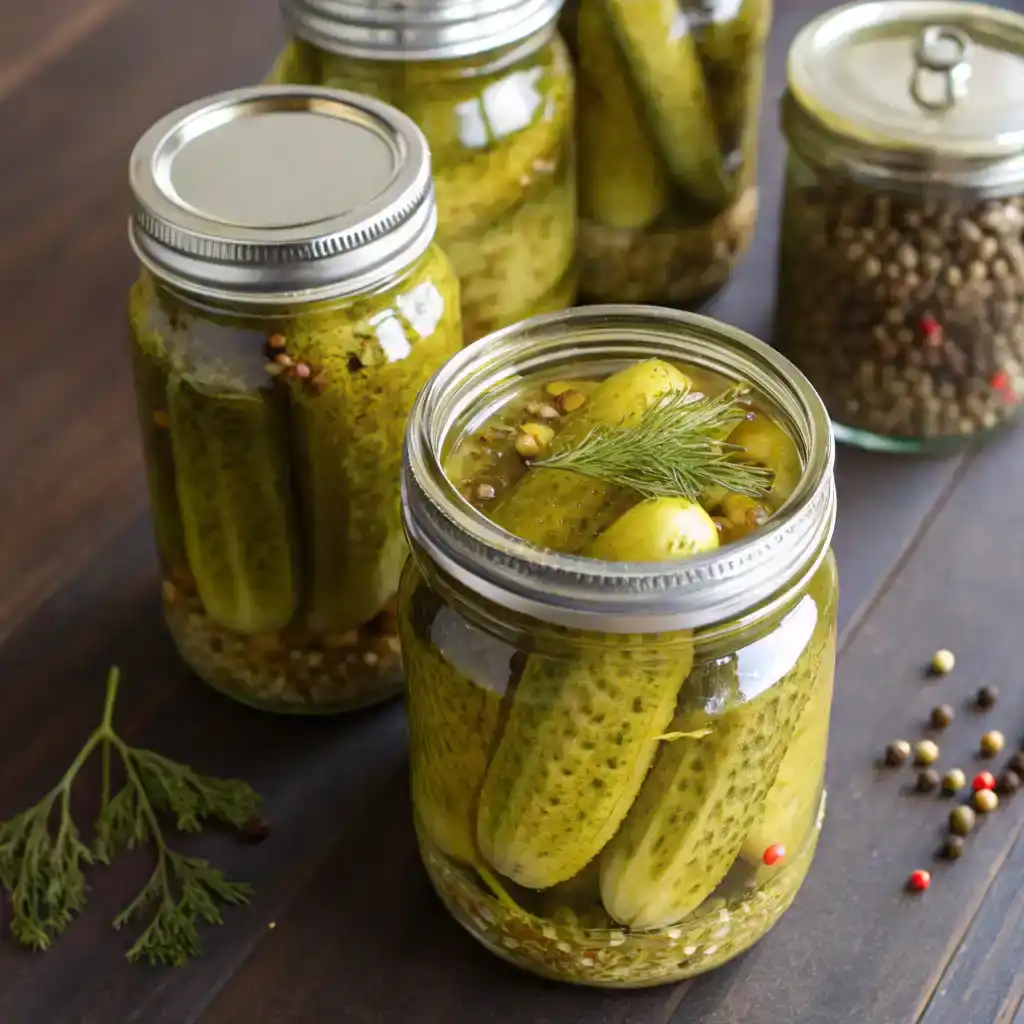
The magic of pickle brine has always fascinated me. I still remember the summer afternoon I stood in my grandmother’s sunlit kitchen, watching her slice cucumbers with a rhythm only years of practice could bring. Jars lined the counter like soldiers, waiting to be filled. “The secret,” she said, stirring a steaming pot of vinegar and spices, “is in the pickle brine.”
ANNONCE
That day, I learned more than just how to make pickles I learned about preservation, patience, and flavor. Her homemade dill pickle recipe wasn’t just food; it was legacy. Now, decades later, I’ve returned to that same pickle brine recipe, refined it, and made it accessible for anyone who wants to create delicious, crunchy homemade pickles at home no canning experience required.
Why Will You Like This Recipe?
This basic pickle brine is quick, foolproof, and endlessly adaptable. Whether you’re craving classic dill pickles or want to experiment with fruits and vegetables, this brine delivers consistent results with minimal effort perfect for beginners and seasoned home preservers alike.
This quick, foolproof pickle brine delivers tangy, crunchy pickles without canning. Ideal for cucumbers, carrots, onions, or even fruit, it’s endlessly customizable with herbs and spices for your perfect flavor profile.
In a medium saucepan, combine water, vinegar, sugar, and kosher salt. Place over high heat and bring to a rolling boil, stirring until sugar and salt dissolve.
Remove from heat and let brine cool for 10 minutes to prevent vegetables from softening too quickly.
Pack prepared vegetables into a clean, sterilized 32-oz mason jar. Add optional dill, garlic, and mustard seeds if desired.
Pour warm brine over vegetables, ensuring they are fully submerged.
Seal the jar and refrigerate for at least 48 hours before enjoying. Flavor deepens over time.
Notes
Customize with spices like red pepper flakes, turmeric, or extra garlic for unique variations. Keep refrigerated for up to 2 months.
Servings: Makes 4 cups of brine (enough for one 32-oz. mason jar)
Calories: Approximately 25 kcal per ¼ cup serving of brine
Ingredients for the Perfect Pickle Brine
This pickle brine recipe uses only four essential ingredients to create a balanced, flavorful base. Here’s what you’ll need:
1 cup water – Acts as the base liquid, helping dilute the vinegar for a balanced acidity.
1 ⅓ cups white vinegar – Provides the tangy backbone and preserves the vegetables. Use distilled white vinegar for consistent results.
⅓ cup granulated sugar – Balances the sharpness of the vinegar without overpowering the natural taste of the produce.
2 tablespoons of kosher salt – Essential for enhancing flavor and preserving freshness. Avoid iodized salt, as iodine can cause cloudiness and off-flavors.
Note: This brine is naturally gluten-free, vegan, and contains no alcohol—ideal for a wide range of dietary needs.
Creating your own pickle brine is easier than you think. Follow these simple steps to master the art of how to make pickles at home.
Step One: Combine and Heat the Brine Ingredients
🫖 In a medium saucepan, combine 1 cup water, 1 ⅓ cups white vinegar, ⅓ cup sugar, and 2 tablespoons kosher salt. Set over high heat and bring to a vigorous boil, stirring constantly until the sugar and salt have completely dissolved.
Tip: Heating the brine helps infuse flavors quickly and ensures even distribution of salt and sugar.
Step Two: Cool the Brine Before Use
⏱ When it reaches a boil, take the saucepan off the heat and allow the pickle brine to cool for 10 minutes. This prevents the vegetables from becoming mushy while still allowing the brine to penetrate for optimal flavor.
Step Three: Pour Over Prepared Produce
Pack clean, sliced vegetables (like cucumbers, carrots, or onions) into a sterilized 32-oz. mason jar. Carefully pour the warm brine over the top, ensuring all pieces are submerged.
Optional Additions: For a dill pickles recipe, add 2–3 sprigs of fresh dill, 2 peeled garlic cloves, and 1 tsp mustard seeds before sealing.
Step Four: Chill and Wait
Seal the jar with a tight-fitting lid and refrigerate for at least 48 hours before eating. The more time they rest (up to 2 months), the richer their flavor will be.
Pro Tip: Give the jar a gentle shake each day to evenly redistribute the brine and boost flavor absorption.
Variations and Customizations
This pickle brine is your culinary canvas. Here are some delicious ways to customize it:
Spicy Pickles: Add 1–2 sliced jalapeños or ½ tsp red pepper flakes.
Sweet Bread and Butter Style: Increase sugar to ½ cup and add 1 tsp turmeric and 1 thinly sliced onion.
Garlic Dill Pickles: Double the garlic and add fresh dill flowers for a bold flavor.
Fruit Pickles: Try pickling watermelon rind, peaches, or apples for a sweet-tart treat.
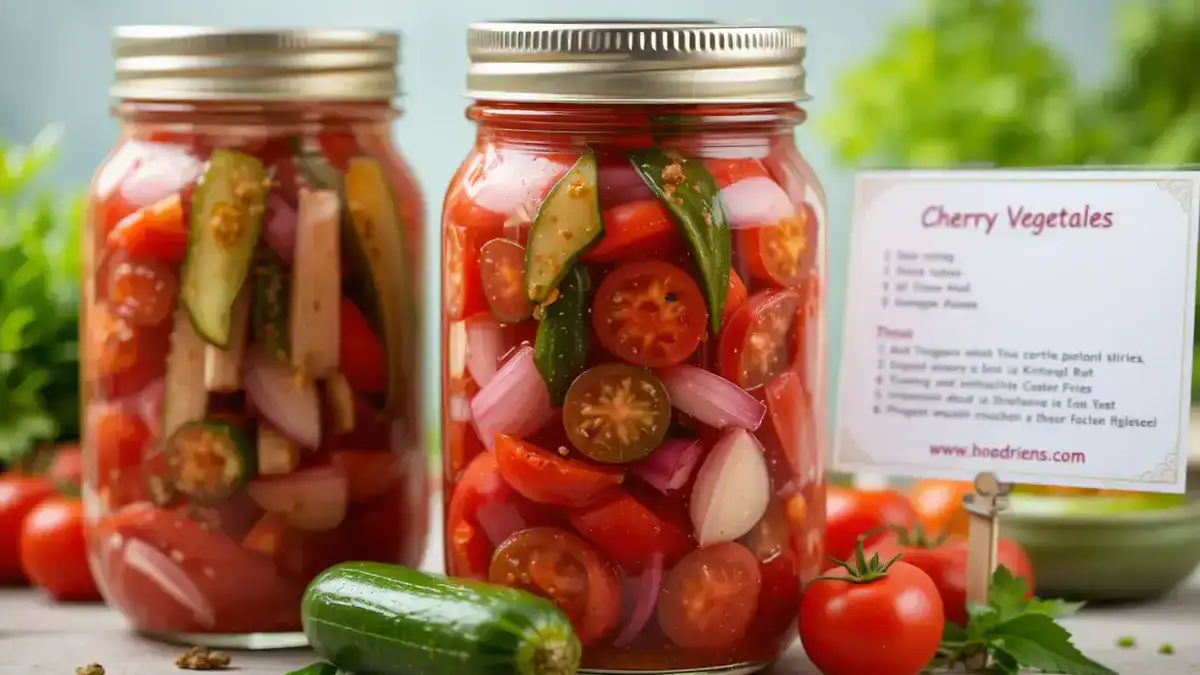
Vegetable Medley: Usecherry tomatoes, okra, green beans, or zucchini spears.
Discover free daily recipes and kitchen inspiration — follow us on Pinterest !
Top Benefits of Pickle Brine
Beyond its delicious taste, pickle brine offers several health and culinary advantages:
Rich in Electrolytes: The combination of salt and vinegar can help restore electrolytes, particularly after physical activity.
Digestive Support: Vinegar may promote healthy digestion and gut balance.
Low in Calories: The brine itself is very low in calories, making it a smart addition to a balanced diet.
Preservation Power: Extends the shelf life of fresh produce, reducing food waste.
Why Pickle Brine May Support Weight Loss
While not a miracle solution, pickle brine can be a helpful tool in a weight-conscious diet:
Low-Calorie Flavor Boost: Adds bold taste to meals without extra fat or sugar.
Appetite Control: The sour and salty profile may help curb cravings.
Hydration Aid: Helps maintain fluid balance, which is essential duringweight loss.
Note: Due to its sodium content, consume in moderation if on a low-sodium diet.
Storage and Reheating Tips
Even though this is a refrigerator pickle brine, proper storage ensures safety and flavor:
Storage: Keep the jar sealed in the refrigerator for up to 2 months.
Reheating:Do not reheat pickles. They are meant to be eaten cold. However, leftover brine can be gently warmed (not boiled) if reusing for a second batch.
Freezing: Not recommended, as freezing alters texture and flavor.
Always use clean, sterilized jars to prevent contamination.
Tips and Additional Ideas
Sterilize Jars: Wash jars and lids in hot, soapy water or run them through a dishwasher before use.
Keep Veggies Crisp: Add a grape leaf or ½ tsp calcium chloride (Pickle Crisp®) to maintain crunch.
Use Organic Produce: Especially for cucumbers, to avoid wax coatings that prevent brine absorption.
Label Your Jars: Include the date to track freshness.
Nutrition Facts (Per ¼ Cup Brine)
Calories
25 kcal
Total Fat
0 g
Saturated Fat
0 g
Trans Fat
0 g
Unsaturated Fat
0 g
Cholesterol
0 mg
Sodium
780 mg
Total Carbohydrates
6 g
Dietary Fiber
0 g
Sugars
5 g
Protein
0 g
Note: Nutrition varies slightly based on produce used. Values are estimates.
Frequently Asked Questions (FAQs)
What is pickle brine made of?
Pickle brine is usually made from a blend of water, vinegar, salt, and sugar. Spices and herbs like dill, garlic, and mustard seeds are often added for flavor.
How do you make pickle brine in the UK?
The process is identical—just ensure you use non-iodized salt (like kosher or pickling salt) and distilled white vinegar, which are widely available.
What is the 3-2-1 rule for pickles?
A popular ratio: 3 parts vinegar, 2 parts water, 1 part sugar. This pickle brine uses a similar balance for consistent results.
Is pickle brine the same as pickle juice?
es. “Pickle juice” is a common nickname for pickle brine—the liquid in which pickles are preserved.
Can you reuse pickle brine?
Yes, but only once. Reused brine loses potency and may harbor bacteria if not handled properly. Never reuse cloudy or foul-smelling brine.
How to make pickle brine?
Combine water, vinegar, sugar, and salt; heat until dissolved; cool slightly; pour over vegetables; refrigerate for 2+ days.
What is pickle brine?
It’s a preserving liquid made of vinegar, salt, sugar, and water that transforms fresh produce into tangy, shelf-stable pickles.
Can I reuse pickle brine?
Yes, for one additional batch of quick pickles—never for canning. Always inspect for cloudiness or odor first.
How to make a pickle brine?
Follow the simple 4-ingredient recipe above. Customize with herbs and spices to create your own homemade pickles.
Hungry for more? Follow us on Facebook for fresh, free recipes every single day!
For more free daily recipes, follow us on our Facebook page !
Health Disclaimer
This pickle brine recipe is intended for culinary use and general wellness. It should not be used as a replacement for professional medical advice, diagnosis, or treatment. The information provided does not constitute a medical prescription. Always consult your physician or a qualified healthcare provider for any health-related concerns, especially if you have conditions such as hypertension, kidney disease, or are on a restricted sodium diet. This content is for informational purposes only and should not be relied upon as a sole source of health guidance.