ANNONCE
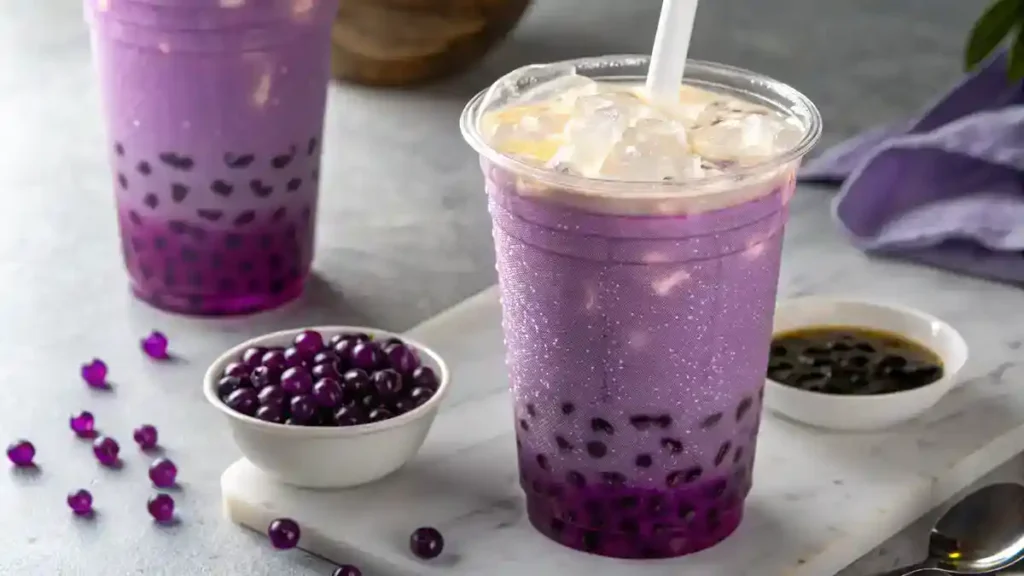
There’s something magical about the first sip of taro milk tea. I still remember trying taro milk tea for the first time at a cozy little tea shop on a bustling street in New York. The pastel purple color immediately caught my eye, but it was the velvety texture and nutty-sweet flavor that made it unforgettable.
ANNONCE
Since that day, I’ve been recreating this drink at home, and it has become one of my favorite recipes to share with friends and family.
Why will you like this recipe?
Easy to make and full of flavor, this taro milk tea is a versatile treat you’ll want to enjoy again and again. It’s budget-friendly compared to store-bought bubble tea and can easily be customized with different teas, sweeteners, and milk alternatives.
ANNONCE


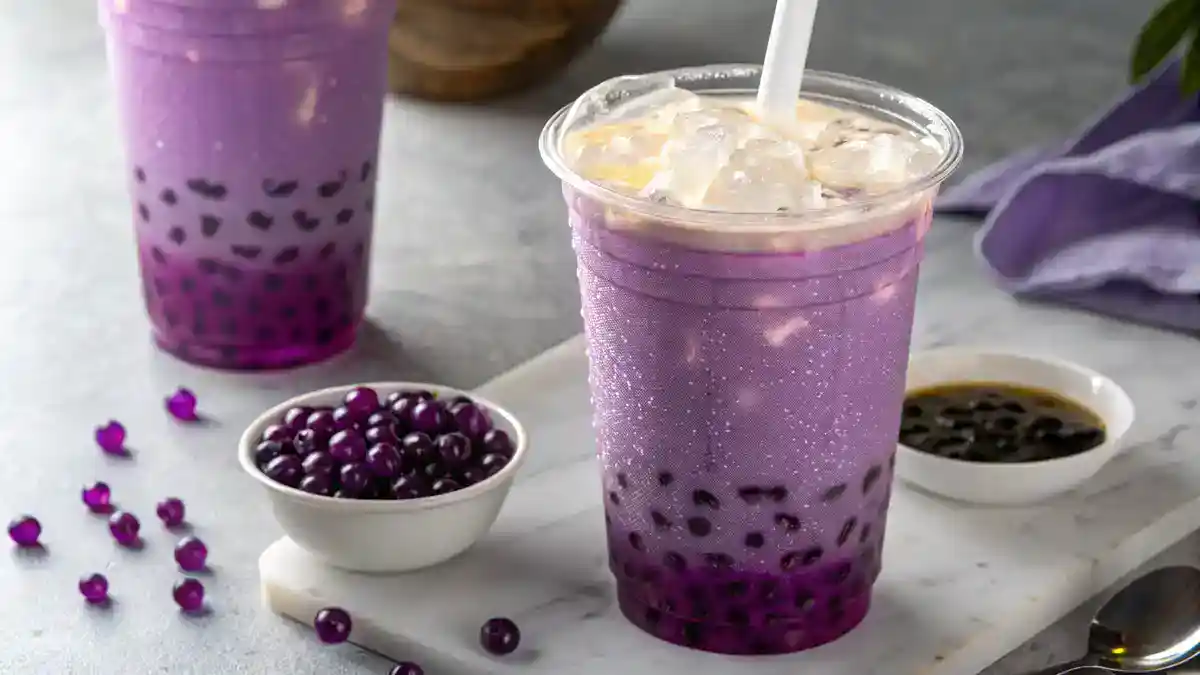
Taro Milk Tea
Equipment
- Tall glass
- Wide Straw
- Whisk or Frothing Wand
- Saucepan
Ingredients
Main Ingredients
- 2 tbsp taro milk tea powder lavender-colored, nutty-sweet flavor
- 1/4 cup strongly brewed tea black, green, or jasmine tea
- 1 cup milk dairy, oat, soy, or almond
- 1 tsp simple syrup optional, adjust sweetness to taste
- 1/3 cup boba pearls cooked according to package instructions
Instructions
- Cook the boba pearls according to package instructions, rinse under cold water, and set aside to cool.
- Brew a strong tea base (black, green, or jasmine). Allow it to cool before using.
- In a cup, whisk taro milk tea powder with milk until smooth. Use a frothing wand, whisk, or shake in a sealed jar.
- Add cooled boba pearls to a tall glass with ice. Pour in the brewed tea, then add the taro milk mixture. Stir gently and sweeten if desired.
Notes
Servings and Timing
- Prep Time: 10 minutes
- Cook Time: 10 minutes
- Total Time: 20 minutes
- Servings: 1 serving
- Calories: Approx. 280 calories per serving (see nutrition facts below)
Ingredients for Taro Milk Tea
To prepare a flavorful taro milk tea, you’ll need:
- 2 tablespoons taro milk tea powder – provides the classic lavender color and nutty flavor.
- ¼ cup strongly brewed tea – jasmine, black, or green tea are excellent choices.
- 1 cup milk – use dairy, oat, or soy depending on preference.
- 1 teaspoon simple syrup (optional) – adjust sweetness as some powders already contain sugar.
- ⅓ cup boba pearls – chewy tapioca pearls for that classic bubble tea texture.
Modification Tip: You can make this recipe vegan-friendly by using almond or oat milk and ensuring your taro powder is dairy-free.
Related Posts:




Tips for Success
For the best results, I usually brew the tea hot and let it cool before mixing it into this iced taro milk tea. Alternatively, you can try cold brewing your tea, which is perfect if you want to prepare a larger batch in advance.
When serving bubble tea, always use a wide straw to allow the boba pearls to pass through easily—standard straws are typically too narrow.
You can also prepare the tea and taro milk ahead of time and store them in airtight containers in the refrigerator for up to three days. This makes assembling your drink quick and convenient whenever you want a refreshing treat.
Preparation Method: How to Make Taro Milk Tea
Step One: Prepare the Boba
Cook boba pearls according to the package instructions, then rinse under cold water and let them cool.
Step Two: Brew the Tea
Make a strong tea base (black, green, or jasmine). Brewing it strong ensures the flavor doesn’t get lost when mixed with milk. Allow it to cool before using.
Step Three: Mix the Taro Milk
In a large cup or mug, whisk the taro milk tea powder with milk until smooth. A frothing wand works best, but you can also whisk by hand or shake in a sealed jar.
Step Four: Assemble the Drink
Add the cooled boba pearls to a tall glass, followed by ice. Fill the cup with tea, then finish with the taro-infused milk.
. Stir gently and taste before adding sweetener.
Enhancement Tip: For a creamier texture, add a splash of heavy cream or condensed milk.
Variations and Customizations
- Iced vs. Hot: Enjoy it cold with ice or warm during cooler months.
- Healthier Twist: Use unsweetened taro powder and natural sweeteners like honey or stevia.
- Flavored Additions: Add a hint of vanilla or coconut milk for extra depth.
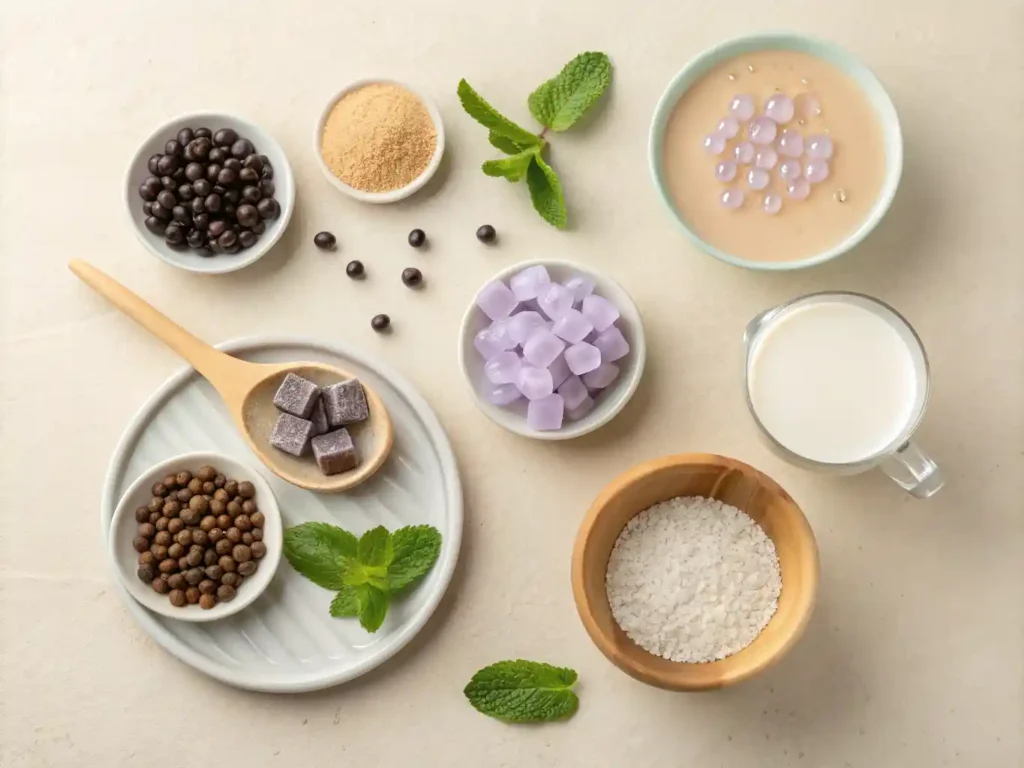
- Extra Toppings: Try adding grass jelly, aloe vera cubes, or pudding instead of tapioca pearls.
Discover free daily recipes and kitchen inspiration follow us on Pinterest!
Why Taro Milk Tea May Support Weight Loss
While taro milk tea calories can vary based on sweeteners and milk choice, preparing it at home allows you to reduce sugar and control portion size. Using unsweetened milk alternatives and skipping heavy cream may help support a balanced diet.
Where Does Taro Milk Tea Come From?
Taro has been a dietary staple throughout Asia and the Pacific Islands for centuries, but its use in milk tea is a relatively recent innovation. The popularity of taro milk tea is closely linked to the global rise of bubble tea, which first emerged in Taiwan during the 1980s. As boba shops expanded internationally, they introduced inventive flavors that combined traditional Asian ingredients with contemporary beverage trends.
Taro milk tea quickly became a standout favorite. By transforming an earthy, familiar root into a sweet, creamy, and visually striking drink, tea makers created a modern classic that celebrates cultural fusion. Today, this vibrant purple beverage is a must-have on nearly every boba menu, from Taipei to Nashville, delighting fans around the world.
Top Benefits of Taro Milk Tea
- Rich in fiber: Taro root contains resistant starch and fiber, supporting digestion.
- Unique flavor profile: Provides a nutty, vanilla-like sweetness different from other teas.
- Customizable nutrition: Can be high in protein when paired with soy or oat milk.
Storage and Reheating Tips
- Storage: Store prepared taro milk (without boba) in an airtight container in the fridge for up to 3 days.
- Reheating: Warm gently on the stovetop with a splash of milk if you prefer it hot. Avoid microwaving boba pearls, as they tend to harden.
Tips and Additional Ideas
- Serve with a wide straw so the boba pearls fit through easily.
- Cold brew your tea for a smoother taste.
- For extra creaminess, blend the taro powder with milk in a blender.
Nutrition Facts (Approximate per serving)
- Calories: 280
- Protein: 4g
- Fat: 5g
- Saturated Fat: 3g
- Unsaturated Fat: 2g
- Carbohydrates: 56g
- Sugar: 22g
- Fiber: 2g
- Cholesterol: 10mg
- Sodium: 80mg
- Trans Fat: 0g
Frequently Asked Questions (FAQs)
What exactly is taro milk tea?
Made with taro root or taro powder, milk, brewed tea, and sweetener, taro milk tea is often enjoyed with boba pearls for added texture. Many people then wonder—what is the unique flavor of taro?
What is the flavor of taro?
The taro milk tea taste is slightly nutty, creamy, and subtly sweet, often compared to a blend of vanilla and sweet potato.
Are taro milk teas healthy?
They can be, depending on preparation. Using less sugar and low-fat milk makes it a lighter choice, while commercial versions may be higher in calories.
What is taro made of?
Taro is a starchy root vegetable widely grown in Southeast Asia, often used in both savory and sweet dishes.
Hungry for more? Follow us on Facebook for fresh, free recipes every single day!
Why Is It Purple?
That striking, Instagram-worthy purple color is completely natural! The vibrant hue comes straight from the taro root itself. While the flesh of taro can range from white to pale lavender, it often turns a beautiful shade of purple when cooked. This natural transformation gives taro milk tea its signature look—no artificial coloring needed. The root has a mild, slightly sweet flavor, similar to a potato, which creates a gentle, earthy base that blends perfectly with creamy milk and tea.
Taro milk tea quickly became a fan favorite, embodying the creative fusion of flavors that makes bubble tea so exciting. By taking a humble, earthy root and transforming it into a sweet, creamy, and visually stunning drink, tea makers crafted a modern classic. Today, it’s a must-have on nearly every boba menu, from Taipei to Nashville, captivating tea lovers everywhere.
Health Disclaimer
This recipe is provided for informational purposes only. Please note: This recipe is not a medical prescription and should not replace advice from a qualified healthcare provider. Always consult with a qualified healthcare provider before making dietary changes, especially if you have specific health conditions.