ANNONCE
Furikake Recipe first captured my heart during a trip to Kyoto, where my friend’s grandmother generously sprinkled it over a simple bowl of steamed rice. The combination of nutty sesame seeds, umami-rich dried fish flakes, and the delicate crunch created a flavor explosion that completely transformed the humble dish.
ANNONCE
That moment ignited my passion for Japanese cuisine, and since then, Furikake Recipe has remained a versatile staple in my kitchen, enhancing everything from rice bowls to popcorn and even avocado toast.

Why Will You Like This Furikake Recipe?
This furikake recipe is quick to prepare, versatile, and deeply satisfying. It adds crunch, flavor, and nutrients to any dish transforming plain rice or noodles into a vibrant, flavorful meal.
ANNONCE


Recipe Information
- Preparation Time: 5 minutes
- Cooking Time: 10 minutes
- Total Time: 15 minutes
- Yield: About 1 cup
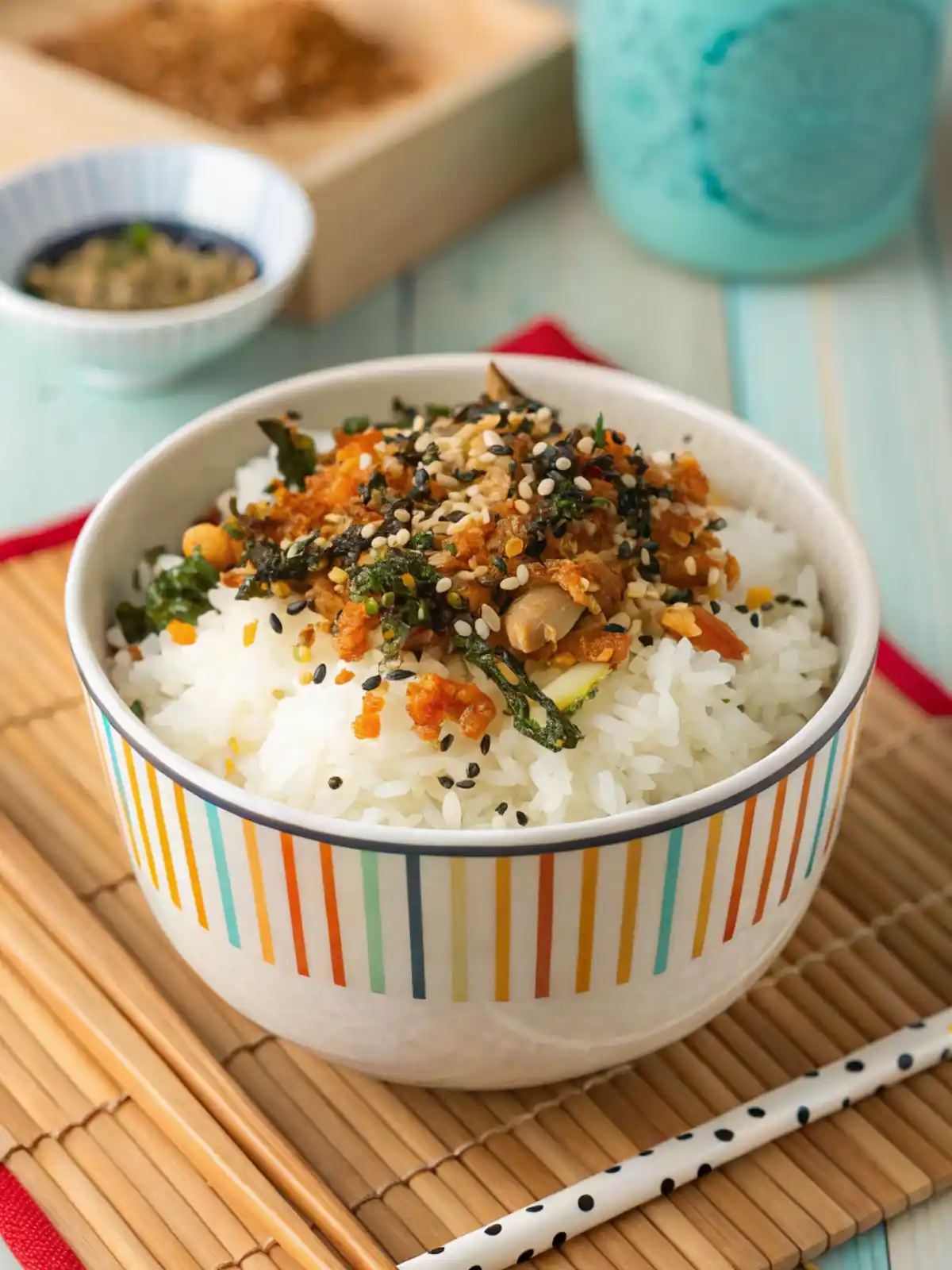
Homemade Furikake Seasoning
Equipment
- Frying Pan
- Parchment Paper
- Airtight Jar
Ingredients
Base Ingredients
- 1/3 oz katsuobushi (dried bonito flakes) for smoky umami depth; omit for vegan version
- 1/2 oz kombu (optional) cut into thin strips
- 1 Tbsp aonori (dried green seaweed)
- 3 Tbsp toasted white sesame seeds adds crunch and calcium
- 1 Tbsp toasted black sesame seeds adds nuttiness and complexity
- 1 tsp sugar adjust to taste
- 1/2 tsp kosher salt adjust to taste
- 1 tsp soy sauce adds savory depth
- 1 tsp mirin substitute (honey or rice syrup) adds mild sweetness
- 1/2 tsp toasted sesame oil for aroma and richness
- 1/2 sheet nori (dried seaweed) cut into small pieces
Instructions
- Cut kombu into thin strips and chop nori into small squares. Prepare all ingredients.
- In a dry frying pan, combine bonito flakes, aonori, and kombu. Add soy sauce, sugar, mirin substitute, salt, and sesame oil. Cook on medium-low heat until dry and fragrant.
- Reduce heat, stir in white and black sesame seeds, and toast until aromatic.
- Spread mixture on parchment paper to cool. Once cooled, mix in nori pieces. Store in an airtight jar.
Notes
Ingredients for Furikake Recipe
- ◉ 1/3 oz (10 g) katsuobushi (dried bonito flakes): Brings a smoky umami depth; can be skipped for a vegan version.
- ◉ 1/2 oz (15 g) kombu (optional): Provides a subtle ocean-like flavor; can be repurposed from dashi-making.
- ◉ 1 Tbsp aonori (dried green seaweed): Adds fresh, earthy notes and color.
- ◉ 3 tablespoons toasted white sesame seeds : add a nutty crunch while providing a natural source of calcium
- ◉ 1 Tbsp toasted black sesame seeds: Enhances flavor complexity with a slightly stronger nuttiness.
- ◉ 1 tsp sugar (adjust to taste): Balances the savory flavors.
- ◉ ½ teaspoon kosher salt :enhances overall flavor; adjust to taste.
- ◉ 1 teaspoon soy sauce : adds savory depth and umami without overpowering the blend.
- ◉ 1 tsp mirin substitute (such as honey or rice syrup): Adds a mild sweetness without alcohol.
- ◉ 1/2 tsp toasted sesame oil: For aroma and richness.
- ◉ 1/2 sheet nori (dried seaweed): Cut into small pieces for extra flavor and texture.
Do you want me to also create a few extra variation tips (like vegan, spicy, or low-sodium furikake) so your recipe looks more complete and engaging?
Preparation Method
Step One: Prepare Ingredients
Cut kombu into thin strips and chop nori into small squares. If using reserved katsuobushi, make sure it is well-drained before cooking.
Related Posts:


Step Two: Cook Seasonings
In a frying pan (without oil), combine bonito flakes, aonori, and kombu. Add soy sauce, sugar, mirin substitute, salt, and sesame oil. Cook on medium-low heat until ingredients dry out and become fragrant.
Step Three: Add Sesame Seeds
Lower the heat, stir in the white and black sesame seeds, and toast until aromatic.
Step Four: Cool and Mix
Spread the mixture on parchment paper to cool completely. Once cooled, add the nori pieces and stir well. Store in an airtight container.
Tip: To make furikake fries, sprinkle fresh furikake generously over hot fries straight from the oven.
What is Furikake Recipe?
Furikake Recipe is a traditional Japanese seasoning blend, usually made with toasted sesame seeds, nori (seaweed), salt, and a touch of sugar. It varies from region to region and can also include anything from bonito flakes, to chili flakes to miso powder to shitake powder to poppy seeds. Some versions even include dried shiso leaves (another thing to do with your shiso leaves next summer).

Why You’ll Love This Japanese Seasoning
- Versatile and Delicious: This seasoning instantly enhances a wide variety of dishes, from rice and noodles to eggs, vegetables, and snacks. Its bold umami flavor makes every bite more exciting.
- Simple to Make: Creating this blend at home is easy—just toast sesame seeds, mix with crushed nori, and combine with salt and sugar. Optional add-ins can elevate the flavor even further.
- Long-Lasting: Stored in an airtight jar, this seasoning can last up to six months, giving you plenty of time to enjoy it before it runs out.
- Perfect Gift Idea: Packaged in a cute jar with a ribbon, this homemade seasoning makes a thoughtful and unique gift for friends and family, ideal for dinner parties or special occasions.
Variations and Customizations
- Vegan Option: Omit the bonito flakes and substitute with dried shiitake mushroom powder for a rich, earthy flavor.
- Spicy Twist: Mix in shichimi togarashi or red chili flakes.
- Fusion Style: Sprinkle on pasta, salads, or even roasted vegetables.
Discover free daily recipes and kitchen inspiration—follow us on Pinterest for more ideas!
Why Furikake May Support Weight Loss
Furikake Recipe contains seaweed, which is rich in iodine and fiber that may promote satiety and support metabolism. Its strong umami flavor also helps enhance plain foods without the need for excess oils or sauces.
Top Benefits of Furikake
- Rich source of minerals such as calcium and iron.
- Provides iodine from seaweed, supporting thyroid health.
- Adds flavor with minimal calories, making meals healthier.
- Storage and Reheating
Storage and Reheating
- Storage: Store homemade Furikake Recipe in an airtight jar. It lasts up to 2 weeks in the refrigerator or up to 1 month in the freezer.
- Room Temperature Storage: Add a food-safe silica gel packet to keep it fresh for 1–2 months.
- Reheating Tip: While Furikake Recipe doesn’t need reheating, sprinkle it on freshly warmed rice, noodles, or furikake fries for the best flavor.
Tips and Additional Ideas
- Use freshly toasted sesame seeds for maximum flavor.
- Create a furikake substitute with crushed seaweed snacks, sesame seeds, and a pinch of salt.
- Try furikake nearby from Japanese stores or order Furikake Recipe Amazon varieties for quick access.

Creative Ways to Enjoy Furikake Seasoning
Furikake Recipe is a versatile Japanese condiment that adds flavor, crunch, and umami to a wide range of dishes. Here are some creative ways to incorporate it into your meals:
- Sprinkle it generously over steamed white rice or onigiri (rice balls).
- Sprinkle it over poke salads or poke bowls to add crunch and umami flavor.
- Season soft-boiled eggs, sunny-side-up eggs, or scrambled eggs.
- Elevate your tofu dishes by sprinkling this seasoning on top for extra flavor and texture.
- Mix it into noodles, udon, or ramen for added texture and taste.
- Sprinkle over miso soup for an umami boost.
- Top miso-glazed salmon or roasted shrimp with Furikake Recipe .
- Add a crunchy finish to sushi rolls or hand rolls by garnishing them with this flavorful seasoning.
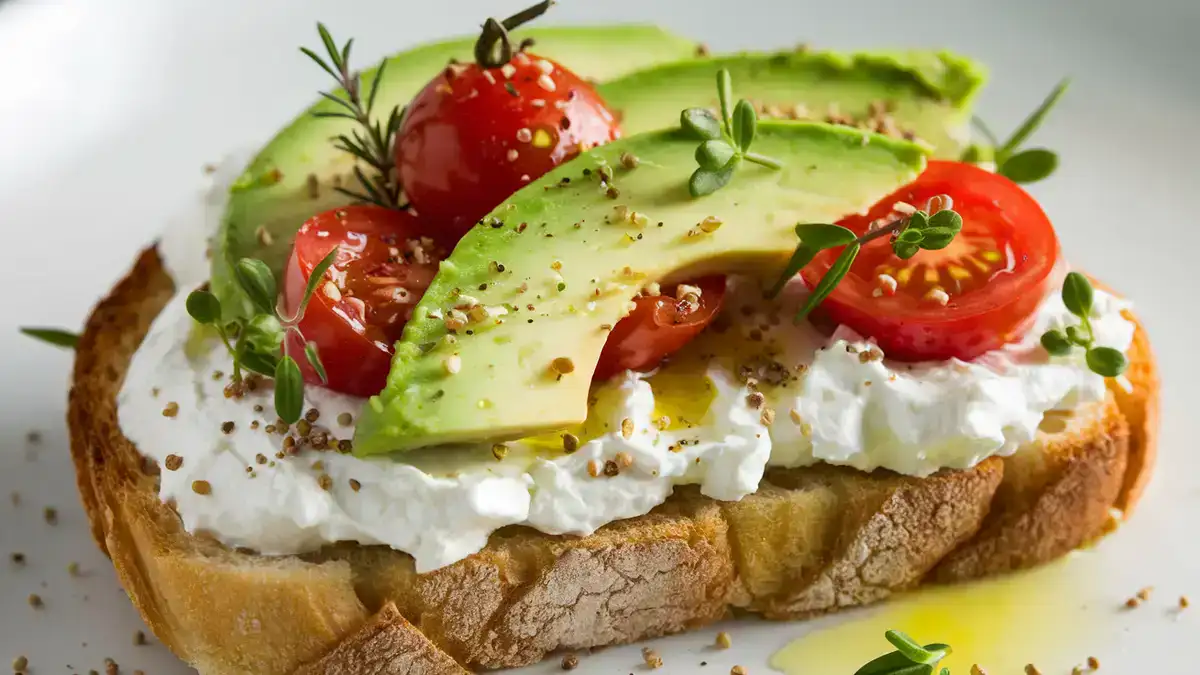
- Sprinkle on avocado toast for a Japanese twist.
- Add a dash to bagels with cream cheese and smoked salmon for a flavorful combination.
- Season homemade popcorn for a unique snack.
- Sprinkle over canned or tinned fish, such as sardines, to enhance flavor.
Nutrition Facts (per serving)
- Calories: 270 kcal
- Protein: 14 g
- Fat: 18 g
- Saturated Fat: 3 g
- Unsaturated Fat: 15 g
- Carbohydrates: 13 g
- Sugars: 6 g
- Fiber: 4 g
- Sodium: 922 mg
- Cholesterol: 0 mg
- Iron: 5 mg
- Calcium: 320 mg
- Potassium: 190 mg
What Types of Furikake Are Available?
Over the years, furikake has transformed from a simple homemade seasoning into a versatile condiment loved worldwide. Back in the 1960s, when I was growing up in Japan, families often made their own blends by hand, grinding sesame seeds, fish flakes, and seaweed with a mortar and pestle. Today, thanks to freeze-drying and advanced preservation methods, furikake has become a convenient pantry staple that you can easily find in any Japanese grocery store or order online.
Classic varieties such as gomashio (sesame and salt), shiso (perilla leaf), and katsuobushi (bonito flakes) are still widely enjoyed. However, the modern market offers an incredible range of flavors, including blends with dehydrated egg, wasabi, nori, sardines, cod roe, umeboshi (pickled plum), yuzu, curry powder, and even meat-based options.
These innovations not only expand the flavor profile but also make store-bought Furikake Recipe lighter, crispier, and longer-lasting than traditional homemade versions. Whether you’re craving something nostalgic or adventurous, there’s a furikake variety to match your taste.
The History of Furikake
The roots of furikake trace back as far as the 12th century, when early records describe a salty powdered seasoning made from dried sea bream, salmon, and even shark. These simple blends were created not only to preserve fish but also to add flavor to plain rice, a staple of the Japanese diet.
The version of Furikake Recipe we recognize today, however, emerged in the early 20th century. A Japanese pharmacist named Suekichi Yoshimaru developed a mixture of ground fish bones, sesame seeds, and poppy seeds as a way to address widespread calcium and nutrient deficiencies in the population. Marketed as both a health supplement and a flavorful rice topping, this innovation quickly grew in popularity.
From its humble beginnings as a nutritional aid, Furikake Recipe has since evolved into a beloved condiment, celebrated for its ability to transform the simplest dishes into something rich, flavorful, and satisfying.
Frequently Asked Questions (FAQs)
What is Furikake Recipe made of?
It typically contains sesame seeds, seaweed, dried fish flakes, salt, and sugar.
Is furikake halal?
Traditional Furikake Recipe may include bonito flakes (fish), but many halal-certified or vegan substitutes are available.
Is Furikake Recipe healthy?
Yes, it is nutrient-rich, containing calcium, iodine, and iron, though some commercial types may have added MSG or excess salt.
Is Furikake Recipe fishy tasting?
It has a mild umami flavor, but it’s not overwhelmingly fishy. Vegan versions taste more earthy and nutty.
Hungry for more? Follow us on Facebook for fresh, free recipes every single day
Health Disclaimer
This recipe is intended for culinary purposes only and does not replace professional medical advice. Always consult with a healthcare provider before making dietary changes.