ANNONCE
Mastering Sourdough Bread
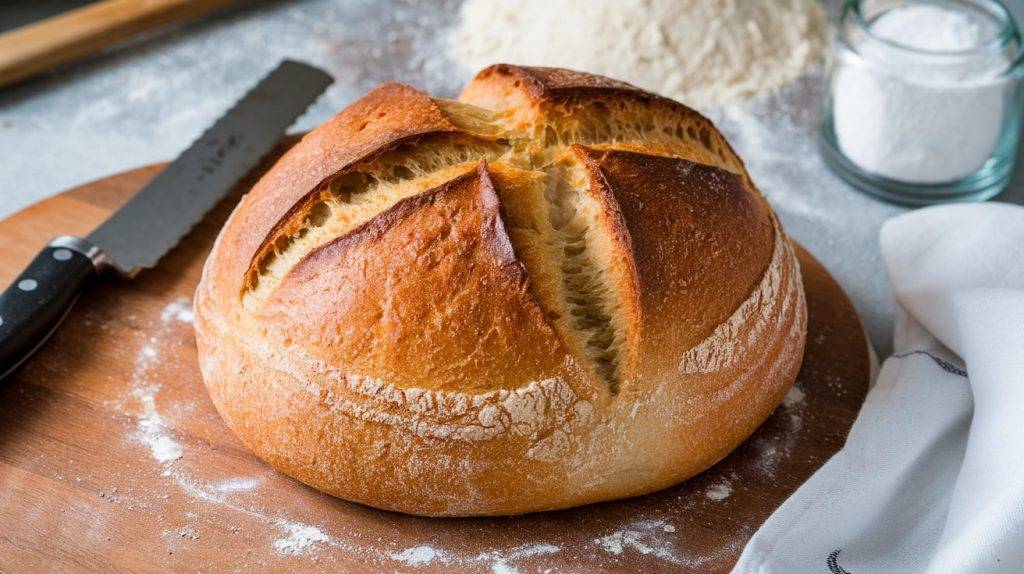
Mastering sourdough bread is a rewarding journey that’s sure to elevate your baking skills in 2024. Known for its tangy flavor and chewy texture, sourdough bread remains a timeless favorite. Whether you’re aiming to create a classic loaf, a gluten-free version, or even a sourdough rye bread, this guide will walk you through the process with ease. Dive into the art of mastering sourdough and discover the secrets to perfecting this beloved classic, making it a staple in your kitchen for the new year.
ANNONCE
Table of Contents
What Makes Sourdough Bread Special?
Sourdough stands out because it uses a natural fermentation method. Instead of commercial yeast, it relies on a sourdough starter. This starter, a blend of flour and water, captures natural yeast and bacteria from the environment. It not only helps the bread rise but also gives it a unique taste.
Essential Tools and Ingredients
Before you start, gather these key items:
ANNONCE


- Sourdough Bread Starter Kit: Perfect for beginners, these kits include everything you need to create a starter.
- Flour: Choose from all-purpose, whole wheat, or rye flour. For sourdough rye bread, rye flour is essential.
- Water: Use filtered or bottled water to avoid chlorine.
- Salt: Enhances flavor and improves dough texture.
- Mixing Bowl and Spoon: Necessary for combining ingredients.
- Proofing Basket: Helps shape the dough during rising.
- Dutch Oven or Baking Stone: Creates the ideal baking environment by retaining heat and moisture.
Creating Your Sourdough Starter
A sourdough starter is the key to great sourdough . Here’s how to make one:
- Day 1: Combine 100g of flour with 100g of water in a jar. Cover loosely and let it sit at room temperature.
- Day 2: Remove half of the mixture. Add another 100g of flour and 100g of water. Mix well.
- Days 3-7: Continue discarding half and feeding daily. By day 7, the starter should be bubbly and smell pleasantly tangy.
Baking Sourdough Bread
With your starter ready, you can now bake a delicious loaf of sourdough .
Related Posts:
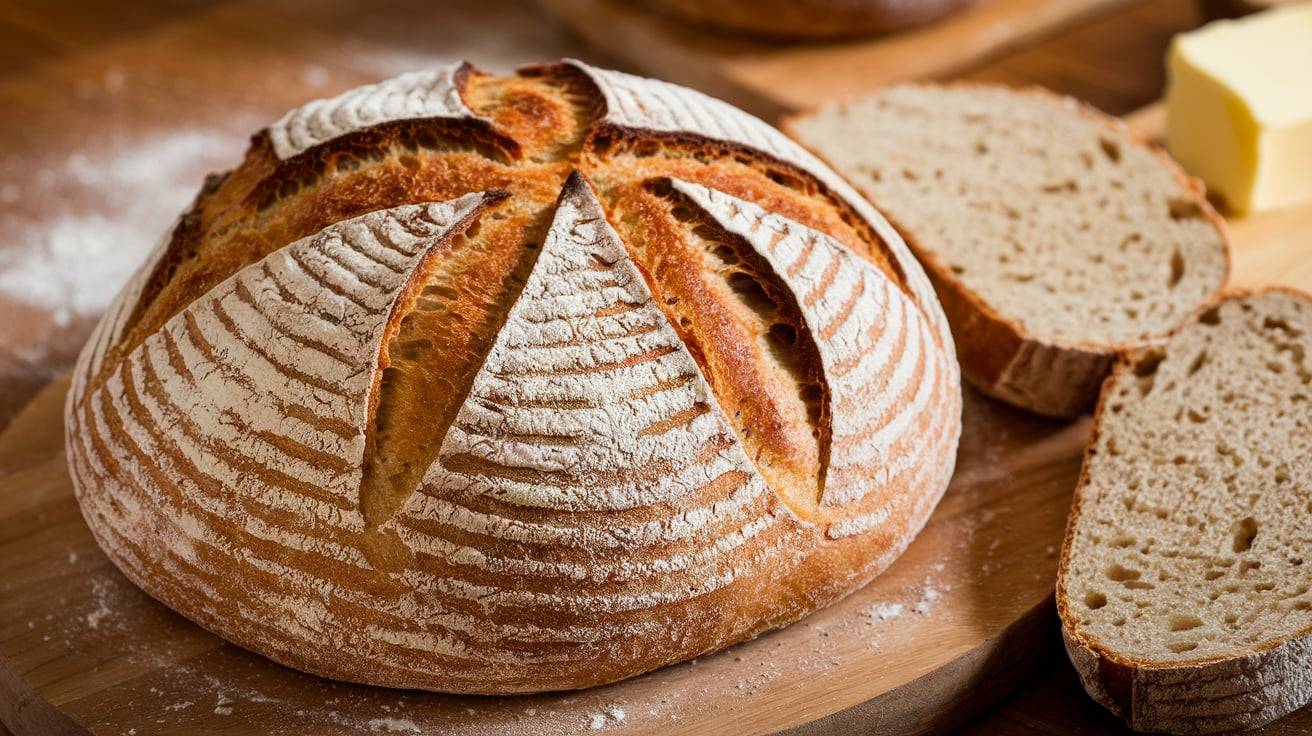


Ingredients
- 500g bread flour
- 300g water
- 100g sourdough starter
- 10g salt
Instructions
- Mix: In a large bowl, combine the flour and water. Let it rest for 30 minutes to allow the flour to hydrate.
- Add Starter and Salt: Incorporate the sourdough starter and salt, mixing until fully combined.
- Knead: Knead the dough until it becomes smooth and elastic, or use the stretch and fold method.
- First Rise: Place the dough in a greased bowl, cover, and let it rise at room temperature for 4-5 hours.
- Shape: Turn the dough onto a floured surface, shape it into a ball, and place it in a proofing basket.
- Second Rise: Allow it to rise for another 2-3 hours, or refrigerate overnight for added flavor.
- Preheat Oven: Heat your oven to 450°F (232°C) with a Dutch oven inside.
- Bake: Carefully place the dough in the Dutch oven, score the top, cover, and bake for 20 minutes. Remove the lid and bake for another 25 minutes until golden brown.
- Cool: Let the bread cool completely on a wire rack before slicing.
Exploring Sourdough Variations
Gluten-Free Sourdough Bread
For those with gluten sensitivities, gluten-free sourdough is a great alternative. Use a gluten-free flour blend and a starter made with gluten-free ingredients.
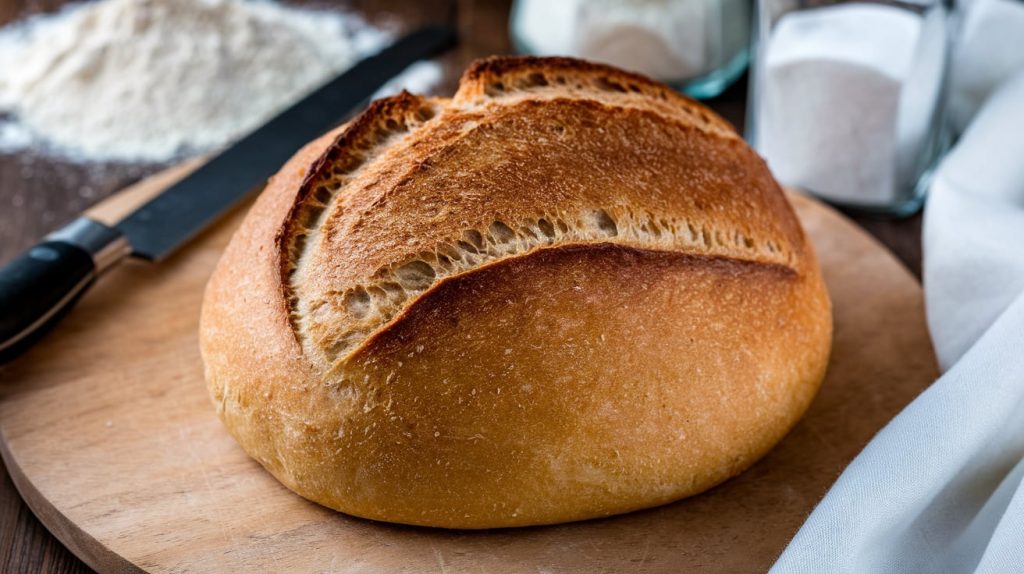
Sourdough Sandwich Bread
For a softer crust and tender crumb, try sourdough sandwich bread. Incorporate milk and butter to achieve a rich texture.
Sourdough Rye Bread
Sourdough rye bread offers a hearty, earthy flavor. Use a combination of rye and bread flour for a balanced taste.
Finding Sourdough Bread Near You
If you prefer buying instead of baking, search for “sourdough near me” to find local bakeries offering fresh loaves. Many bakeries also sell sourdough starter kits for home bakers.
Hungry for more? Follow us on Facebook for fresh, free recipes every single day!
Table: Sourdough Variations
| Bread Type | Key Ingredients | Characteristics |
|---|---|---|
| Traditional Sourdough | Bread flour, water, salt, starter | Tangy flavor, chewy texture |
| Gluten-Free Sourdough | Gluten-free flour, water, starter | Suitable for gluten-sensitive diets |
| Sourdough Sandwich Bread | Bread flour, milk, butter, starter | Soft crust, tender crumb |
| Sourdough Rye Bread | Rye flour, bread flour, starter | Hearty, earthy flavor |
Creating sourdough bread at home can be a fulfilling experience. Whether you’re a novice or an experienced baker, experimenting with different types of sourdough can enhance your baking skills and satisfy your taste buds. Enjoy the process and the delicious results!
How to Master Sourdough Bread: A Step-by-Step Guide Nutrition Information
| Nutritional Information | Per Slice |
|---|---|
| Calories | 120 |
| Total Fat | 1 g |
| Saturated Fat | 0 g |
| Cholesterol | 0 mg |
| Sodium | 200 mg |
| Total Carbohydrates | 25 g |
| Dietary Fiber | 1 g |
| Sugars | 0 g |
| Protein | 4 g |
- Crafted Flavor: Enjoy the rich, tangy taste of artisan sourdough baked at home.
- Healthy Fermentation: Naturally leavened, providing beneficial probiotics and improved digestibility.
- Baking Skill Development: A rewarding process that enhances your bread-making techniques.
“Your Comprehensive Guide to Mastering Sourdough “
Q1: What is the first step in mastering sourdough bread?
A1: The first step is to create a healthy sourdough starter. This involves mixing equal parts flour and water and allowing it to ferment at room temperature for several days, feeding it daily until it becomes bubbly and active.
Q2: How can I tell when my sourdough starter is ready to use?
A2: Your sourdough starter is ready when it has doubled in size within 4-6 hours of feeding, has a pleasant, slightly tangy aroma, and produces bubbles throughout. A simple test is to drop a spoonful of the starter in water; if it floats, it’s ready to use.
Q3: What types of flour are best for sourdough ?
A3: Bread flour is ideal for sourdough due to its higher protein content, which helps develop gluten. You can also use whole wheat flour or a mix of all-purpose flour for added flavor and nutrition, but ensure you maintain a good balance for structure.
Q4: How long does the fermentation process take for sourdough ?
A4: The fermentation process can vary, but typically, the bulk fermentation takes about 4-6 hours at room temperature. After shaping, the final proof can take another 1-3 hours, or you can refrigerate it overnight for a slower fermentation that enhances flavor.
Q5: What is the best way to shape?
A5: To shape sourdough , gently turn the dough onto a floured surface, stretch it into a rectangle, and then fold it over itself. Use your hands to create tension by pulling the dough towards you, forming a tight ball or oval shape, depending on your baking vessel.
Q6: How can I achieve a crispy crust on my sourdough ?
A6: To achieve a crispy crust, bake your sourdough in a preheated Dutch oven or on a baking stone. Adding steam during the first part of baking helps create a beautiful crust. You can do this by placing a pan of hot water in the oven or spraying water into the oven just after placing the bread inside.
Q7: What should I do if my sourdough bread doesn’t rise properly?
A7: If your sourdough doesn’t rise, it may be due to an inactive starter or insufficient fermentation time. Ensure your starter is bubbly and active before use, and consider extending the bulk fermentation time to allow the dough to develop more strength.
Q8: How should I store my sourdough after baking?
A8: To store your sourdough , let it cool completely on a wire rack. Then, wrap it in a clean kitchen towel or place it in a paper bag to maintain its crust. For longer storage, you can freeze slices in an airtight container for up to three months.
Feel free to modify any of the questions or answers as needed!