ANNONCE
Master the Art of Barbecue

Barbecue is more than just cooking—it’s a rich, time-honored tradition that unites people through a shared love of smoky, savory flavors and the joy of gathering around a fire. From backyard cookouts to large family reunions, the act of barbecuing creates lasting memories and fosters connections among friends and loved ones. Each sizzle and pop of the grill carries with it the promise of delicious meals and laughter, making barbecue an integral part of many cultures and celebrations.
ANNONCE
In this ultimate guide, you’ll embark on a culinary journey that reveals the secrets to making mouthwatering barbecue that will leave your guests raving for more. You’ll delve into the various techniques and methods that define the art of barbecuing, from low-and-slow smoking to high-heat grilling, ensuring you have the skills needed to create perfectly cooked meats, vibrant sides, and delectable sauces.
Table of Contents
What is Barbecue?
Barbecue (or BBQ) is a method of cooking meat slowly over indirect heat with the use of smoke, giving it a unique flavor that’s hard to resist. Originating from various cultures worldwide, barbecue has grown into a culinary art form with endless possibilities. From slow-cooked ribs to perfectly smoked brisket, barbecue is all about combining heat, smoke, and time to create a delicious result.
ANNONCE


A Brief History of Barbecue
Barbecue’s origins are rich and varied, with deep roots in indigenous cooking methods that involved smoking and drying meat over open fires.As cultures intertwined and culinary techniques advanced, the art of barbecuing expanded its reach across the globe. Today, barbecue is celebrated as a beloved cooking tradition with each region adding its own unique flavors and styles.
Hungry for more? Follow us on Facebook for fresh, free recipes every single day!
Related Posts:
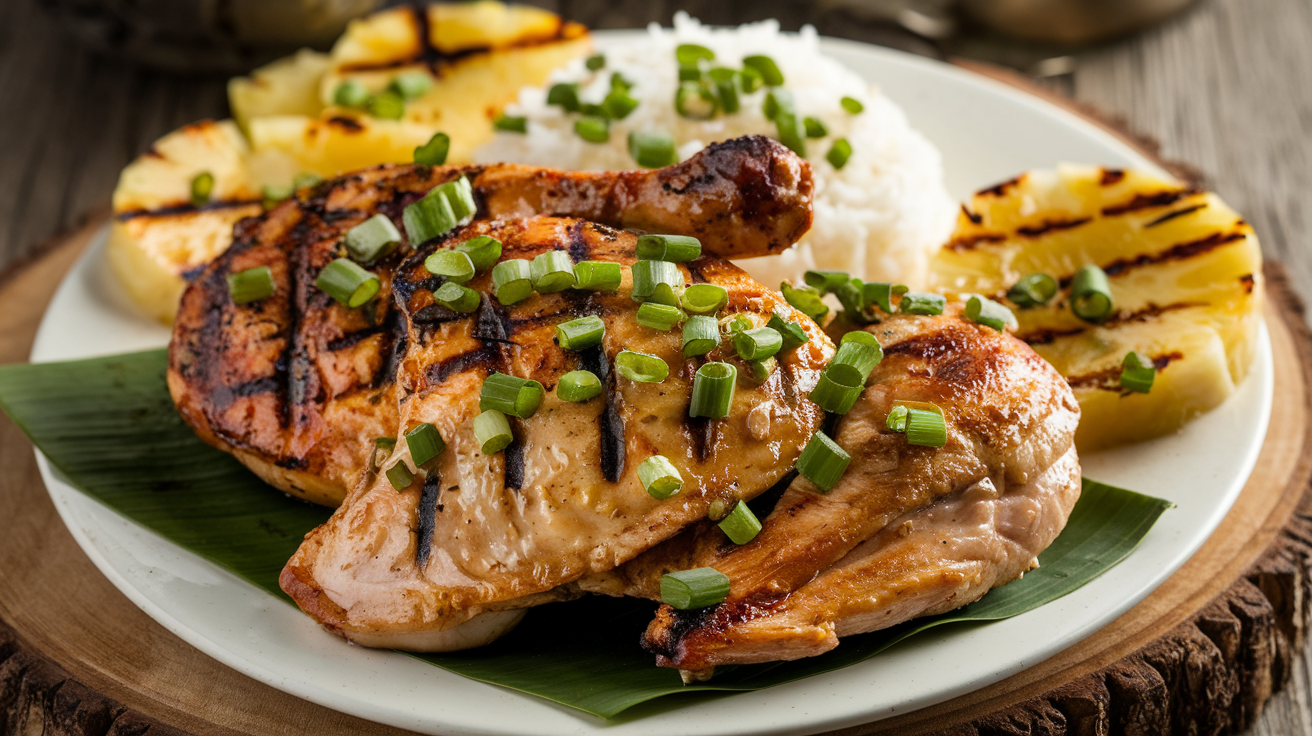


Essential Barbecue Tools and Equipment
To achieve remarkable barbecue, it is vital to have the right tools at your disposal. Here’s what you need:
- Grill or Smoker: A versatile grill or dedicated smoker (charcoal, gas, or electric) is crucial for proper heat control.
- Meat Thermometer: Ensures your meat reaches the correct internal temperature for both safety and taste.
- Tongs and Spatula: For flipping and handling meat without piercing it, which helps retain juices.
- Wood Chips: Adds the signature smoky flavor.Common choices encompass hickory, mesquite, applewood, and cherrywood.
Classic BBQ Ribs Recipe
Nothing says barbecue like a plate of tender, juicy ribs. Here’s a classic BBQ ribs recipe that’s perfect for any occasion.

Ingredients
- Pork Ribs: 2 racks
- Barbecue Sauce: 2 cups
- Dry Rub:
- Brown Sugar: 1/4 cup
- Paprika: 2 tablespoons
- Black Pepper: 1 tablespoon
- Salt: 1 tablespoon
- Garlic Powder: 1 teaspoon
- Onion Powder: 1 teaspoon
- Cayenne Pepper: 1/2 teaspoon
Instructions
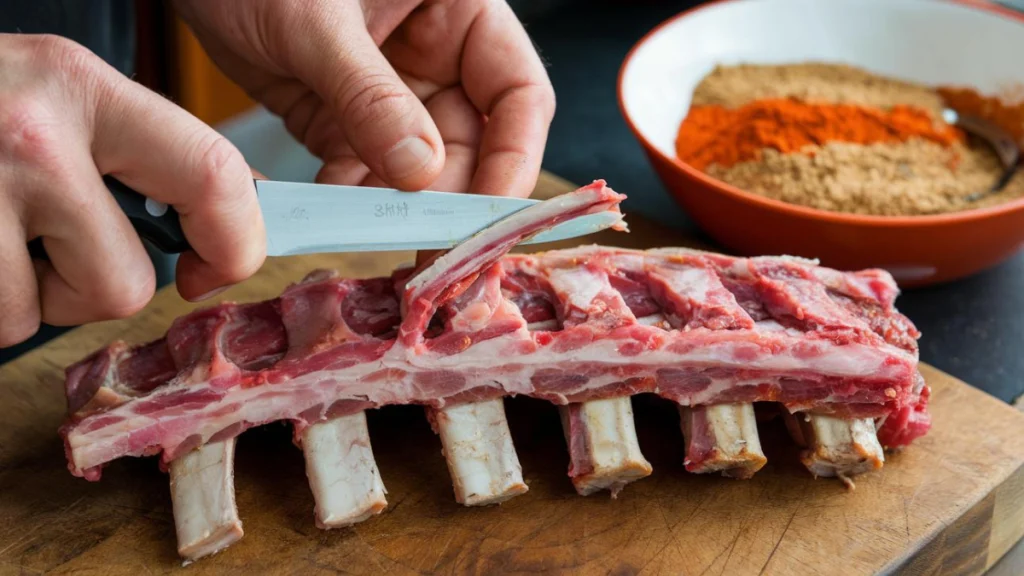
- Prepare the ribs :by removing the membrane from the back. Rinse them under cold water and then pat them dry.
- Apply the Dry Rub: Combine all the dry rub ingredients in a bowl. Coat the ribs generously with the mixture, pressing it firmly into the meat for maximum flavor.
- Preheat Your Grill or Smoker: Set to a low temperature of 225°F (107°C) for slow, even cooking.
- Smoke the ribs by placing them on the grill or smoker and cooking for 3-4 hours, ensuring a consistent temperature is maintained. Keep the lid closed as much as possible to hold in the smoke.
- Baste with Barbecue Sauce: During the last 30 minutes of cooking, brush the ribs with your favorite barbecue sauce.
- Rest and serve : the ribs by letting them sit for 10 minutes after cooking to allow the juices to redistribute. Then, slice and enjoy!
Exploring Regional Barbecue Styles
Barbecue differs throughout the United States and beyond, as each region showcases its own distinct flavors and cooking methods.
- Texas BBQ: Famous for its beef brisket, seasoned with just salt and pepper, and slow-cooked over oak or pecan wood.
- Carolina BBQ: Focuses on pork, typically with a tangy vinegar-based sauce. Eastern Carolina barbecue employs a whole hog, while the Western style prefers pork shoulder.
- Kansas City BBQ: Known for its sweet, tomato-based sauces and a variety of meats like ribs, pulled pork, and burnt ends.
- Memphis BBQ: is known for its dry-rubbed ribs, which can be served either “wet” (with sauce) or “dry” (without sauce).
Top Tips for Perfect Barbecue Every Time
- Control Your Temperature: Consistency is key in barbecue. Keep the grill or smoker at a steady temperature for even cooking.
- Let Your Meat Rest: After cooking, allow the meat to rest so the juices can redistribute, resulting in a moist and flavorful bite.
- Try Different Wood Chips: Various woods impart distinct flavors—consider blending hickory with fruitwoods such as apple or cherry for a one-of-a-kind taste.
Master Barbecue Techniques: From Basics to Expert Nutrition Information
| Nutritional Information | Per Serving |
|---|---|
| Calories | Varies by Recipe |
| Total Fat | Varies by Recipe |
| Saturated Fat | Varies by Recipe |
| Cholesterol | Varies by Recipe |
| Sodium | Varies by Recipe |
| Total Carbohydrates | Varies by Recipe |
| Dietary Fiber | Varies by Recipe |
| Sugars | Varies by Recipe |
| Protein | Varies by Recipe |
- Comprehensive Techniques: Learn everything from fire management to flavoring and cooking times.
- Variety of Recipes: Includes tips for meats, vegetables, and sauces to suit all tastes.
- Skill Development: Perfect for beginners and experienced grillers looking to enhance their skills.
Conclusion: Your Next Steps in the Barbecue Journey
Barbecue is more than a meal—it’s an experience that brings people together, weaving a tapestry of flavors, aromas, and memories. The act of cooking outdoors over an open flame fosters a sense of camaraderie and celebration, inviting friends and family to gather, share stories, and enjoy each other’s company. There’s something magical about the way the smell of smoky meats wafts through the air, creating an atmosphere of anticipation and excitement as everyone comes together to partake in the delicious feast.

Master Barbecue Techniques: Your Q&A Guide from Basics to Expert
Q1: What are the essential tools I need to start barbecuing?
A1: Essential tools for barbecuing include a good quality grill (charcoal or gas), grilling utensils (tongs, spatula, and basting brush), a meat thermometer for checking doneness, and a grill brush for cleaning. Optional tools like a smoker box or wood chips can enhance flavor.
Q2: What is the difference between direct and indirect grilling?
A2: Direct grilling involves cooking food directly over the heat source, which is ideal for quick-cooking items like burgers and steaks. Indirect grilling, on the other hand, involves placing food away from the heat source, allowing for slower cooking, perfect for larger cuts of meat like brisket or ribs.
Q3: How can I achieve the perfect sear on my meat?
A3: To achieve the perfect sear, preheat your grill to a high temperature before placing the meat on it. Avoid moving the meat too soon; let it cook undisturbed for a few minutes to develop a nice crust. Using a cast iron skillet on the grill can also help achieve a great sear.
Q4: What are some common mistakes to avoid when barbecuing?
A4: Common mistakes include not preheating the grill, overcrowding the grill surface, using the wrong cooking method for the type of meat, and not letting the meat rest after cooking. Each of these can lead to uneven cooking or dry meat.
Q5: How do I know when my meat is done cooking?
A5: The best way to know when your meat is done is to use a meat thermometer. Different types of meat have different safe internal temperatures; for example, chicken should reach 165°F (74°C), while beef can vary based on your preference (medium-rare is about 135°F or 57°C).
Q6: Can I marinate my meat, and how long should I do it?
A6: Yes, marinating your meat can enhance flavor and tenderness. For most meats, marinating for at least 30 minutes to a few hours is effective, while tougher cuts can benefit from overnight marination. Just be cautious with acidic marinades, as they can break down the meat too much if left too long.