ANNONCE
Simple Sourdough Bread Baking Tips
Sourdough bread has made a significant comeback in recent years, captivating both novice and experienced bakers with its rich flavor and unique texture. This guide will walk you through the essentials of sourdough bread, from understanding the basics to exploring a variety of delicious recipes that utilize sourdough discard. Whether you’re looking to bake your first loaf or find new ways to use your sourdough starter, this article has you covered.
ANNONCE

Table of Contents
What Is Sourdough Bread?
Sourdough bread is a type of bread made using a naturally fermented dough. Unlike traditional bread, which relies on commercial yeast, sourdough bread uses a “starter” made from flour and water. This starter captures wild yeast and beneficial bacteria from the environment, resulting in a bread that is not only delicious but also easier to digest for many people.
The natural fermentation process gives sourdough its characteristic tangy flavor and chewy texture, making it a favorite among bread enthusiasts. But sourdough is more than just bread; it’s a versatile ingredient that can be used in various recipes, including sourdough discard recipes, which help reduce waste and add new flavors to your kitchen.
ANNONCE


Getting Started: Making Your Sourdough Starter
To begin your sourdough journey, you’ll need to create a starter. This is a simple mixture of flour and water that ferments over several days. Here’s a quick overview of how to make your sourdough starter:
- Day 1: Mix 100g of flour with 100g of water in a jar. Cover loosely and let it sit at room temperature.
- Day 2: Discard half of the mixture and add another 100g of flour and 100g of water. Stir well.
- Days 3-7: Continue the process of discarding half and feeding daily. By day 7, your starter should be bubbly and ready to use.
Once your starter is active, you can use it to bake sourdough bread or explore a variety of sourdough discard recipes.
Related Posts:


Exploring Sourdough Discard Recipes
One of the best things about maintaining a sourdough starter is the opportunity to experiment with sourdough discard recipes. These recipes use the portion of the starter that is discarded during the feeding process, reducing waste and adding variety to your baking. Here are a few popular options:
- Sourdough Cinnamon Rolls: These rolls are a delightful twist on the classic cinnamon roll, with the sourdough adding a subtle tang that balances the sweetness of the cinnamon and sugar. They make for an indulgent breakfast or dessert.
- Sourdough Pancakes: Light, fluffy, and slightly tangy, sourdough pancakes are a perfect way to start your day. These pancakes are simple to make and offer a wonderful depth of flavor compared to regular pancakes.
- Sourdough Discard Pancakes: If you have some sourdough discard on hand, these pancakes are a great way to use it up. They are just as delicious as traditional sourdough pancakes but with the added benefit of reducing waste.
Hungry for more? Follow us on Facebook for fresh, free recipes every single day!
These recipes not only add variety to your baking but also showcase the versatility of sourdough.
Gluten-Free Sourdough Bread: Is It Possible?
For those with gluten sensitivities, the question often arises: Is sourdough bread gluten-free? Traditional sourdough bread is made from wheat flour, which contains gluten. However, the fermentation process in sourdough can break down some of the gluten, making it more digestible for some individuals.
For those who need to avoid gluten entirely, gluten-free sourdough bread is an excellent alternative. This bread is made using gluten-free flour blends and a gluten-free sourdough starter. While it may have a slightly different texture and flavor compared to traditional sourdough, it still offers the tangy taste and nutritional benefits of sourdough bread.
Baking Your First Loaf of Sourdough Bread
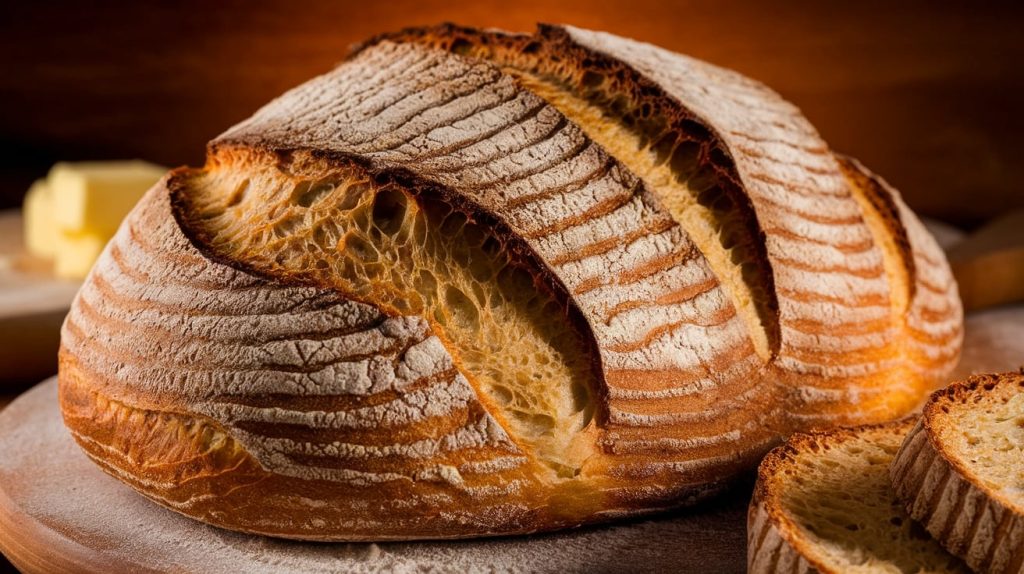
Once your sourdough starter is ready, baking your first loaf of sourdough bread is a rewarding experience. Here’s a basic recipe to get you started:
Ingredients
- 500g bread flour
- 300g water
- 100g active sourdough starter
- 10g salt
Instructions
- Mix: Combine the flour and water in a large bowl. Let it rest for 30 minutes.
- Add Starter and Salt: Incorporate the sourdough starter and salt, mixing until fully combined.
- Knead: Knead the dough until smooth and elastic, or use the stretch and fold method.
- First Rise: Place the dough in a greased bowl, cover, and let it rise at room temperature for 4-5 hours.
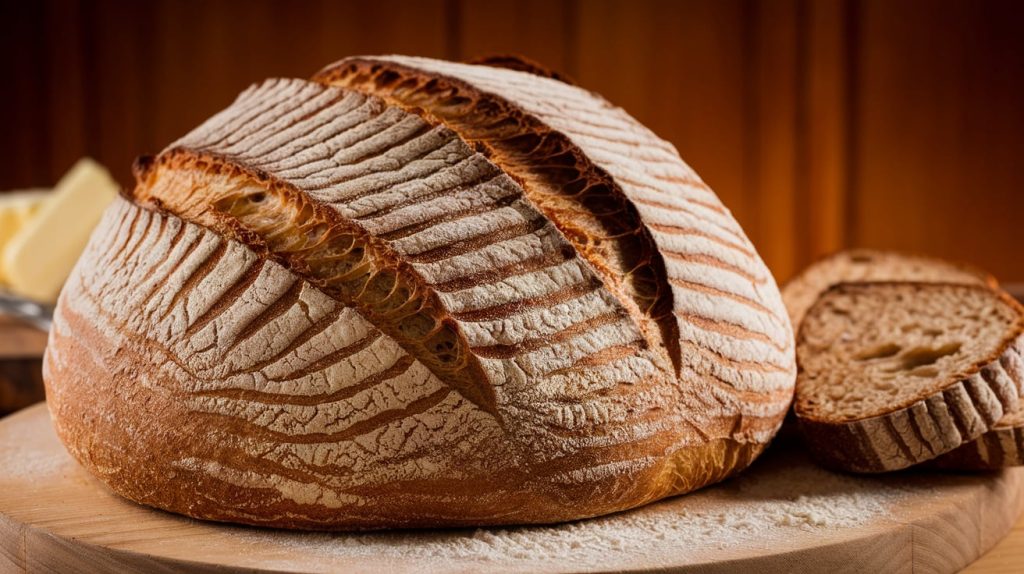
Once the dough has risen, shape it into a loaf, let it rise again, and then bake in a preheated oven until golden brown. The result is a delicious loaf with a crisp crust and chewy interior.
Exploring More Sourdough Recipes
Beyond the classic loaf, there are many ways to enjoy sourdough bread. For example, sourdough discard can be used to make crispy crackers, tangy waffles, or even sourdough cinnamon rolls. Each recipe offers a unique way to enjoy the flavors and benefits of sourdough.
Conclusion
Sourdough bread is more than just a baking project; it’s a journey into the world of natural fermentation and artisanal flavors. Whether you’re making your first loaf or experimenting with sourdough discard recipes like sourdough pancakes or sourdough cinnamon rolls, the possibilities are endless. And for those who need gluten-free options, gluten-free sourdough bread is a delicious alternative that still offers the distinctive tang of traditional sourdough. Happy baking!
Table: Popular Sourdough Recipes and Variations
| Recipe Name | Key Ingredients | Characteristics |
|---|---|---|
| Sourdough Cinnamon Rolls | Sourdough starter, cinnamon, sugar | Sweet, tangy, perfect for breakfast |
| Sourdough Pancakes | Sourdough discard, flour, eggs | Fluffy, slightly tangy, great for breakfast |
| Gluten-Free Sourdough Bread | Gluten-free flour, sourdough starter | Tangy, suitable for gluten-sensitive diets |
| Sourdough Discard Pancakes | Sourdough discard, flour, eggs | Reduces waste, deliciously tangy |
Sourdough Bread: A Beginner’s Guide to Baking & Beyond Nutrition Information
| Nutritional Information | Per Slice |
|---|---|
| Calories | 120 |
| Total Fat | 1 g |
| Saturated Fat | 0 g |
| Cholesterol | 0 mg |
| Sodium | 200 mg |
| Total Carbohydrates | 25 g |
| Dietary Fiber | 1 g |
| Sugars | 0 g |
| Protein | 4 g |
- Artisan Flavor: Homemade sourdough offers a unique tangy taste and chewy texture.
- Health Benefits: Naturally fermented, promoting gut health with beneficial probiotics.
- Versatile Uses: Perfect for sandwiches, toast, or enjoying with soups and salads.
Q1: What is a sourdough starter, and why is it important?
A1: A sourdough starter is a mixture of flour and water that captures wild yeast and bacteria from the environment. It’s essential for sourdough baking because it provides the leavening needed for the bread to rise and contributes to its unique flavor.
Q2: How do I create my own sourdough starter?
A2: To create a sourdough starter, mix equal parts flour and water in a jar and let it sit at room temperature. Feed it daily with more flour and water, and within about 5-7 days, it should become bubbly and ready for baking.
Q3: What are the key ingredients for making sourdough bread?
A3: The key ingredients for sourdough bread are flour, water, salt, and your active sourdough starter. The type of flour can vary, but bread flour or a mix of all-purpose and whole wheat flour is commonly used for better structure.
Q4: How long does it take to make sourdough bread from start to finish?
A4: Making sourdough bread can take anywhere from 12 to 24 hours, depending on the recipe and fermentation times. This includes the time for the starter to rise, the dough to bulk ferment, and the final proofing before baking.
Q5: What is the best way to shape sourdough bread?
A5: To shape sourdough bread, gently turn the dough out onto a floured surface, then stretch and fold it into a round shape. Use your hands to create tension on the surface by pulling the dough towards you, forming a tight ball.
Q6: How can I tell when my sourdough bread is done baking?
A6: Your sourdough bread is done when it has a deep golden-brown crust and sounds hollow when tapped on the bottom. Additionally, using a thermometer, the internal temperature should reach about 200-210°F (93-99°C) for optimal doneness.