ANNONCE
Homemade Pistachio Cream
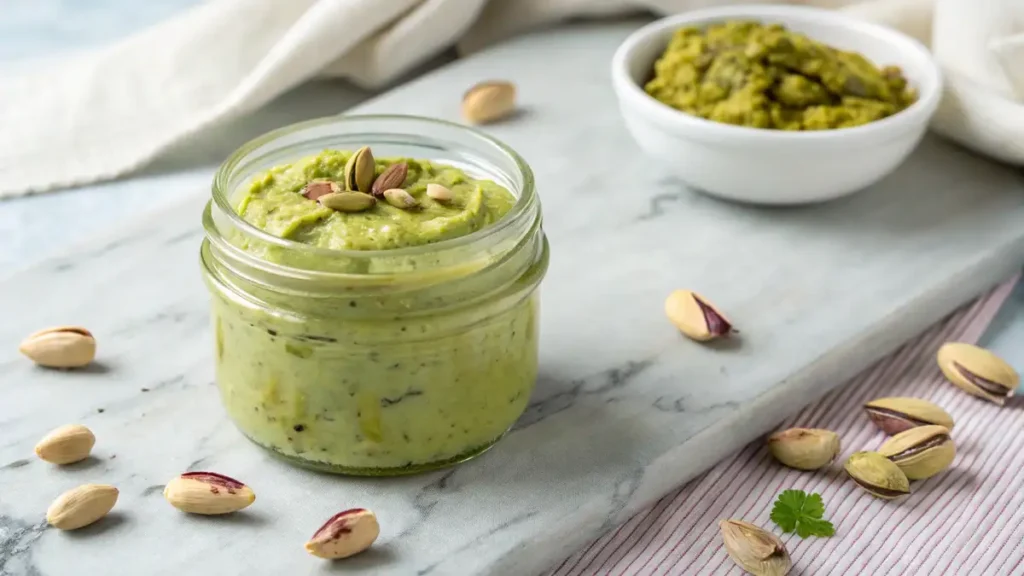
My first encounter with true pistachio cream wasn’t in a fancy Italian deli or a gourmet food store; it was during a trip to Sicily, the heartland of these vibrant green nuts. We were wandering through a bustling morning market in a small town, the air thick with the scent of fresh produce, aged cheeses, and something wonderfully sweet and nutty. Tucked away in a corner was a small stall where an elderly nonna was generously spreading a vibrant, almost jewel-toned green cream onto slices of rustic bread. Curiosity piqued, I bought a small jar. That first taste was a revelation – intensely pistachio, subtly sweet, and unbelievably creamy. It was nothing like the artificially flavored pistachio things I’d occasionally encountered back home. This was pure, unadulterated pistachio essence. I savored that little jar, using it sparingly on toast, as a dip for fruit, and even sneaking spoonfuls straight from the jar. When it was gone, I was determined to recreate that magical pistachio cream experience in my own kitchen. It took a few tries, playing with different ratios and techniques, but the journey of transforming humble pistachios into this luscious, versatile cream has been a delightful one. This recipe for homemade pistachio cream is the culmination of that journey, a way to bring a touch of Sicilian sunshine and nutty indulgence into your home.
ANNONCE
Table of Contents
Why Will You Adore This Pistachio Cream Recipe?
This homemade pistachio cream recipe is a game-changer because it puts you in control of the quality and intensity of flavor, something often compromised in store-bought versions. You’ll love the vibrant, natural green hue and the rich, authentic pistachio taste that shines through, unmarred by artificial additives. Furthermore, it’s surprisingly simple to make, offering a touch of gourmet luxury with minimal effort, perfect for elevating everyday treats or adding a special touch to your desserts. This pistachio cream is not just a spread; it’s an experience.
Pistachio Cream: Servings and Timing Details
Crafting your own luxurious pistachio cream is a rewarding process. Here’s what to expect in terms of time and yield for this delightful recipe. Please note that prep time largely involves the pistachios (boiling, peeling) and the blending process, which can vary based on your equipment.
ANNONCE


- Prep Time: Approximately 25-35 minutes (This includes shelling if needed, boiling, peeling pistachios, and the initial blending to a paste. If your blender is less powerful, the blending time to achieve a smooth cream might be longer.)
- Cook Time: Approximately 3-5 minutes (This is primarily for melting the white chocolate and butter mixture, if using that method. Some recipes require no direct cooking beyond boiling the pistachios.)
- Total Time: Approximately 30-40 minutes (This does not include chilling time, which is recommended as the pistachio cream will thicken upon refrigeration and flavors will meld.)
- Servings: Approximately 1.5 to 2 cups (This typically provides about 12-16 servings, assuming a serving size of 2 tablespoons.)
- Calories: Approximately 100-180 calories per 2-tablespoon serving (This is an estimate and depends heavily on the exact ingredients and proportions used, particularly the amount of sugar, oil, and white chocolate, if included.)
The Essential Ingredients for a Dreamy Pistachio Cream
To create a truly exceptional homemade pistachio cream, the quality of your ingredients is paramount. While the core component is, of course, pistachios, the supporting players help to achieve that perfect balance of flavor, sweetness, and luxurious texture. This recipe draws from the best aspects of traditional Italian methods and modern adaptations to give you a versatile and delicious pistachio cream.
Core Ingredient: The Pistachios
Related Posts:


◇ 1.25 to 3 cups (approx. 150g to 360g) Raw, Unsalted Pistachios: The quantity can vary based on how much pistachio cream you wish to make and the intensity you desire. Most recipes hover around 1.25 to 1.5 cups (150-180g) for a good starting batch, while others aiming for a larger yield might use up to 3 cups. Using raw, unsalted pistachios is crucial for controlling the final flavor profile and achieving the brightest green color. If you can only find roasted and salted pistachios, the boiling process (detailed in the preparation method) will help to remove some of the salt and soften them, but the color might be slightly more muted, and you’ll need to adjust or omit any added salt in the recipe.
Notes on Pistachio Varieties: While any raw, unsalted pistachio will work, Sicilian pistachios (like those from Bronte) are often lauded as the gold standard for their intense flavor and vibrant color, though they can be more expensive and harder to find. Turkish pistachios are also known for their good color. California pistachios are widely available and will still produce a delicious pistachio cream.
Sweeteners & Flavor Enhancers (Choose based on your preference and source recipes):

◇ 2 tablespoons to 1/3 cup (approx. 15g to 40g) Powdered Sugar (Icing Sugar): Powdered sugar dissolves easily, contributing to a smooth texture. The amount is adjustable to your preferred level of sweetness. Some recipes use as little as 1 tablespoon, especially if white chocolate is also included, while others might use more for a sweeter cream. Honey can be a substitute, but it will alter the consistency, making it runnier, and add its own distinct flavor.
◇ 4 oz (approx. 113g) Good Quality White Chocolate (Optional but Recommended for Italian-style cream): Many authentic Italian pistachio cream recipes include white chocolate. It adds sweetness, creaminess, and a subtle vanilla note that complements the pistachios beautifully. If using white chocolate, you might reduce the amount of powdered sugar.
◇ 1/4 to 1/2 teaspoon Salt (Optional, to taste): A small amount of salt can enhance the nutty flavor of the pistachios and balance the sweetness. If your pistachios were salted, you might omit this or use it very sparingly after tasting.
◇ 2 tablespoons Tahini Paste (Optional): One of the source recipes suggests tahini for an added nutty depth. This is not traditional in all pistachio creams but can be an interesting variation if you enjoy the flavor of sesame.
For Creaminess & Consistency:
◇ 1/4 cup to 3/4 cup (approx. 60ml to 180ml) Whole Milk or Cream (can be divided): Milk or cream helps to create the smooth, spreadable consistency of the pistachio cream. Whole milk is generally preferred for richness, but half-fat milk can be used. Some recipes use a portion of the milk to help blend the pistachios into a paste initially, and another portion mixed with melted white chocolate or added at the end to adjust consistency. The total amount will depend on how thick or thin you want your cream.
◇ 2 tablespoons Unsalted Butter (Optional, often used with white chocolate): Butter adds richness and contributes to a smoother mouthfeel, particularly in recipes that also include white chocolate.
◇ 1/4 cup (approx. 60ml) Neutral-flavored Oil (e.g., Avocado Oil, Refined Coconut Oil): Some recipes, particularly those not using white chocolate or butter, call for a neutral oil to help the pistachios break down into a smooth paste and achieve a creamy texture. Avocado oil or a refined coconut oil (that doesn’t impart a coconut flavor) are good choices.
Notes on Ingredients for your Pistachio Cream:
- Flexibility: The beauty of homemade pistachio cream is its adaptability. You can adjust the sweetness, the type of fat (butter, oil, or just the natural fat from pistachios and white chocolate), and the overall richness to suit your taste.
- High-Powered Blender: While not an ingredient, a high-powered blender (like a Vitamix or Blendtec) is highly recommended for achieving the smoothest possible pistachio cream. A standard blender or food processor can still work, but the cream might be slightly less silken, or you may need to process it for a longer time, potentially in stages (food processor first for the paste, then blender for smoothness with liquids).
- Purity is Key: Aim for the best quality ingredients you can find, especially for the pistachios and white chocolate (if using), as their flavors will be the stars of your pistachio cream.
- Vegan Options: For vegan pistachio cream, ensure any white chocolate is dairy-free, use plant-based milk/cream (almond, soy, oat, or full-fat coconut for richness), and opt for vegan butter or stick to oil. This is further detailed in the ‘Variations and Customizations’ section.
Crafting Your Luscious Pistachio Cream: A Step-by-Step Guide
The process of making homemade pistachio cream is a delightful culinary adventure, transforming humble nuts into a spread of unparalleled richness and flavor. This comprehensive guide synthesizes techniques from various expert sources to help you achieve the perfect consistency and taste for your pistachio cream. Remember, a high-powered blender is recommended for the smoothest results, but a food processor can also be used, perhaps with an additional blending step for optimal creaminess.
Step One: Preparing the Pistachios – The Foundation of Your Cream
- Boiling for Softness and Skin Removal: This initial step is crucial. It not only softens the pistachios, making them easier to blend into a smooth paste, but also greatly facilitates the removal of their papery skins, which can otherwise result in a gritty texture and a less vibrant color in your final pistachio cream.
- Bring a medium-sized pot of water to a rolling boil.
- Add your shelled, raw, unsalted pistachios to the boiling water.
- Let them boil for approximately 3 to 4 minutes. This short boiling time is sufficient to loosen the skins without cooking the nuts excessively.
- Drain the pistachios immediately using a colander or sieve.
- Tip: Work quickly once the pistachios are boiled and drained to make peeling easier while they are still warm.
- Peeling the Pistachios: This might seem like a meticulous step, but it is essential for achieving a truly smooth and visually appealing pistachio cream.
- Transfer the hot, drained pistachios onto a clean kitchen towel.
- Fold the towel over the pistachios and rub them vigorously but gently within the towel. The friction will help to dislodge most of the skins.
- Carefully separate the now-peeled (or mostly peeled) green pistachio kernels from the discarded brown skins. You may need to pick through them to ensure all skins are removed. A little patience here goes a long way towards a superior final product.
- Once peeled, your pistachios are ready for the transformation into cream.
Step Two: Creating the Pistachio Paste – The Heart of the Flavor
This step focuses on breaking down the pistachios into a fine, smooth paste. The method can vary slightly depending on your equipment.
- Using a High-Powered Blender (Preferred for smoothest results):
- Add the peeled pistachios directly to the carafe of your high-powered blender.
- Some recipes suggest adding a small portion of the total liquid (e.g., ◇ 1/4 cup or 60ml of milk) at this stage to help the blending process and prevent the nuts from simply spinning without breaking down.
- Begin blending on a medium speed, gradually increasing to high. Process for approximately 5 minutes, or until the pistachios transform from coarse crumbs into a thick, relatively smooth paste. You will likely need to stop the blender 3-4 times during this process to scrape down the sides of the carafe with a spatula, ensuring all nuts are incorporated and evenly blended. The mixture will first look like a powder, then a clumpy meal, and finally, it should start to release its oils and form a cohesive paste.
- Tip: Don’t be alarmed if the pistachios form a ball as they turn into a paste – this is a normal stage in the process.
- Using a Food Processor (Alternative method):
- Add the peeled pistachios to the bowl of your food processor.
- Process continuously for several minutes. Similar to the blender, you will need to stop and scrape down the sides of the bowl frequently. The pistachios will go through stages: chopped nuts, fine meal, then a thicker, somewhat oily paste. This can take 5-10 minutes or even longer in a standard food processor to get a reasonably smooth paste.
- Tip: For an even smoother pistachio cream when using a food processor for the initial paste, consider transferring this pistachio paste to a blender for the subsequent steps where liquids are added.
Step Three: Incorporating Sweetness, Fats, and Liquids – Building the Cream
This is where your pistachio paste transforms into the luscious, sweet pistachio cream. The exact ingredients added here will depend on the style of pistachio cream you are aiming for.
- If Using White Chocolate (for a classic Italian-style Pistachio Cream):
- In a small, heatproof bowl or a small saucepan, combine the ◇ white chocolate (chopped or chips), ◇ unsalted butter (if using), and a portion of your ◇ milk or cream (e.g., 1/4 cup or 60ml, as specified in some source recipes).
- Gently melt this mixture. You can do this in a microwave in 15-20 second bursts, stirring well after each interval until smooth, or over very low heat on the stovetop, stirring constantly to prevent scorching. Be careful not to overheat white chocolate, as it can seize and become grainy.
- Once melted and smooth, set this mixture aside briefly.
- Combining all Ingredients:
- To the blender (or food processor, if you are doing the entire process in one machine) containing the pistachio paste, add your chosen ◇ sweetener (powdered sugar), any optional flavor enhancers (like ◇ salt or ◇ tahini paste, if using), and the remaining ◇ milk/cream.
- If you prepared the melted white chocolate mixture, pour this into the blender as well.
- If your recipe calls for ◇ oil instead of or in addition to butter/white chocolate, add it at this stage.
- Final Blending to Achieve Pistachio Cream Perfection:
- Secure the lid of your blender and process again, starting on a medium speed and increasing to high.
- Blend for another 2-5 minutes, or until the mixture is exceptionally smooth, glossy, and has reached your desired creamy consistency. The exact time will depend on the power of your blender. For recipes that call for extended blending (e.g., 15-20 minutes in total, including the initial paste-making), this is where that patience pays off, resulting in an ultra-silky pistachio cream.
- Again, stop and scrape down the sides of the blender as needed to ensure everything is uniformly incorporated.
- Tip for consistency: If your pistachio cream seems too thick, you can add a little more milk or cream, a tablespoon at a time, blending after each addition until you reach the perfect texture. Remember, it will thicken further as it cools, especially if it contains white chocolate or butter.
Step Four: Cooling and Storing Your Homemade Pistachio Cream
- Transfer to Storage Container: Once your pistachio cream is perfectly smooth and creamy, pour it into a clean, airtight jar or container.
- Cool and Refrigerate: Allow the pistachio cream to cool to room temperature before sealing the container and transferring it to the refrigerator. It will thicken as it chills.
- Storage Duration: Homemade pistachio cream, when stored properly in an airtight container in the refrigerator, typically lasts for up to 2 weeks. Some sources suggest that the top layer might darken slightly over time; this is normal, and you can simply stir the cream before use.
Unleashing Creativity: Variations and Customizations for Your Pistachio Cream
While this classic homemade pistachio cream is a delight in its purest form, its versatility is one of its most charming attributes. Think of this base recipe as a springboard for your culinary imagination. Once you’ve mastered the fundamental technique, you can tweak and tailor your pistachio cream to suit various applications, dietary preferences, or simply to explore new flavor dimensions. Here are several ideas for variations and customizations to inspire your next batch of this vibrant green elixir:
Flavor Infusions and Enhancements:
- Citrus Zest: Brighten up your pistachio cream with the zest of a lemon or an orange. Add about ◇ 1 teaspoon of finely grated zest during the final blending stage. The citrus notes provide a refreshing counterpoint to the richness of the nuts and can make the cream feel lighter. This is particularly lovely if you plan to use the pistachio cream in spring or summer desserts.
- Vanilla Bean or Extract: While some recipes incorporate white chocolate which often contains vanilla, adding a scrape of ◇ fresh vanilla bean (about 1/2 bean) or ◇ 1/2 to 1 teaspoon of pure vanilla extract can deepen the sweet, aromatic notes of the pistachio cream. Add it during the final blend.
- Cardamom or Rosewater: For a Middle Eastern or Persian-inspired twist, consider adding a pinch of ◇ ground cardamom (start with 1/8 teaspoon and adjust to taste) or a few drops of ◇ rosewater (be cautious, as it’s potent – start with 1/4 teaspoon). These aromatics pair beautifully with pistachios and can transform your cream into something truly exotic, perfect for filling pastries like baklava or serving with semolina cakes.
- Almond Extract: A very small amount of ◇ almond extract (just a drop or two) can sometimes be used to subtly enhance the overall nutty flavor profile, as almond and pistachio are complementary. However, use this sparingly, as too much can easily overpower the delicate pistachio taste.
- Spiced Pistachio Cream: For a warmer, autumnal version, consider adding a tiny pinch of ◇ cinnamon or ◇ nutmeg. This could be lovely folded into oatmeal or spread on warm scones. You can also spice up the dish by using red pepper flakes for a surprising kick, though this is less common for sweet creams.
Texture and Richness Adjustments:
- Extra Nutty with Chopped Pistachios: After blending your pistachio cream to a smooth consistency, fold in ◇ a tablespoon or two of finely chopped (but not powdered) toasted pistachios. This adds a delightful textural contrast and an extra burst of pistachio flavor. This version is excellent as a filling for chocolates or cookies where a bit of crunch is desired.
- Lighter Whipped Pistachio Cream: For a lighter, airier texture, particularly if using the cream as a frosting or a mousse component, you can fold the finished (and chilled) pistachio cream into gently ◇ whipped heavy cream. Start with a ratio of 2 parts pistachio cream to 1 part whipped cream and adjust to your liking.
- Vegan Pistachio Cream: To make a vegan version, ensure your ◇ white chocolate (if using) is dairy-free. Substitute the ◇ whole milk/cream with a plant-based alternative like ◇ unsweetened almond milk, ◇ soy milk, or a richer option like ◇ full-fat coconut milk (this will impart a coconut flavor, so consider if that aligns with your desired outcome). Use a ◇ plant-based butter alternative or stick to a ◇ neutral oil like avocado oil. (This is also noted in the ingredients section for clarity).
Sweetness and Dietary Modifications:
- Alternative Sweeteners: If you wish to avoid powdered sugar, you can experiment with liquid sweeteners like ◇ maple syrup or ◇ agave nectar. Start with a smaller amount, as they are often sweeter than powdered sugar by volume, and be aware that they will make the pistachio cream slightly runnier. Blend them in thoroughly. For a sugar-free option, you could try a ◇ powdered erythritol or ◇ monk fruit sweetener, adjusting to taste.
- Lower Fat Version: While pistachios are inherently rich in healthy fats, if you need to reduce added fats, you can omit the butter or oil in some recipes, especially if using a very high-powered blender that can effectively break down the nuts to release their own oils. The texture might be slightly less decadent but still flavorful. If using white chocolate, opt for a brand with a lower fat content if available, or use it more sparingly.
Creative Uses Beyond a Spread:
- Pistachio Cream Liqueur Base: Blend your finished pistachio cream with a ◇ neutral spirit like vodka and a bit more ◇ milk/cream and ◇ sugar to create a homemade pistachio cream liqueur.
- Savory Applications (Unsweetened Version): If you make a batch of pistachio paste before adding sugar or white chocolate, this unsweetened pistachio base can be used in savory dishes. Blend it with ◇ herbs, ◇ garlic, and ◇ olive oil for a pistachio pesto, or use it to enrich sauces for pasta or chicken. You can also modify the recipe by adding vegetables like roasted bell peppers or artichoke hearts to this savory base.
Discover free daily recipes and kitchen inspiration — follow us on Pinterest!
Storing and Reheating Your Pistachio Cream: Keep it Fresh and Delicious
Proper storage is key to maintaining the delightful flavor and texture of your homemade pistachio cream. Whether you’ve made a small batch for immediate enjoyment or a larger quantity to savor over time, these guidelines will help you keep it at its best.
Storage:
- Refrigeration is Key: Always store your homemade pistachio cream in the refrigerator. This is especially important because it often contains dairy (milk or cream) and has no preservatives like many commercial products.
- Airtight Container: Transfer the pistachio cream to an airtight container. This prevents it from absorbing odors from other foods in your refrigerator and also protects it from exposure to air, which can degrade its quality and color over time.
- Shelf Life in Fridge: When stored properly in an airtight container in the refrigerator, your homemade pistachio cream should last for up to two weeks. Some recipes might suggest a shorter or slightly longer duration depending on the specific ingredients used (e.g., those with fresh dairy might have a slightly shorter shelf life).
- Freezing for Longer Storage: While not always ideal as it can alter the texture slightly, you can freeze pistachio cream. To do so, place it in a freezer-safe airtight container, leaving a little headspace for expansion. It can be frozen for up to 2-3 months. Thaw it overnight in the refrigerator. After thawing, you might need to stir it well or even give it a quick blitz in a blender if the texture has separated a bit.
Reheating Methods for the Best Taste (Generally Not Recommended for Serving Cold/Room Temp):
Pistachio cream, especially the sweet, spreadable kind, is typically enjoyed cold or at room temperature. Reheating isn’t usually necessary or recommended as it can alter its delicate texture and potentially cause separation, especially if it contains white chocolate or butter.
However, if you are incorporating the pistachio cream into a recipe that requires it to be warmed (e.g., as a filling that will be baked, or to make it more pourable for drizzling when it’s very cold from the fridge), do so very gently:
- Gentle Softening at Room Temperature: If you need to make it slightly more spreadable after refrigeration, let it sit at room temperature for about 15-30 minutes. This usually softens it sufficiently.
- Stovetop Method (with caution): If you must warm it slightly, for example, to achieve a more liquid consistency for drizzling, you could try a very gentle method. Place a small amount in a heatproof bowl over a saucepan of barely simmering water (like a double boiler), ensuring the bottom of the bowl doesn’t touch the water. Stir constantly until just slightly warmed and more fluid. A tip similar to reheating sauces with milk: if it’s a dairy-based cream, a tiny splash of milk while gently warming on the stovetop (not directly, but in a bowl over simmering water) can help maintain smoothness, but this is for very gentle warming only.
- Avoid Direct Heat/Microwave: Do not microwave the pistachio cream directly in large quantities, as this can easily overheat it and cause it to separate or become oily. If you absolutely must warm it slightly in a microwave, do so in very short 5-second bursts at a very low power setting, stirring frequently, and only for a very small portion.
Tips for Best Storage Results:
- Label with Date: Always label your container with the date you made the pistachio cream so you can keep track of its freshness.
- Use Clean Utensils: When scooping out pistachio cream, always use a clean spoon or knife to prevent introducing bacteria, which can shorten its shelf life.
- Observe Before Using: Before using stored pistachio cream, give it a quick check. Look for any signs of spoilage such as an off smell, mold, or a significant change in texture that doesn’t resolve with stirring. If in doubt, it’s always better to err on the side of caution and discard it.
Tips and Additional Ideas for the Ultimate Pistachio Cream Experience
Crafting your own pistachio cream is a journey of flavor, and like any good journey, there are always little tricks and insights that can make the experience even better. Beyond the core recipe, here are some additional tips and creative ideas to help you achieve pistachio cream perfection and inspire new ways to enjoy this versatile delight. These suggestions aim to enhance both the process and the final product, ensuring your homemade pistachio cream is consistently spectacular.
Achieving the Perfect Texture and Flavor:
- Blanching and Peeling Precision: While boiling pistachios for 3-4 minutes is standard for skin removal, ensure you don’t over-boil, as this can dull the flavor slightly. The goal is just to loosen the skins. When rubbing them in a towel, be thorough but gentle to avoid crushing the nuts too much before they hit the blender.
- The Power of a Good Blender/Food Processor: This cannot be overstated. A high-powered blender (like a Vitamix or Blendtec) will yield the silkiest smooth pistachio cream. If using a standard blender or food processor, be patient. You may need to process the nuts for a longer duration, and scraping down the sides frequently is crucial.
- Temperature of Ingredients: While not always critical, some find that having ingredients like milk or oil at room temperature can help with emulsification, especially if your blender isn’t high-powered. However, if melting white chocolate with milk/butter, that mixture will be warm when added.
- Taste and Adjust Sweetness: The level of sweetness is subjective. Always taste your pistachio cream before chilling it completely. If it’s not sweet enough, you can blend in a little more powdered sugar. Remember that flavors can meld and change slightly as it chills.
- Salt – The Flavor Enhancer: Don’t underestimate the power of a small pinch of salt, even in a sweet cream. It brightens the pistachio flavor and balances the sweetness. If you used salted pistachios (and attempted to remove salt by boiling), taste carefully before adding any extra.
- Patience in Blending: Achieving that ultra-smooth, luxurious texture takes time. Don’t rush the blending process. Allow the machine to do its work, stopping to scrape down as needed. The pistachios need time to release their oils and break down completely.
- Using Fresh Butter: For an extra decadent touch, consider using fresh, high-quality unsalted butter if your recipe calls for it. The richness it imparts can elevate the creaminess.
- Adding Extra Seasonings: Beyond the basic ingredients, a tiny dash of almond extract can sometimes enhance the nutty notes, but use it very sparingly. For a unique twist, a hint of cardamom or rosewater can be added for a more exotic flavor profile, especially if you are aiming for a Middle Eastern vibe.
Creative Serving and Usage Ideas for Your Pistachio Cream:
- Elevated Breakfasts: Swirl your pistachio cream into oatmeal, yogurt, or chia seed pudding. Spread it on warm croissants, brioche, or pancakes instead of syrup. Use it as a filling for homemade crepes.
- Decadent Desserts: Use pistachio cream as a filling for macarons, éclairs, cream puffs, or sandwich cookies. Fold it into whipped cream or mascarpone to create a luscious frosting for cakes and cupcakes. Layer it in trifles or parfaits with berries and crumbled cookies.
- Gourmet Toppings: Drizzle warmed (gently!) pistachio cream over ice cream (especially vanilla, chocolate, or cherry), gelato, or sorbet. Serve it alongside panna cotta or cheesecake.
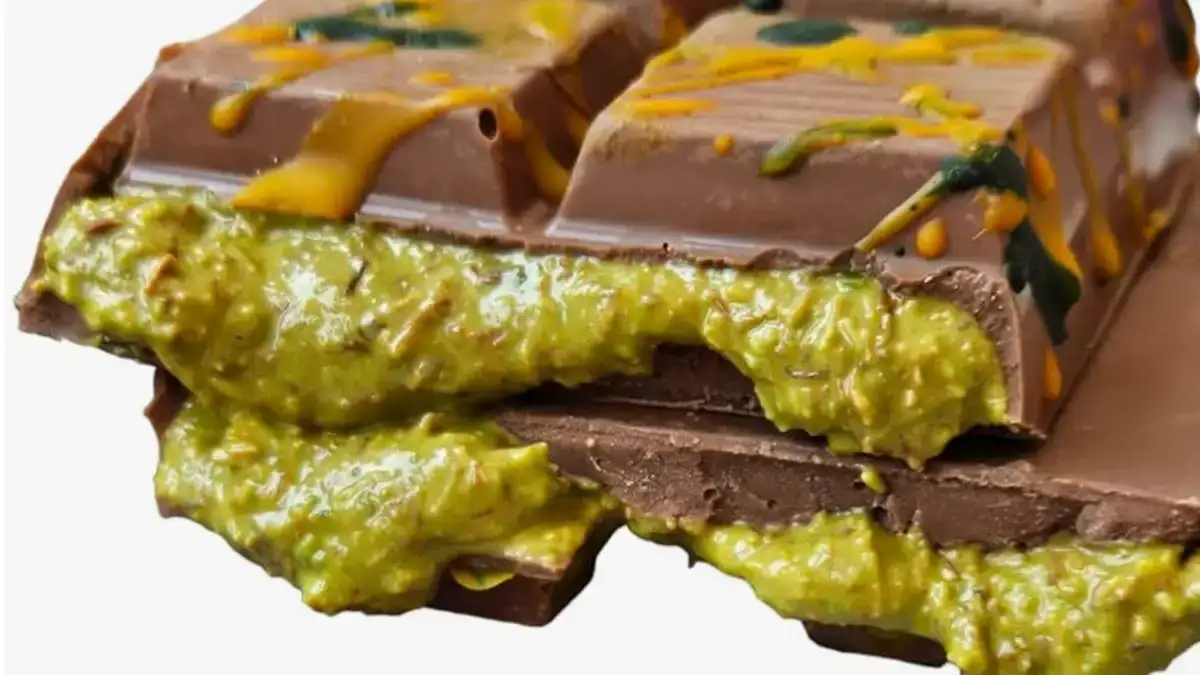
- Chocolate Pairings: Pistachio cream is a natural partner for chocolate. Use it as a filling for homemade chocolates or truffles. Spread it on a chocolate tart base. The Dubai chocolate bar trend, featuring pistachio cream and kataifi pastry encased in chocolate, is a testament to this perfect pairing.
- Fruit Companion: Serve pistachio cream as a dip for fresh berries, figs, sliced apples, or pears. The nutty creaminess complements the fruit beautifully.
- Coffee and Beverage Enhancer: Stir a spoonful of pistachio cream into your hot coffee or latte for a nutty twist (ensure it’s smooth enough to dissolve or blend well). You could even experiment with adding it to milkshakes or smoothies.
- Savory Twists (with an unsweetened base): If you make an unsweetened pistachio paste (before adding sugar/chocolate), it can be a fantastic base for savory applications. Blend it with olive oil, garlic, parmesan, and basil for a unique pistachio pesto. Whisk it into a vinaigrette for salads. Use it to enrich a creamy sauce for pasta or chicken.
Pistachio Cream: A Look at the Nutrition Facts (Approximate)
While homemade pistachio cream is undeniably a delicious treat, it’s also good to be mindful of its nutritional profile, especially if you’re incorporating it regularly into your diet. Pistachios themselves are nutrient-dense nuts, offering healthy fats, protein, and fiber. However, the addition of sugar, white chocolate, and butter/oil to create the cream significantly alters the overall nutritional values.
The following nutritional information is an approximation for a standard serving size of homemade pistachio cream (roughly 2 tablespoons or 30 grams), based on recipes that include pistachios, powdered sugar, milk/cream, and potentially white chocolate or butter. Actual values will vary based on the precise ingredients and quantities used in your specific pistachio cream recipe.
Approximate Nutrition Facts per 2 Tablespoons (30g) of Pistachio Cream:
- Calories: 150 – 180 kcal
- Protein: 3 – 5 g
- Fat (Total): 12 – 16 g
- Saturated Fat: 1.5 – 3 g (higher if butter and white chocolate are used)
- Monounsaturated Fat: 6 – 8 g (from pistachios and oil if used)
- Polyunsaturated Fat: 3 – 5 g (from pistachios)
- Trans Fat: Typically 0 g
- Carbohydrates: 8 – 12 g
- Dietary Fiber: 1 – 2 g
- Sugars: 5 – 9 g (primarily from added powdered sugar and white chocolate)
- Sodium: 10 – 50 mg (can be higher if salted pistachios are used or if salt is added)
- Cholesterol: 0 – 10 mg (primarily from butter or dairy cream if used)
Key Nutritional Considerations for Your Pistachio Cream:
- Healthy Fats: Pistachios provide beneficial monounsaturated and polyunsaturated fats. However, the overall fat content of the cream can be high, so moderation is key.
- Sugar Content: The amount of added sugar (powdered sugar, white chocolate) is a significant factor. If you are health-conscious, you can try reducing the sugar content or using natural sweeteners sparingly, though this will alter the taste and potentially the texture.
- Calorie Density: Pistachio cream is calorie-dense due to the nuts and added fats/sugars. Enjoy it as a treat rather than a primary food source if managing calorie intake.
- Vitamins and Minerals: Pistachios themselves contain vitamins like B6 and E, and minerals such as potassium, magnesium, and iron. While the cream will retain some of these, the overall nutritional benefit is balanced against the added sugars and fats.
- Dietary Fiber: The fiber content comes from the pistachios and contributes to digestive health.
Making it Healthier:
If you wish to make a healthier version of pistachio cream, consider these adjustments:
- Reduce or Omit White Chocolate: This will significantly cut down on sugar and some fats.
- Minimize Powdered Sugar: Use just enough for a hint of sweetness or explore natural, less processed sweeteners in moderation.
- Use Skimmed or Low-Fat Milk: If using milk, opt for lower-fat versions.
- Focus on Pistachio Purity: A simpler pistachio cream made primarily from blended pistachios with a touch of neutral oil (if needed for consistency) and minimal sweetener will be more aligned with the natural nutritional benefits of pistachios.
- Portion Control: Regardless of the recipe, enjoying pistachio cream in moderation is the best approach for a balanced diet.
This nutritional overview provides a general idea. For precise figures, it would be best to calculate based on the exact ingredients and quantities used in your specific batch of pistachio cream. Enjoy this delicious spread mindfully!
Your Pistachio Cream Questions Answered: Frequently Asked Questions (FAQs)
Making homemade pistachio cream can be a rewarding experience, but it’s natural to have a few questions along the way, especially if you’re new to the process. Here are answers to some frequently asked questions that can help you navigate your pistachio cream-making journey with confidence and achieve delicious results.
1. Can I use roasted or salted pistachios instead of raw, unsalted ones for my pistachio cream?
Yes, you can, but with a few considerations. Raw, unsalted pistachios are generally preferred for the best color and to control the final saltiness of your pistachio cream. If you use roasted pistachios, the color of your cream might be slightly less vibrant green, and the flavor will have a toasted note. If you use salted pistachios, the boiling step (for skin removal) will help wash away some of the surface salt, but you should taste the pistachio paste before adding any further salt to the recipe. You might need to omit added salt altogether.
2. Why is my pistachio cream not as green as some store-bought versions?
The vibrant green color of pistachio cream depends heavily on the type and quality of pistachios used (e.g., Sicilian pistachios are known for their intense color) and whether the skins were thoroughly removed. Some commercial pistachio creams might also use color enhancers, which homemade versions typically avoid. Ensure you peel the pistachios meticulously after boiling for the best natural color. The freshness of the pistachios also plays a role.
3. My pistachio cream is gritty. What went wrong?
Grittiness in pistachio cream is usually due to two main reasons: incomplete removal of the papery pistachio skins or insufficient blending. The skins are tough and don’t break down smoothly. Ensure you are diligent in the peeling process. Secondly, pistachios need to be blended for a significant amount of time to achieve a truly smooth, creamy texture. A high-powered blender helps immensely. If using a standard blender or food processor, be patient and blend for longer, scraping down the sides frequently.
4. Do I really need to boil the pistachios before blending?
Boiling the pistachios serves two important purposes: it softens the nuts, making them easier to blend into a smooth paste (especially helpful for less powerful blenders), and it makes the skins much easier to remove. While you could technically skip it if you have a very powerful blender and don’t mind a potentially less smooth or speckled cream, most recipes highly recommend this step for optimal results in both texture and appearance of your pistachio cream.
5. Can I make pistachio cream without white chocolate?
Absolutely! While many classic Italian-style pistachio cream recipes include white chocolate for sweetness, creaminess, and a subtle vanilla note, you can certainly make a delicious pistachio cream without it. In such cases, you might rely more on powdered sugar for sweetness and potentially a neutral oil (like avocado oil) or a bit more milk/cream to achieve the desired consistency. The flavor will be more purely pistachio-focused.
6. How can I make my pistachio cream thicker or thinner?
To make your pistachio cream thicker, ensure you are not adding too much liquid (milk, cream, or oil) during blending. It will also thicken considerably upon refrigeration, especially if it contains white chocolate or butter. If it’s still too thin after chilling, you could try blending in a few more ground pistachios or a little more melted (and slightly cooled) white chocolate. To make it thinner, blend in a small amount of additional milk or cream, a tablespoon at a time, until you reach your desired consistency.
7. What’s the best way to store homemade pistachio cream, and how long does it last?
Store your homemade pistachio cream in an airtight container in the refrigerator. This is crucial as it often contains dairy and lacks preservatives. Properly stored, it should last for up to two weeks. Always use clean utensils when scooping to prevent contamination.
8. Can I make a vegan version of this pistachio cream recipe?
Yes, it’s quite straightforward to make vegan pistachio cream. Use a plant-based milk (like almond, soy, or oat milk) instead of dairy milk/cream. If your recipe calls for butter, use a vegan butter alternative or a neutral oil. If using white chocolate, ensure it is a dairy-free/vegan white chocolate variety. The core ingredient, pistachios, is naturally vegan.
9. My blender is struggling to make the pistachio paste. Any tips?
If your blender is having a hard time, try adding a small amount of the liquid (milk or oil) from your recipe to the pistachios to help them move and blend more easily. Process in shorter bursts, stopping to scrape down the sides and give your blender a rest if it’s overheating. Alternatively, you can first process the pistachios into a coarse meal or paste in a food processor (which is often better at handling drier, harder ingredients initially) and then transfer that paste to the blender with the liquids for the final smoothing.
10. What are some creative ways to use pistachio cream besides spreading it on toast?
The possibilities are endless! Use your pistachio cream as a filling for macarons, cakes, donuts, or pastries. Swirl it into yogurt or oatmeal. Drizzle it over ice cream or pancakes. Fold it into whipped cream or mascarpone for a quick mousse or frosting. Use it as a dip for fruit. It can even be a decadent addition to coffee or milkshakes. Let your imagination guide you!
Hungry for more? Follow us on Facebook for fresh, free recipes every single day!
For more free daily recipes, follow us on our Facebook page! (https://www.facebook.com/TheGrandmaChef)
Your Pistachio Cream Adventure Awaits!
Embarking on the journey of creating your own homemade pistachio cream is more than just following a recipe; it’s about crafting an experience, a moment of pure indulgence that you can savor and share. From the careful selection of vibrant pistachios to the patient blending process that transforms them into a silken elixir, every step is a testament to the joy of homemade goodness. This comprehensive guide has walked you through the nuances of creating the perfect pistachio cream, offering insights into ingredient selection, detailed preparation methods, creative variations, and practical tips for storage and enjoyment.
We’ve explored how the quality of your pistachios and other ingredients like white chocolate or a touch of citrus zest can elevate your pistachio cream from simply good to truly exceptional. You’ve learned the importance of patience during blending to achieve that coveted smooth texture and how simple additions can tailor the flavor profile to your exact liking, whether you prefer a classic sweet cream or a more exotic, spiced version.
Now, armed with this knowledge and these detailed instructions, you are ready to unlock the secrets to a pistachio cream that can rival any artisanal offering. Imagine the delight of spreading your own freshly made pistachio cream on warm toast, filling delicate pastries, or simply enjoying a spoonful of its rich, nutty perfection. The possibilities are as boundless as your culinary creativity.
Try this incredible pistachio cream recipe today and transform your kitchen into a haven of gourmet delight. We encourage you to experiment with the variations, find your favorite way to enjoy it, and perhaps even create new traditions around this exquisite treat. Share your pistachio cream triumphs, your unique customizations, and any questions that arise with our community. We can’t wait to hear about your delicious adventures in the world of homemade pistachio cream!
Happy Blending!
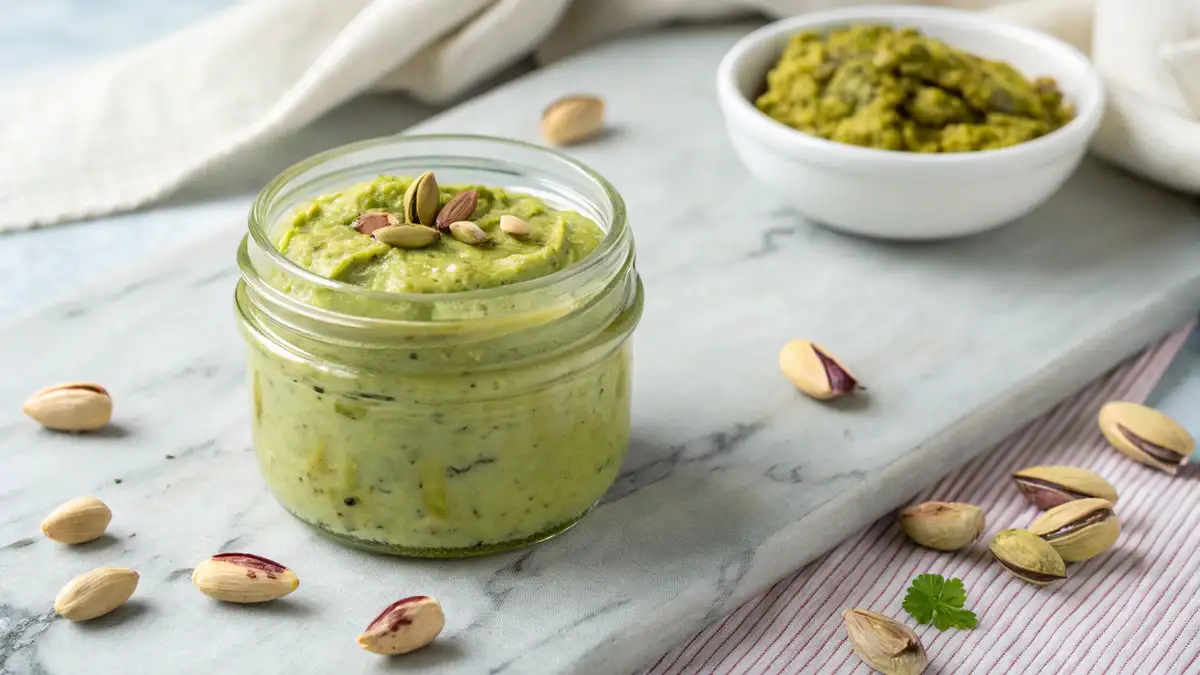
Italian Pistachio Cream (Crema al Pistacchio)
Equipment
- Food Processor
- Saucepan
Ingredients
Pistachio Cream
- 1 heaped cup shelled unsalted raw pistachios
- 3/4 cup whole milk
- 2 tbsp unsalted butter
- 3.5 oz white chocolate chopped
- 1 tbsp powdered sugar
Instructions
- Bring a medium-sized pot of water to a boil. Add the shelled pistachios and boil for 4 minutes. Drain and place them on a clean kitchen towel.
- Fold the towel over the pistachios and rub them to loosen the skins. Remove and discard the skins.
- In a food processor, blend the peeled pistachios until they form a fine paste.
- In a saucepan over low heat, combine the milk, butter, and white chocolate. Stir until melted and smooth.
- Add the melted mixture and powdered sugar to the pistachio paste in the food processor. Blend until smooth and creamy.
- Transfer the pistachio cream to a jar and let it cool. Store in the refrigerator for up to 2 weeks.