ANNONCE
The Ultimate Cinnamon Roll Cake
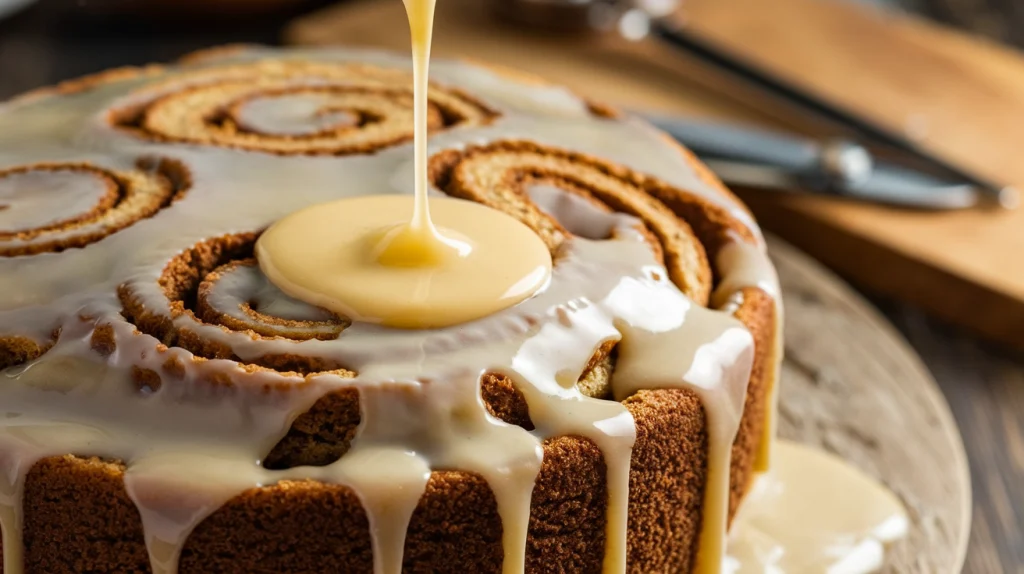
Embracing the Essence of Comfort Baking
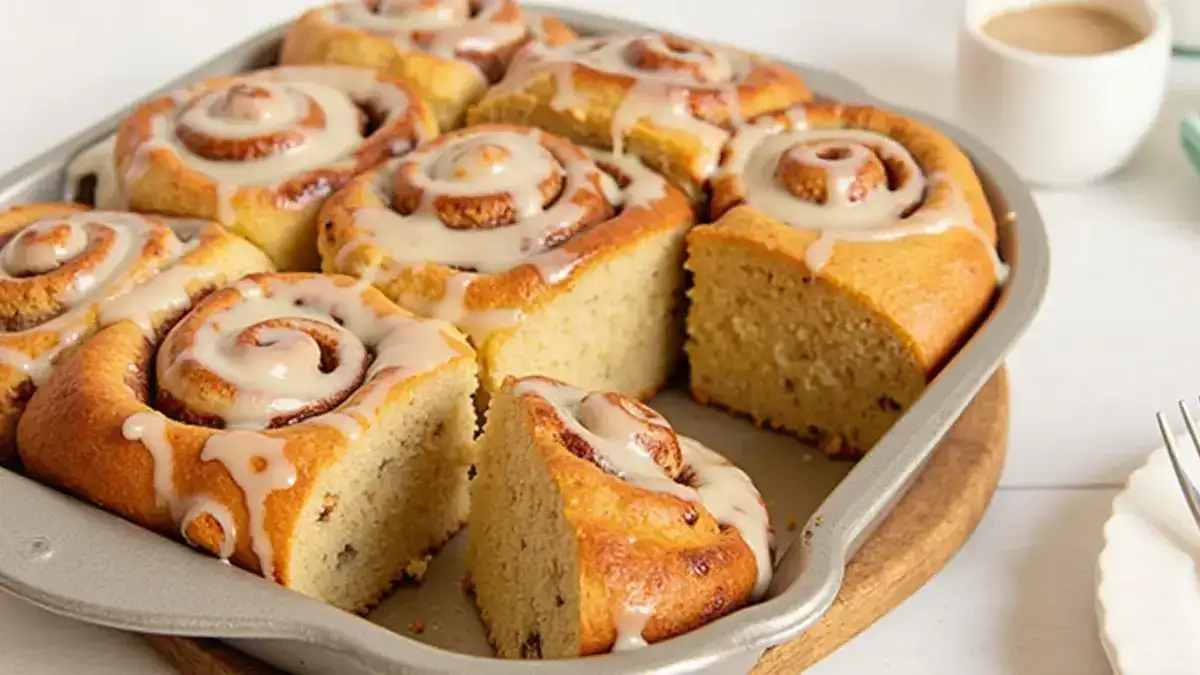
Imagine the irresistible aroma of freshly baked cinnamon rolls wafting through your home, instantly transporting you to a world of comfort and warmth. Now, picture that same heavenly scent emanating from a perfectly baked cake, combining the best of both worlds—the beloved cinnamon roll and the classic cake. This is the magic of the Cinnamon Roll Cake, a culinary creation that marries the gooey, spiced swirls of a cinnamon roll with the tender crumb of a well-crafted cake.
ANNONCE
In this comprehensive guide, we’ll take you on a journey through the art of creating the perfect Cinnamon Roll Cake. From understanding the science behind the ingredients to mastering the technique of achieving that perfect swirl, we’ll cover every aspect of this delightful dessert. Whether you’re a seasoned baker or a novice in the kitchen, this guide will equip you with the knowledge and skills to create a Cinnamon Roll Cake that will captivate taste buds and hearts alike.
Table of Contents
The History and Evolution of Cinnamon Rolls
Origins
Cinnamon rolls, also known as cinnamon buns or cinnamon snails, have a rich and storied history dating back to Northern Europe, particularly Sweden. The concept of rolling spices into dough dates back to ancient times. However, the modern cinnamon roll as we know it began to take shape in Sweden during the early 20th century. Known as “kanelbulle” in Swedish, these rolls became a beloved treat, so much so that they have their own dedicated day of celebration, known as “Kanelbullens dag” or Cinnamon Roll Day, which is observed on October 4th each year.
ANNONCE


Evolution in America
As Swedish immigrants brought their recipes to America, the cinnamon roll evolved to suit American tastes. The rolls became larger, sweeter, and often featured an array of toppings, such as cream cheese frosting. This American twist on the classic Swedish treat has become a staple in bakeries and homes across the country. The versatility of the cinnamon roll has led to numerous variations, including different fillings and frostings, which showcase the adaptability and enduring popularity of this beloved pastry.
The Cinnamon Roll Cake represents a modern interpretation of this classic treat. It combines the beloved flavors and textures of a cinnamon roll with the convenience and versatility of a cake. This fusion not only honors the origins of the cinnamon roll but also reflects the evolving nature of baking traditions as they adapt to contemporary tastes and lifestyles.
Related Posts:

Hungry for more? Follow us on Facebook for fresh, free recipes every single day!
Understanding the Science of Baking: Key Ingredients and Their Roles
Flour: The Foundation of Structure
All-purpose flour is the backbone of our cake, providing structure through its gluten content. Gluten is a protein that, when mixed with liquids and subjected to heat, forms a network that gives the cake its shape and texture. For a tender crumb, it’s important not to overmix the batter, as this can develop too much gluten and result in a tough cake. Using the right flour and mixing it properly ensures that your cake will have the desired light and airy texture.
Sugar: More Than Just Sweetness
Granulated sugar is not just for sweetness; it plays a crucial role in the texture and structure of the cake. Sugar tenderizes the crumb by interfering with gluten development, which helps retain moisture and contributes to the golden-brown color of the cake through caramelization during baking. Additionally, sugar can affect the cake’s shelf life, as it helps to retain moisture and keep the cake fresh for a longer period.
Baking Powder: The Leavening Agent
Baking powder is essential for the cake’s rise. It is a mixture of bicarbonate of soda (a base), cream of tartar (an acid), and sometimes cornstarch. When combined with liquids and exposed to heat, baking powder produces carbon dioxide gas, which creates bubbles in the batter, making the cake light and fluffy. Properly measuring and incorporating baking powder is crucial for achieving the right texture and volume in your cake.
Salt: The Flavor Enhancer
While it might seem counterintuitive to add salt to a sweet recipe, salt is essential in enhancing the flavors of other ingredients. It accentuates the sweetness and brings out the warm notes of cinnamon. Additionally, salt strengthens the gluten structure, contributing to the cake’s overall texture and consistency. A pinch of salt can make a significant difference in the final flavor profile of your cake.
Milk: The Moisture Provider
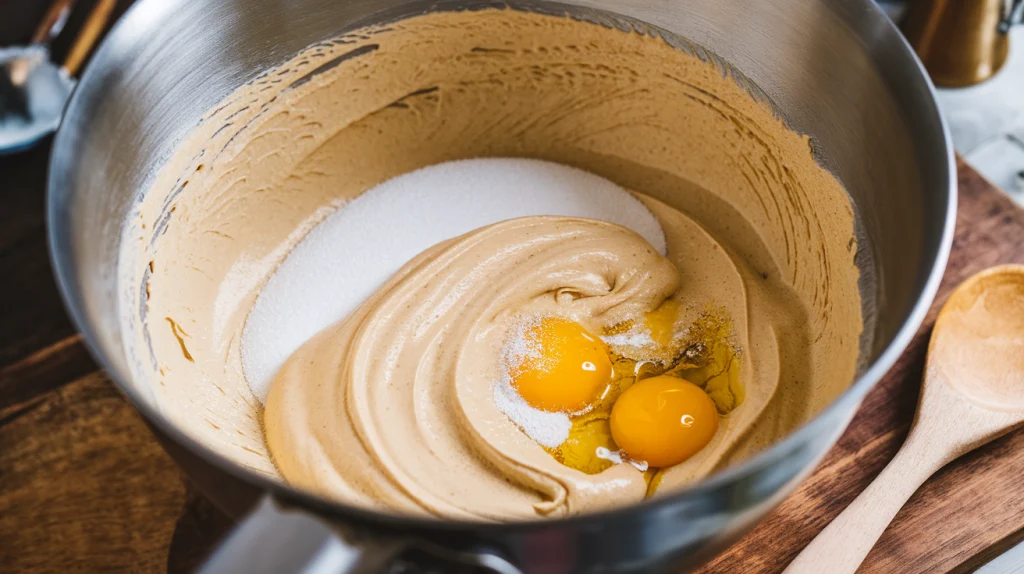
Milk adds moisture to the batter, which is crucial for achieving a tender texture. The proteins in milk also help with browning and flavor development. For the best results, use whole milk, as it has a higher fat content that contributes to a richer, more flavorful cake. Milk also helps to dissolve and evenly distribute other ingredients, ensuring a smooth and consistent batter.
Eggs: The Binding Agent
Eggs play multiple roles in our cake. They bind ingredients together, add moisture, and contribute to the cake’s structure and richness. The proteins in eggs coagulate when heated, helping to set the cake and provide stability. Eggs also contribute to the cake’s color and flavor, enhancing the overall taste and appearance.
Butter: The Flavor Carrier
Butter adds richness and flavor to the cake. In the cinnamon swirl, it helps create that gooey, melt-in-your-mouth texture we associate with cinnamon rolls. The fat in butter also contributes to the cake’s tenderness and moistness. For the best results, use unsalted butter to control the amount of salt in your recipe.
Cinnamon: The Star of the Show
Cinnamon is the heart and soul of this cake. Its warm, sweet aroma and distinctive taste are what make this cake truly special. Cinnamon contains essential oils that release their flavor during baking, creating that signature spiced aroma. The quality of cinnamon used can significantly impact the flavor, so opt for fresh, high-quality cinnamon for the best results.
Essential Tools for Baking Success
Mixing Bowls
A set of mixing bowls in varying sizes is ideal for preparing and combining ingredients. Glass or stainless steel bowls are preferable as they don’t retain odors or stains and are easy to clean. Using separate bowls for dry and wet ingredients helps ensure proper mixing and prevents lumps in the batter.
Electric Mixer
While a stand mixer is fantastic for large batches, a hand-held electric mixer will work perfectly for this recipe. An electric mixer speeds up the process of combining ingredients and ensures a smooth, well-incorporated batter. If you don’t have an electric mixer, you can use a whisk or spatula, but it may require more effort and time.
Measuring Cups and Spoons
Precise measurements are essential in baking to ensure the right balance of ingredients for perfect results. Invest in a good set of dry measuring cups, liquid measuring cups, and measuring spoons. Accurate measurements help achieve consistent results and prevent variations in texture and flavor.
9×13-Inch Baking Pan
A light-colored aluminum pan is ideal for baking as it conducts heat evenly without over-browning the edges of the cake. Ensure that the pan is properly greased and lined with parchment paper to facilitate easy removal of the cake after baking.
Spatula
A flexible silicone spatula is perfect for folding ingredients and scraping every last bit of batter from the bowl. A spatula also helps ensure even distribution of the batter in the pan and makes mixing and stirring more efficient.
Whisk
A whisk is useful for combining dry ingredients and ensuring there are no lumps in your glaze. It helps incorporate air into the batter, resulting in a lighter and fluffier cake. A whisk is also handy for mixing the glaze to achieve a smooth consistency.
Cooling Rack
A cooling rack allows air to circulate around the cake, preventing condensation and ensuring even cooling. Proper cooling is essential for achieving the right texture and consistency in your cake. Avoid cooling the cake in the pan for too long, as it can affect the final texture and flavor.
Parchment Paper
Lining your pan with parchment paper makes it easy to remove the cake and aids in clean-up. Parchment paper prevents the cake from sticking to the pan and ensures a smooth, intact cake when removed. It also helps prevent over-browning and burning of the cake edges.
Step-by-Step Cinnamon Roll Cake Recipe
Preparation
- Preheat the Oven: Set your oven to 350°F (175°C). Preheating ensures that your oven is at the right temperature when the cake is ready to bake, resulting in even baking and a consistent texture.
- Prepare the Pan: Grease a 9×13-inch baking pan thoroughly. For easy removal, line the pan with parchment paper, leaving some overhang on the sides. This allows for easy lifting of the cake out of the pan.
Making the Cake Batter
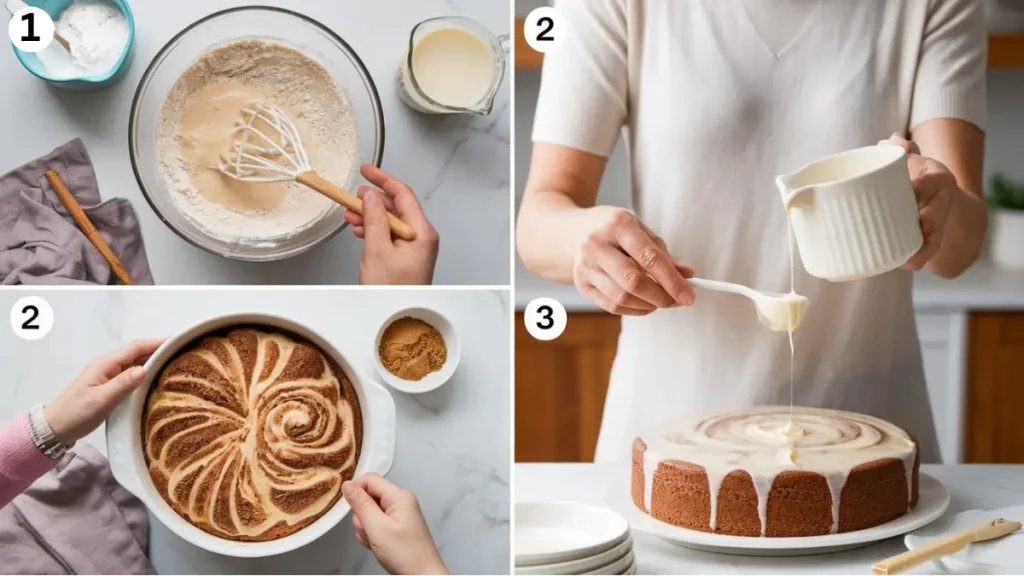
- Mix Dry Ingredients: In a large bowl, whisk together 3 cups of all-purpose flour, 1 cup of granulated sugar, 4 teaspoons of baking powder, and 1/2 teaspoon of salt. This step helps distribute the leavening agents evenly throughout the flour and ensures a uniform texture.
- Combine Wet Ingredients: In another bowl, whisk together 1 1/2 cups of milk, 2 large eggs, 2 teaspoons of vanilla extract, and 1/2 cup of melted unsalted butter. Ensure that the eggs and milk are at room temperature to ensure smoother mixing and better incorporation into the batter.
- Make Batter: Gradually add the wet ingredients to the dry ingredients, mixing until just combined. Be careful not to overmix, as this can lead to a tough cake. A few small lumps are acceptable and will not affect the final result.
Preparing the Cinnamon Swirl
- Create Cinnamon Mixture: In a separate bowl, mix 1 cup of softened unsalted butter, 1 cup of brown sugar, 2 tablespoons of all-purpose flour, and 1 tablespoon of cinnamon until well combined. This mixture will create the signature cinnamon swirl in your cake.
Assembling and Baking the Cake
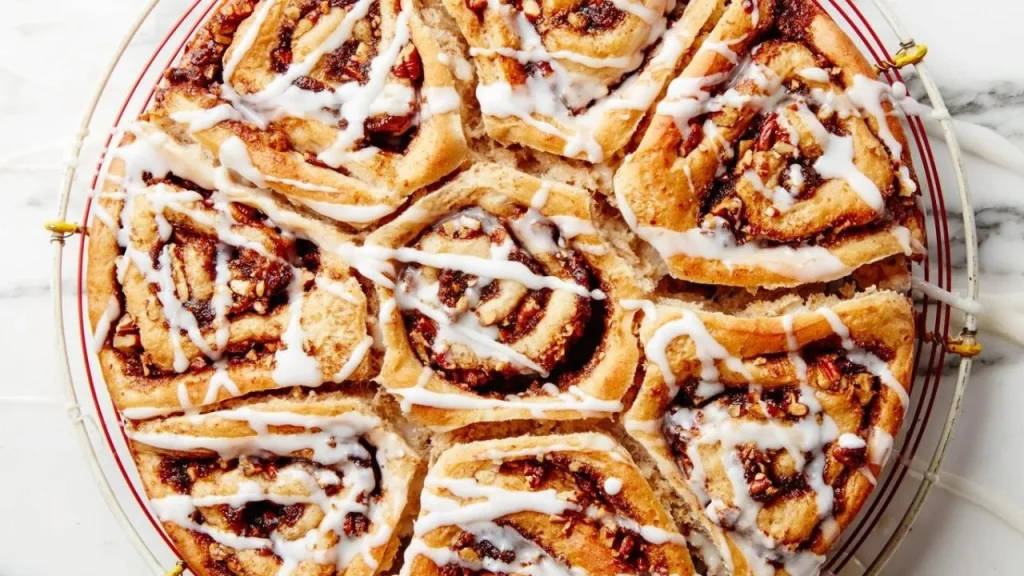
- Layer the Batter and Swirl: Pour half of the cake batter into the prepared pan, spreading it evenly. Drop spoonfuls of half the cinnamon mixture over the batter. Pour the remaining batter over the cinnamon layer, then top with the rest of the cinnamon mixture.
- Create the Swirl: Using a knife or a skewer, gently swirl the cinnamon mixture through the batter. Be careful not to overmix – you want distinct swirls of cinnamon throughout the cake.
- Bake the Cake: Place the pan in the preheated oven and bake for 28-32 minutes, or until a toothpick inserted into the center comes out clean with just a few moist crumbs.
Preparing the Glaze
- Mix Glaze Ingredients: While the cake is cooling, prepare the glaze. In a small bowl, whisk together 2 cups of powdered sugar, 5 tablespoons of milk, and 1 teaspoon of vanilla extract until smooth. Adjust the consistency by adding more milk or powdered sugar as needed.
- Glaze the Cake: Once the cake has cooled for about 10-15 minutes, drizzle the glaze over the top. The cake should still be warm, but not hot, allowing the glaze to set slightly as it cools.
Tips for Achieving Cinnamon Roll Cake Perfection
To elevate your Cinnamon Roll Cake from good to extraordinary, keep these expert tips in mind:
- Room Temperature Ingredients: Ensure your eggs, milk, and butter are at room temperature before beginning. This allows for better incorporation and a smoother batter.
- Don’t Overmix: Mix the batter until just combined. Overmixing can lead to a tough, dense cake.
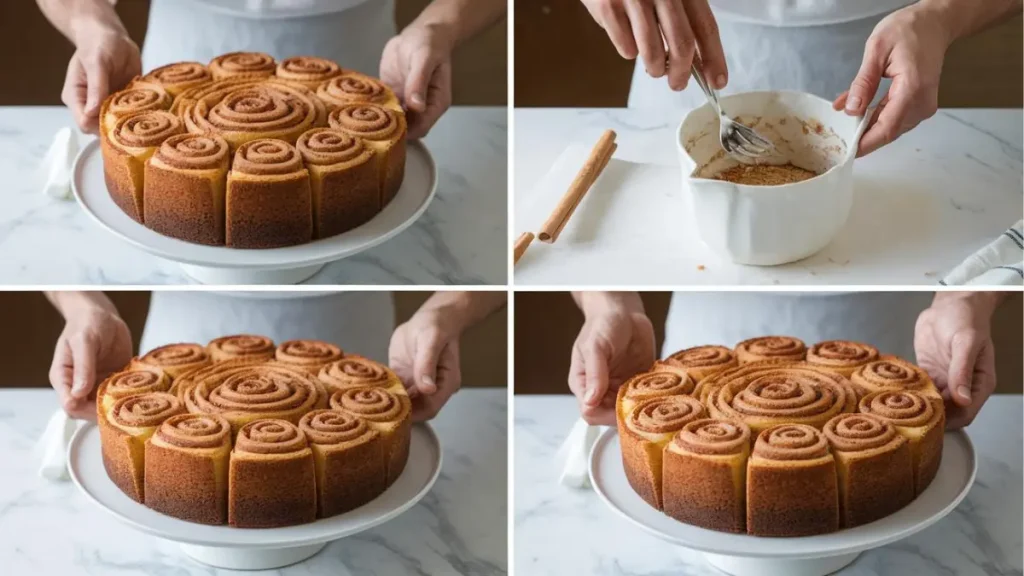
- Perfect Swirl Technique: When creating the cinnamon swirl, use gentle, figure-eight motions with your knife or skewer. This creates beautiful, distinct swirls without overmixing the batter.
- Check for Doneness: Start checking your cake a few minutes before the recommended baking time. Every oven is different, and you want to avoid overbaking.
- Cooling Time: Allow the cake to cool in the pan for about 10-15 minutes before glazing. This allows the cake to set slightly while still being warm enough for the glaze to partially melt into the top.
- Glaze Consistency: Adjust the glaze consistency to your liking. A thicker glaze will sit on top of the cake, while a thinner one will soak in more.
Variations and Serving Suggestions: Customizing Your Cinnamon Roll Cake
One of the joys of baking is the ability to customize recipes to suit your taste or occasion. Here are some exciting variations and serving suggestions to inspire your creativity:
Variations
- Nutty Delight: Add 1/2 cup of chopped pecans or walnuts to the cinnamon swirl mixture for added crunch and nutty flavor.
- Orange Zest Twist: Add the zest of one orange to your cake batter for a bright, citrusy note that complements the cinnamon beautifully.
- Apple Cinnamon: Fold 1 cup of finely diced apples into the batter before adding the cinnamon swirl for a fruity twist.
- Cream Cheese Swirl: Replace half of the cinnamon swirl mixture with a cream cheese mixture (8 oz cream cheese, 1/4 cup sugar, 1 egg) for a cheesecake-like swirl.
- Chocolate Chip: Add 1 cup of semi-sweet chocolate chips to the batter for a chocolatey surprise.
Serving Suggestions
- Breakfast Treat: Serve warm slices with a cup of coffee or tea for a indulgent breakfast or brunch.
- Dessert Delight: Top a slice with a scoop of vanilla ice cream and a drizzle of caramel sauce for a decadent dessert.
- Afternoon Tea: Cut into small squares and serve with a selection of teas for an elegant afternoon tea spread.
- Holiday Gifting: Bake in disposable aluminum pans and gift to friends and neighbors during the holiday season.
- Brunch Centerpiece: Make it the star of your next brunch spread, accompanied by fresh fruit and savory dishes.
Storing and Reheating: Preserving the Magic
To ensure your Cinnamon Roll Cake stays fresh and delicious, follow these storage and reheating tips:
- Room Temperature: Store the cake, covered, at room temperature for up to 2 days.
- Refrigeration: For longer storage, refrigerate for up to 5 days. Bring to room temperature before serving.
- Freezing: Wrap individual slices or the whole cake (unglazed) in plastic wrap and aluminum foil. Freeze for up to 3 months. Thaw overnight in the refrigerator.
- Reheating: To recapture that fresh-baked taste, warm individual slices in the microwave for 10-15 seconds, or place the whole cake in a 300°F (150°C) oven for 10-15 minutes.
Ultimate Cinnamon Roll Cake Nutrition Information
| Nutritional Information | Per Serving |
|---|---|
| Calories | 400 |
| Total Fat | 18 g |
| Saturated Fat | 10 g |
| Cholesterol | 60 mg |
| Sodium | 300 mg |
| Total Carbohydrates | 55 g |
| Dietary Fiber | 2 g |
| Sugars | 25 g |
| Protein | 6 g |
- Indulgent and Sweet: A delightful treat for breakfast or dessert.
- Easy to Prepare: Simple ingredients make it a quick bake.
- Comforting Flavor: Classic cinnamon and vanilla combination that satisfies cravings.
Conclusion: Celebrating the Joy of Baking
Creating a Cinnamon Roll Cake is more than just following a recipe – it’s an experience that engages all your senses. From the moment you start mixing the batter, filling your kitchen with the sweet aroma of vanilla, to the final act of drizzling the glaze over the warm, cinnamon-swirled cake, each step is a celebration of the art and science of baking.
Hungry for more? Follow us on Facebook for fresh, free recipes every single day!
Your Essential Q&A: Ultimate Cinnamon Roll Cake
Q1: What key ingredients are needed for the Ultimate Cinnamon Roll Cake?
A1: To prepare this delicious cake, you’ll need all-purpose flour, granulated sugar, baking powder, salt, milk, eggs, and melted butter for the cake base. For the cinnamon filling, use brown sugar and ground cinnamon, and for the icing, mix powdered sugar with milk or cream.
Q2: How do I achieve the perfect cinnamon swirl in the cake?
A2: To create the cinnamon swirl, combine brown sugar and cinnamon in a bowl. After spreading the cake batter in the pan, sprinkle the cinnamon mixture evenly over the top and use a knife or spatula to gently swirl it through the batter without mixing it completely.
Q3: Can this cake be made ahead of time?
A3: Yes, you can prepare the Ultimate Cinnamon Roll Cake in advance. Bake it a day before serving and store it covered at room temperature. Just warm individual slices in the microwave for a few seconds to enjoy that fresh-baked flavor.
Q4: What’s the best way to store any leftover cinnamon roll cake?
A4: To store leftover cake, place it in an airtight container at room temperature for up to three days.To extend its shelf life, refrigerate it for up to a week. Keep in mind that refrigeration may slightly alter its texture.
Q5: Can I customize the cake with additional flavors or ingredients?
A5: Definitely!You can incorporate chopped nuts, like pecans or walnuts, into the filling for added crunch. Dried fruits like raisins or cranberries can also be included, and for a twist, consider adding chocolate chips to the batter.
Q6: How do I prepare the icing for the Ultimate Cinnamon Roll Cake?
A6: To make the icing, combine powdered sugar with milk or cream in a bowl and whisk until smooth. Adjust the thickness by adding more milk for a runnier glaze or more powdered sugar for a thicker consistency. Drizzle it over the cooled cake for a delightful finish.
Feel free to modify any of the questions or answers to better fit your needs!