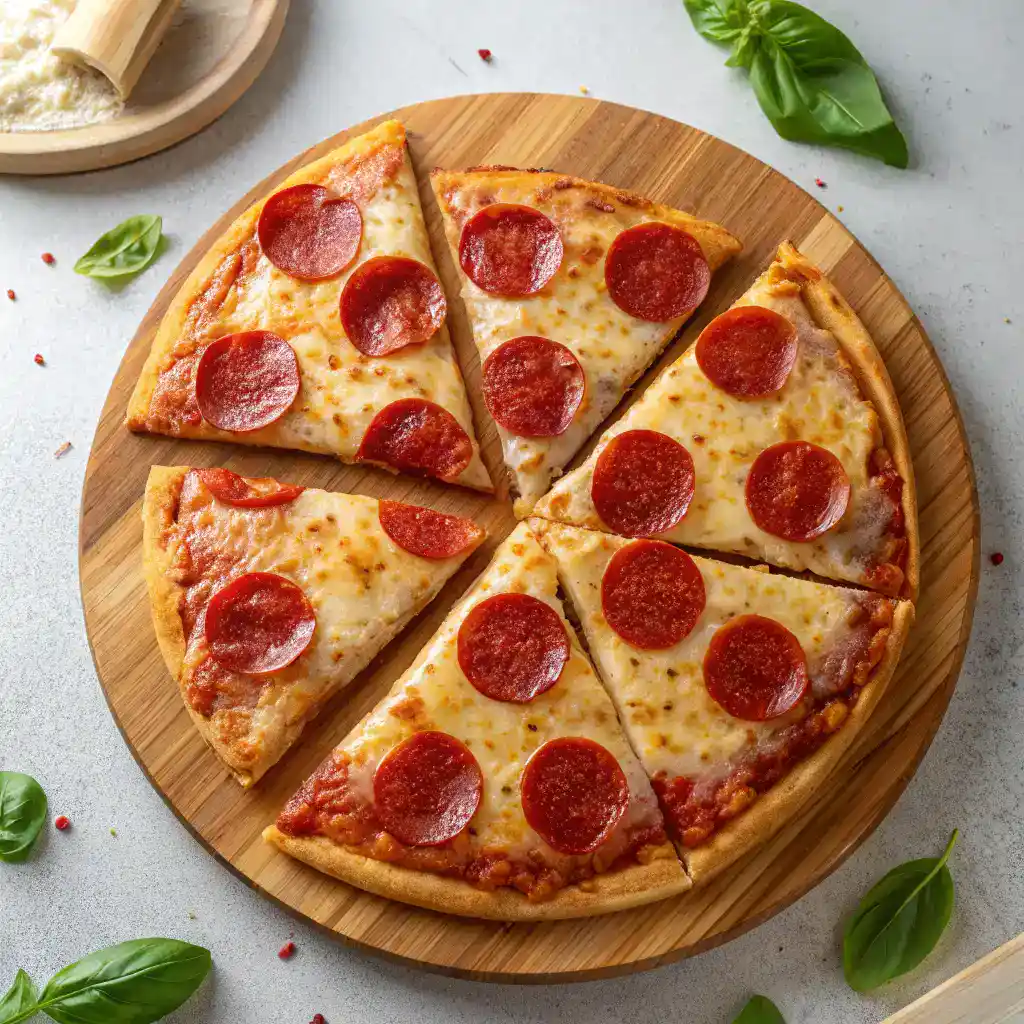
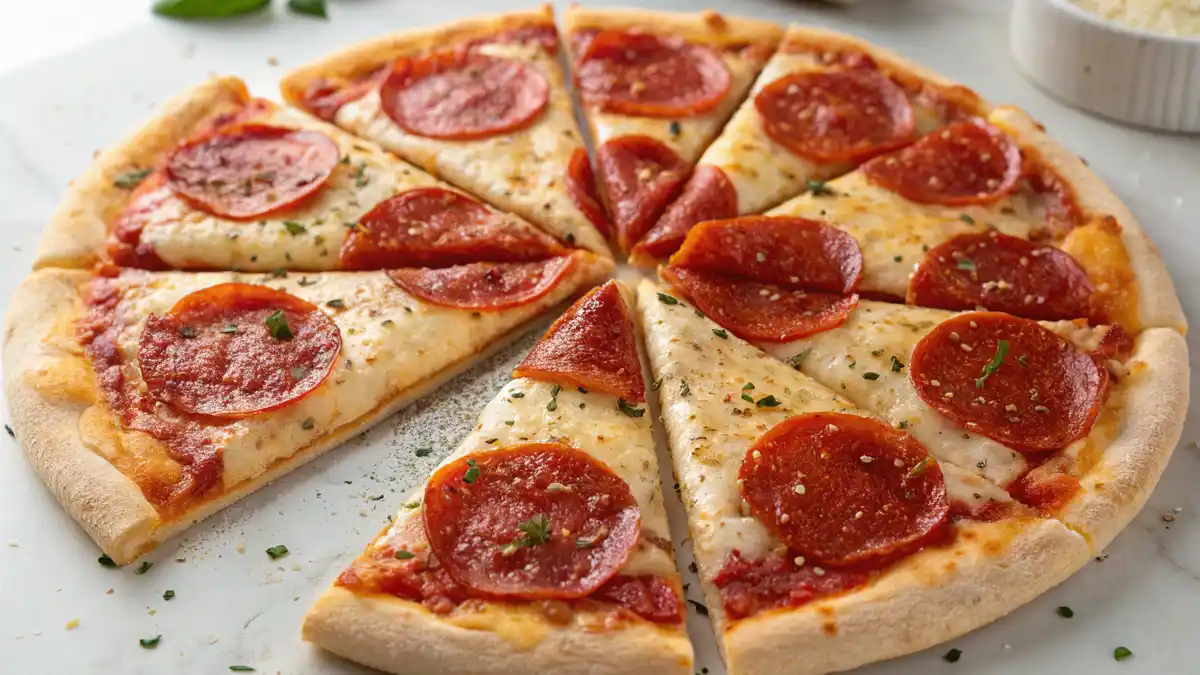
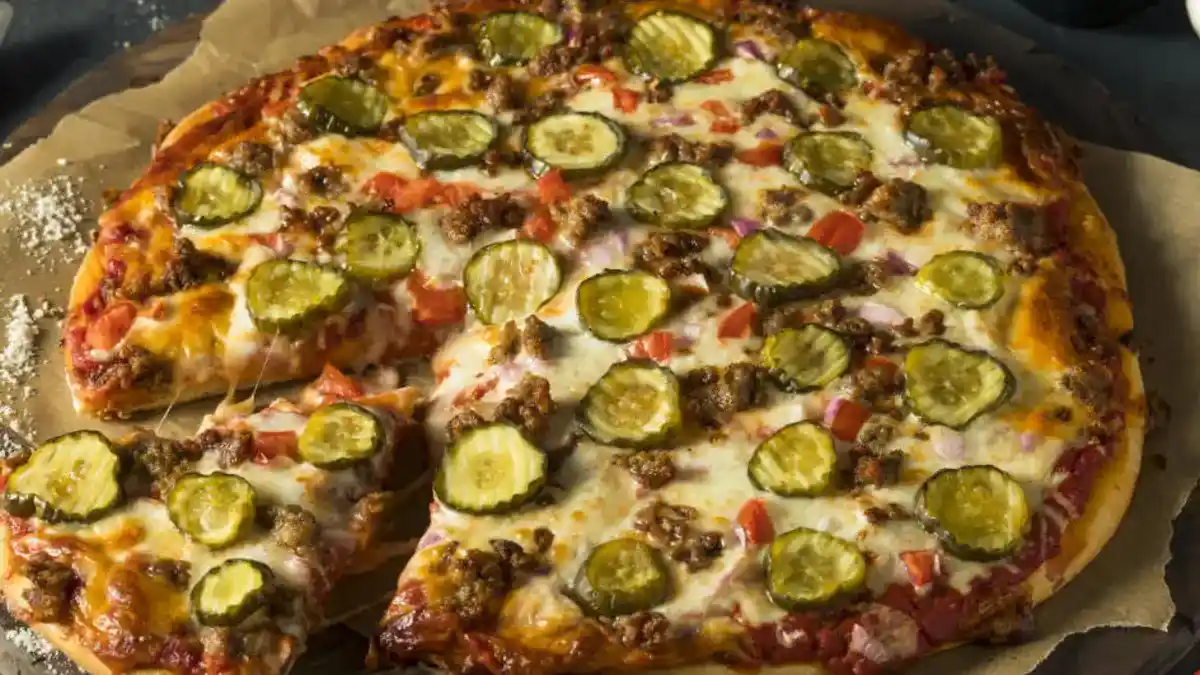
High protein pizza crust has a special story in my home. There’s a moment I’ll never forget one rainy Friday night when my family was craving pizza, but I was stuck between a rock and a hard place. My husband was deep into a fitness challenge, my teenage daughter was trying to eat cleaner, and I was just tired of sacrificing flavor for nutrition. That night, I experimented with a simple idea: what if we could have a pizza that tasted like the real deal but packed the protein punch of a post-workout meal?
ANNONCE
After a few tries some disastrous, some promising I landed on a game-changing high protein pizza crust made with ingredients already in my fridge. The result? A golden, chewy, savory crust that didn’t just satisfy our cravings but also aligned with our health goals. That recipe became a staple in our home, and today, I’m excited to share it with you.
Why You’ll Love This Recipe?
This high protein pizza crust recipe is a game-changer: it’s quick, requires no yeast or rising time, and delivers 26 grams of protein per serving. With a base made from Greek yogurt pizza dough, it’s both tender and rich in protein, making it one of the best high protein pizza crusts you can make at home without any strange ingredients or powders.
This high protein pizza crust is a game-changer: chewy, golden, and packed with 26g protein per serving. Made with Greek yogurt dough, it’s quick, easy, and satisfies pizza cravings while supporting health and fitness goals.
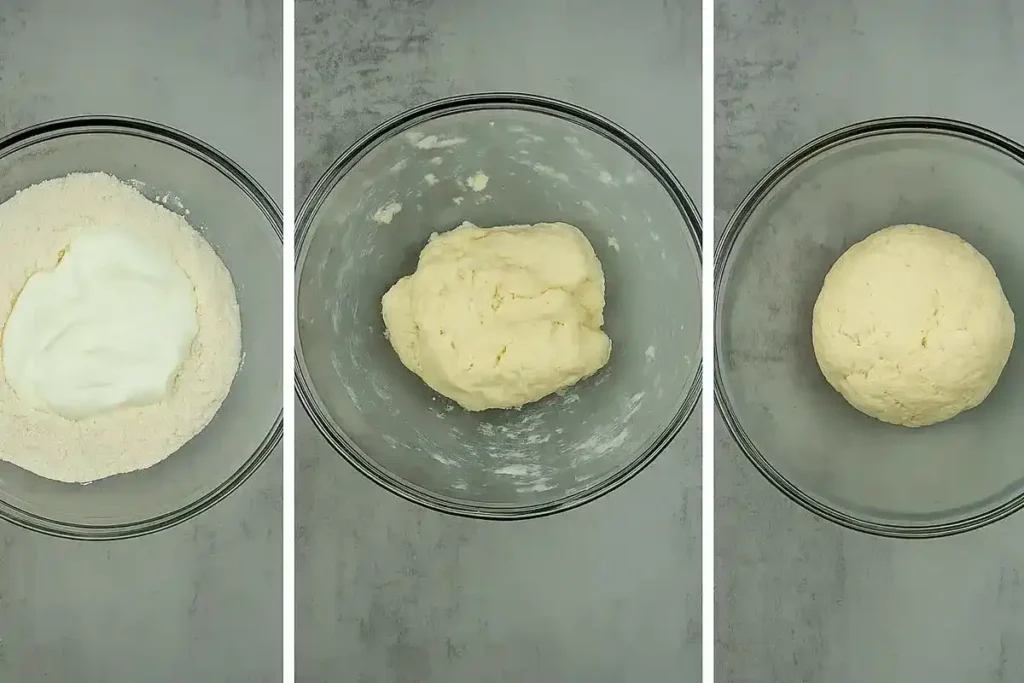
In a medium mixing bowl, combine self-rising flour, salt, and garlic powder.
Add Greek yogurt and stir until a shaggy dough forms. Knead for 2 minutes until smooth and soft.
Lightly flour a surface and roll dough into a 10-inch circle, about 1/4 inch thick.
Transfer crust onto a parchment-lined baking sheet.
Spread pizza sauce over the crust, then top with mozzarella and turkey pepperoni. Sprinkle with oregano and red pepper flakes if desired.
Bake in a preheated oven at 400°F (200°C) for 20–25 minutes, until crust is golden and cheese is bubbly.
Cool for 2–3 minutes, slice, and enjoy.
Notes
For extra crispiness, pre-bake the crust for 5 minutes before adding toppings. Try different variations like BBQ chicken, Mediterranean style, or veggie-loaded versions. Store leftovers in the fridge for up to 3 days or freeze for up to 2 months.
Keyword Fitness, Healthy, High-Protein
Servings and Timing
Prep Time: 10 minutes
Cook Time: 20–25 minutes
Total Time: 35 minutes
Servings: 2
Calories: 366 kcal per serving
Ingredients for the High Protein Pizza Crust
Here’s everything you need to make this nutritious and delicious high protein pizza dough Greek yogurt base, along with topping suggestions that keep protein high and fat in check.
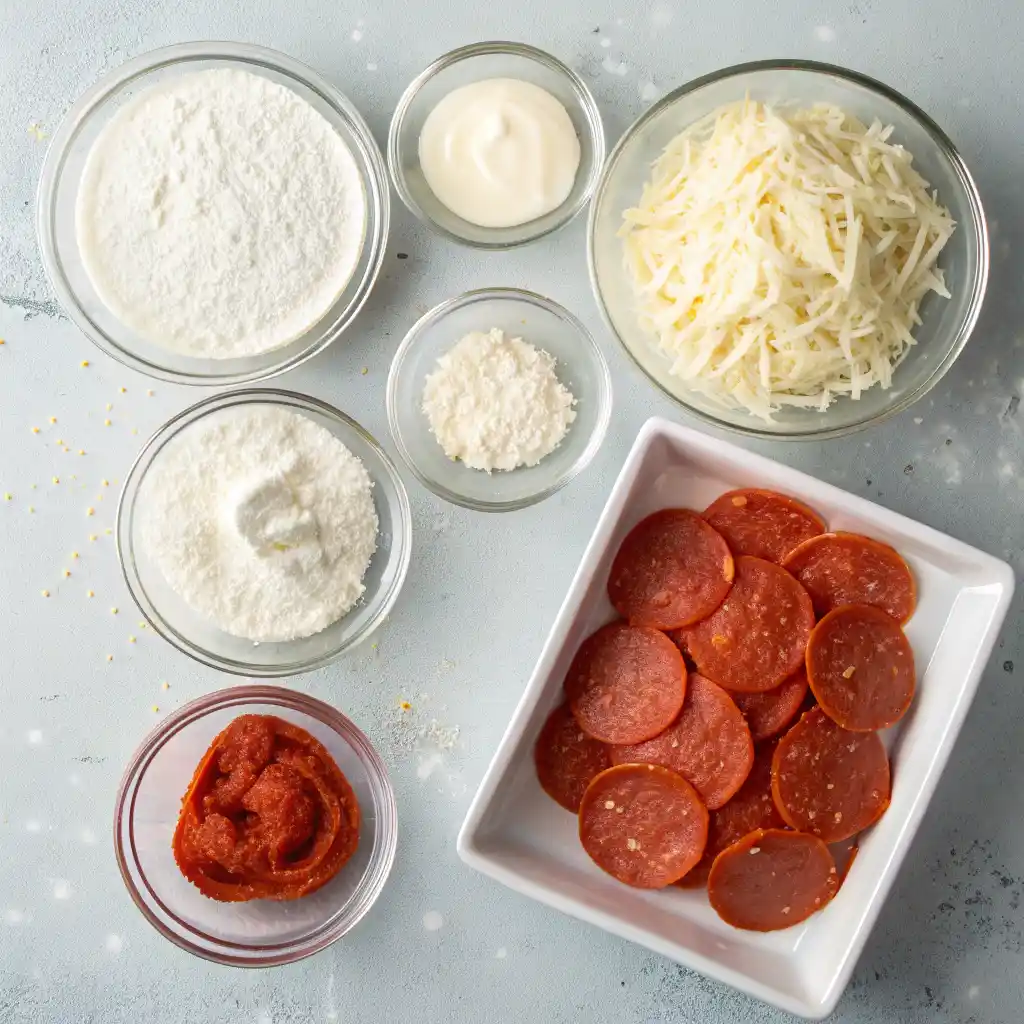
1 cup (120g) self-rising flour – creates a soft, airy crust with built-in leavening. For a gluten-free option, substitute with gluten-free self-rising flour blend.
¾ cup (170g) nonfat Greek yogurt – the star of the Greek yogurt pizza dough, adding moisture, tang, and a whopping 15g of protein per cup.
¼ tsp salt – enhances flavor and balances the dough.
¼ tsp garlic powder – adds a savory depth to your high protein pizza crust.
¼ cup (60g) pizza sauce or low-sugar spaghetti sauce – choose a no-added-sugar variety to keep carbs in check.
½ cup (56g) part-skim mozzarella cheese – lower in fat but still melty and rich in protein.
16 slices (28g): turkey pepperoni : a lean, high-protein alternative to traditional pepperoni.
Oregano and red pepper flakes (optional) – for a classic Italian kick.
Note: If you don’t have self-rising flour, make your own by combining 1 cup all-purpose flour + 1½ tsp baking powder + ¼ tsp salt.
Preparation Method: Crafting the Best High Protein Pizza Crust
Step One: Make the High Protein Pizza Dough Greek Yogurt Base
In a medium mixing bowl, combine the self-rising flour, salt, and garlic powder. Add the nonfat Greek yogurt and stir with a wooden spoon until a shaggy dough forms. Then, use your hands to knead the mixture for about 2 minutes until it comes together into a smooth, soft ball.
💡 Tip: Since yogurt thickness and flour absorption vary by brand, you may need to adjust slightly. If the dough is too sticky, add flour one teaspoon at a time. If too dry, add a splash of yogurt.
This step creates the foundation of your high protein pizza crust, leveraging the protein-rich properties of Greek yogurt for a chewy, satisfying texture.
Step Two: Roll Out the High Protein Pizza Crust
Lightly flour a clean surface and your dough ball. Roll the dough into a 10-inch circle (or your preferred size), aiming for a medium thickness about ¼ inch for the ideal balance of crisp and chew.
Place the rolled crust on a pizza paddle or baking sheet lined with parchment paper.
Step Three: Assemble Your High Protein Pizza
Spread the pizza sauce evenly over the crust, leaving a ¼-inch border for a golden edge. Sprinkle the shredded mozzarella cheese over the sauce, then layer on the turkey pepperoni slices.
For extra flavor, sprinkle with dried oregano and a pinch of red pepper flakes.
Step Four: Bake to Perfection
Preheat your oven to 400°F (200°C). Bake the pizza for 20–25 minutes, or until the crust is golden brown and the cheese is bubbly and slightly caramelized.
Remove from the oven and let cool for 2–3 minutes before slicing.
Variations and Customizations
This high protein pizza crust recipe is incredibly versatile. Try these healthy swaps to keep protein high and flavor exciting:
BBQ Chicken Version: Swap sauce for sugar-free BBQ sauce, add grilled chicken breast, red onion, and a sprinkle of cilantro.
Veggie Lover’s: Top with sautéed mushrooms, bell peppers, onions, spinach, and feta cheese.
Mediterranean Style: Use hummus as a base, add grilled chicken, kalamata olives, tomatoes, and a drizzle of olive oil.
Cottage Cheese Pizza Crust Option: For a high protein pizza crust cottage cheese variation, blend ¾ cup low-fat cottage cheese and use it in place of Greek yogurt. The result is slightly lighter but equally protein-packed.
Spice it up: Add crushed red pepper, smoked paprika, or a dash of cayenne for heat lovers.
Discover free daily recipes and kitchen inspiration — follow us on Pinterest !
Why High Protein Pizza Crust May Support Weight Loss
Incorporating a high protein pizza crust into your diet can be a smart move if you’re managing weight. Protein increases satiety, helping you feel fuller for longer and reducing overall calorie intake. Unlike traditional pizza crusts made with refined white flour, this version replaces empty carbs with nutrient-dense, protein-rich ingredients.
Studies show that high-protein meals can reduce hunger hormones like ghrelin and boost metabolism slightly through the thermic effect of food. By choosing a high protein pizza dough Greek yogurt base, you’re not just enjoying comfort food—you’re supporting your body’s fat-burning potential.
Top Benefits of a High Protein Pizza Crust
Muscle Preservation: Ideal for active individuals or those on a fitness journey.
Blood Sugar Control: Higher protein and lower refined carbs help stabilize glucose levels.
Convenience: No yeast, no rise time—perfect for busy weeknights.
Digestive Health: Greek yogurt contains probiotics that support gut health.
Customizable Nutrition: Easily adapt for low-carb, high-protein, or dairy-free diets.
This best high protein pizza crust isn’t just a meal it’s a lifestyle-friendly solution for modern eaters.
Storage and Reheating: Keeping Your High Protein Pizza Crust Fresh
Refrigerator: Store leftover pizza in an airtight container for up to 3 days.
Freezer: Wrap individual slices in foil and place in a freezer bag. Keeps for up to 2 months.
Reheating Tips:
Oven (Best Method): Reheat at 375°F for 8–10 minutes for a crispy crust.
Air Fryer: 5–7 minutes at 360°F for a perfectly crisp texture.
Microwave (Quick Option): Heat for 1–2 minutes, but the crust may soften. Add a cup of water in the microwave to preserve moisture.
Avoid soggy leftovers by reheating from cold rather than leaving pizza at room temperature for hours.
Tips and Additional Ideas
Boost protein further: Sprinkle extra Parmesan or add a layer of ricotta mixed with egg white before baking.
Add fiber: Mix 1–2 tablespoons of almond flour or oat fiber into the dough for a higher-fiber crust.
Make it crispy: Pre-bake the crust for 5 minutes before adding toppings.
Use fresh herbs: Top with fresh basil or parsley after baking for a burst of flavor.
Double the batch: Make two crusts and freeze one untopped for a future quick meal.
Nutrition Facts (Per Serving – 1/2 Pizza)
Calories
366 kcal
Protein
26g
Total Fat
7g
– Saturated Fat
3g
– Trans Fat
0g
– Unsaturated Fat
2.5g
Carbohydrates
50g
– Dietary Fiber
2g
– Sugars
5g
Sodium
680mg
Cholesterol
30mg
Percent Daily Values based on a 2,000-calorie diet.
Frequently Asked Questions (FAQs)
How to make a pizza higher in protein?
Boost protein by using a high protein pizza crust (like Greek yogurt or cottage cheese-based), adding lean meats (turkey pepperoni, chicken, lean ham), and topping with extra cheese or egg whites.
Which pizza has the highest protein?
Homemade pizzas with protein-rich crusts and lean toppings (like turkey sausage, grilled chicken, and extra cheese) typically have the highest protein. This high protein pizza crust recipe packs 26g of protein per serving far more than most restaurant pizzas, yet just as delicious.
Does pizza crust have protein?
Traditional pizza crusts made from white flour have minimal protein (around 3–5g per serving). However, a high protein pizza crust using Greek yogurt or cottage cheese can double or triple that amount.
What is the healthiest crust for pizza?
The healthiest crust is one made with whole grains, high-protein ingredients (like Greek yogurt or legume flours), and minimal added sugars. This Greek yogurt pizza dough version is among the healthiest due to its high protein and low fat.
Is there a high protein pizza crust?
Yes! This recipe is one of the best examples of a high protein pizza crust cottage cheese or Greek yogurt alternative. It’s easy to make, tastes like real pizza, and supports fitness and weight goals.
This high protein pizza crust recipe is intended for general informational and nutritional purposes. This content is for informational purposes only and is not a substitute for professional medical advice, diagnosis, or treatment. Always consult with a qualified healthcare provider or registered dietitian before making significant changes to your diet, especially if you have underlying health conditions such as diabetes, kidney disease, or food allergies.This recipe does not replace medical advice or prescription. Nutritional values are estimates and may vary depending on ingredient brands and substitutions.