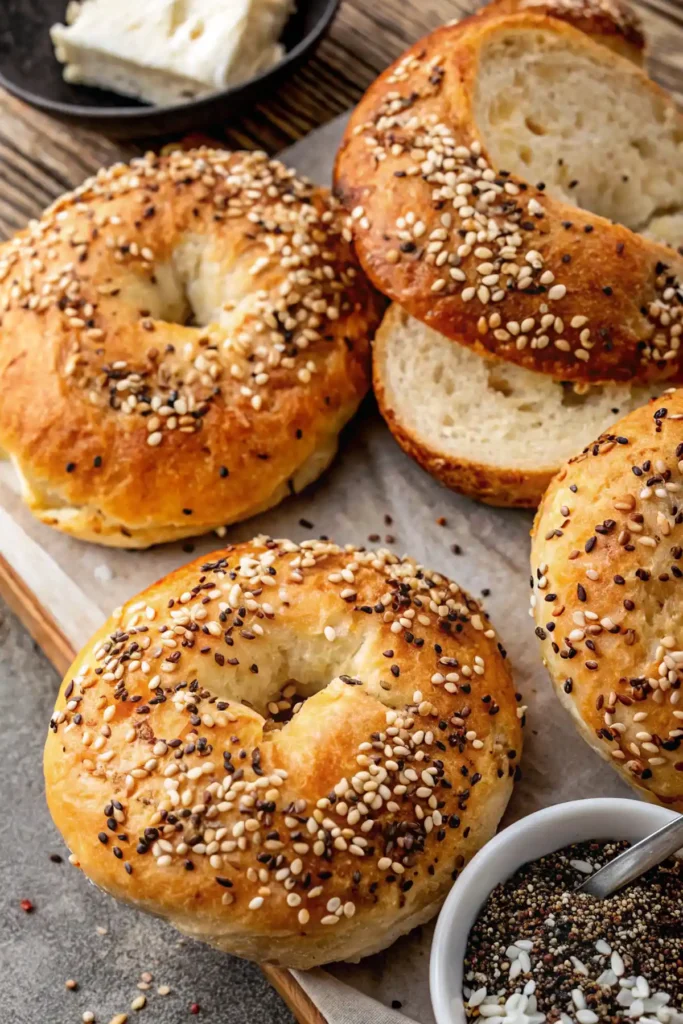
Cottage cheese bagels hold a special place in my kitchen, not just as a recipe but as a memory. There’s something deeply comforting about the smell of freshly baked bagels wafting through the kitchen. I remember one crisp Sunday morning last winter when I was experimenting with high-protein breakfasts for my active teenage son. He’s into fitness, and I wanted something wholesome, satisfying, and packed with protein without the sugar crash of store-bought options.
ANNONCE
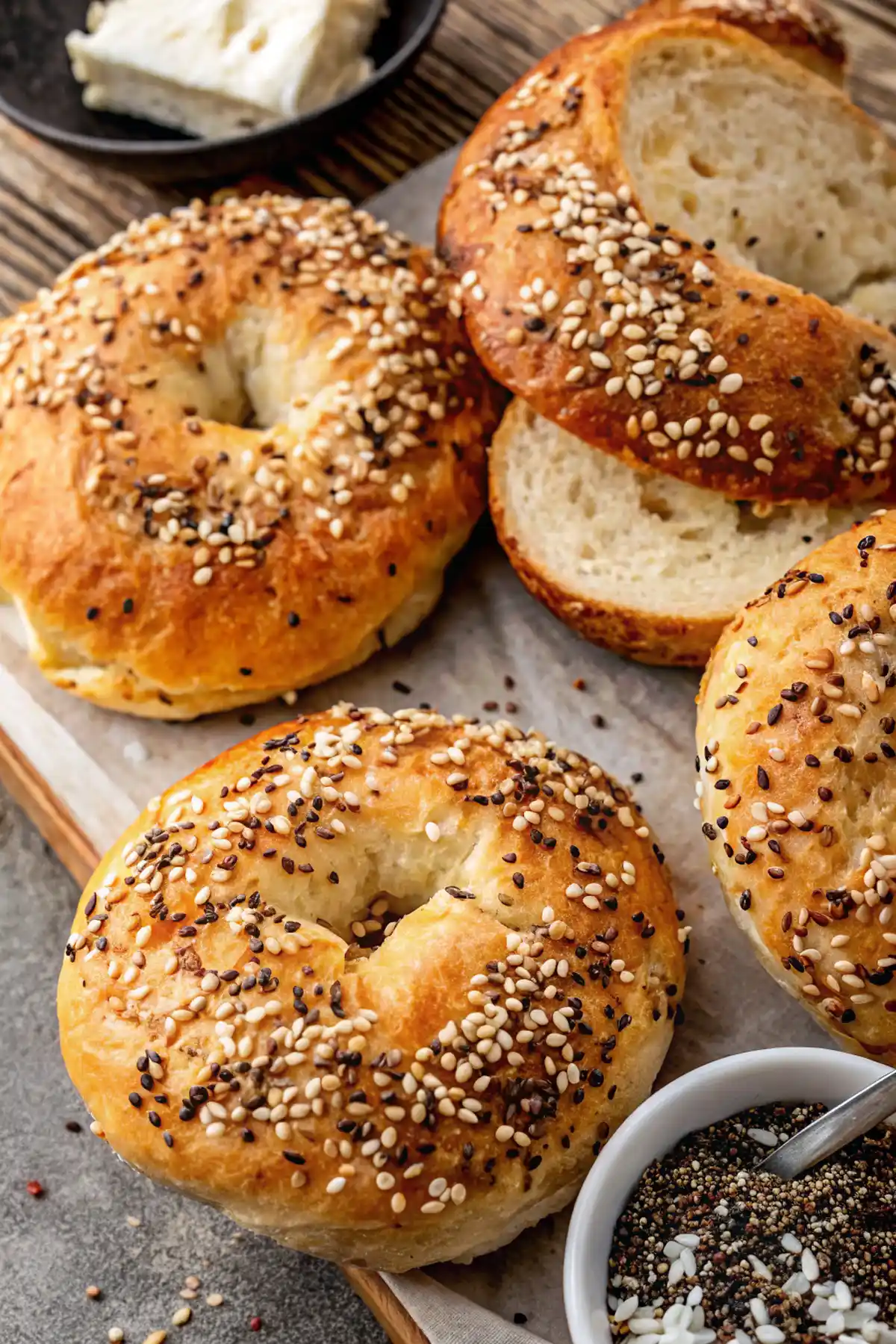
That’s when I stumbled upon the idea of cottage cheese bagels. I had a container of full-fat cottage cheese in the fridge, leftover from a salad, and a curiosity sparked by a viral TikTok trend. I blended it smooth, mixed it with flour, shaped the dough, and popped it into the oven. Thirty minutes later, golden, chewy bagels emerged soft inside, slightly crisp outside, and undeniably delicious. That day, a new family favorite was born.
Why Will You Like This Recipe?
Made with only three ingredients, these cottage cheese bagels are a quick, protein-packed option for a wholesome snack or breakfast. Whether you bake them in the oven or use the cottage cheese bagels air fryer method for speed, they’re perfect for busy mornings, post-workout snacks, or even low-carb sandwiches. Plus, they’re easily customizable and freezer-friendly!
These cottage cheese bagels are high-protein, chewy on the outside, soft on the inside, and made with just three simple ingredients. Perfect for busy mornings, post-workout snacks, or customizable sandwiches, they’re quick, freezer-friendly, and endlessly versatile.
1cupself-rising floursubstitute with gluten-free flour blend if needed
1cupfull-fat cottage cheeseblend until smooth
1largeeggbeaten, for egg wash
Toppings (optional)
Everything bagel seasoningoptional
sesame seeds or poppy seedsoptional
shredded asiago or cheddar cheeseoptional topping
Instructions
Place the cottage cheese in a blender or food processor and blend on high until completely smooth, 30–60 seconds.
In a mixing bowl, combine the blended cottage cheese and self-rising flour. Stir until a shaggy dough forms. Knead 8–10 times until smooth and not sticky.
Divide the dough into 4 equal portions (about 80 g each). Roll each into a 6–7 inch rope, then join ends to form bagels. Place on a parchment-lined baking sheet.
Brush the tops with beaten egg and sprinkle with desired toppings.
Bake in a preheated oven at 375°F (190°C) for 25–30 minutes until golden brown. Let cool for 15 minutes before slicing.
Air Fryer Option: Preheat to 350°F (175°C). Lightly spray basket, place bagels inside, and cook for 12–14 minutes, flipping halfway.
Notes
For keto bagels, replace flour with almond flour, coconut flour, baking powder, and salt. For a no-flour option, use cottage cheese, eggs, Parmesan, and baking powder. Bagels are freezer-friendly for up to 4 months. Store at room temperature up to 4 days.
1 cup self-rising flour(or substitute with gluten-free flour blend for a GF option; see notes below)
1 cup full-fat cottage cheese(essential for texture and protein; blend until smooth for best results)
1 large egg, beaten (for egg wash helps toppings adhere and gives a golden finish)
Topping Ideas (optional): everything bagel seasoning, sesame seeds, poppy seeds, or a sprinkle of shredded Asiago cheese.
Note: For a cottage cheese bagels no flour version, see variations below. For a keto-friendly option, substitute flour with a low-carb alternative (details in Variations section).
Place the cottage cheese in a blender or food processor and blend on high until completely smooth, about 30–60 seconds. Scrape down the sides as needed. This step is crucial it removes the lumpy texture and creates a uniform dough.
Tip: For the best texture and flavor, choose full-fat cottage cheese. Using low-fat versions may make the bagels turn out drier and less rich.
Step Two: Mix and Knead the Dough
Place the blended cottage cheese into a mixing bowl, then add the self-rising flour. Stir until a shaggy dough begins to come together. Transfer the dough onto a lightly floured surface and knead gently 8–10 times, just until it feels smooth and no longer sticky. If the dough is too tacky, sprinkle in a little extra flour, but be careful not to add too much.
Gluten-Free Option: Use 1 cup of a gluten-free flour blend with xanthan gum (like King Arthur) + 1 tsp baking powder + ½ tsp salt.
Step Three: Shape the Bagels
Divide the dough into 4 equal pieces, roughly 80 grams each. Roll each into a 6–7 inch rope, then form a circle by joining the ends. Pinch the seam firmly to seal. Place on a parchment-lined baking sheet.
Pro Tip: For uniform size, use a kitchen scale. This ensures even baking.
Step Four: Season and Bake
Brush the tops of the bagels with beaten egg, then sprinkle on your favorite toppings. Bake on the top rack at 375°F (190°C) for 25–30 minutes, until golden brown and puffed. Allow the bagels to cool for about 15 minutes before slicing and serving.
Preheat air fryer to 350°F (175°C) for 5 minutes. Lightly spray the basket, place 1–2 bagels inside (don’t overcrowd), and cook for 12–14 minutes, flipping halfway. They should be golden and firm in the center.
Bonus: The air fryer method cuts cooking time nearly in half and gives a crispier crust!
Variations and Customizations
Cottage Cheese Bagels Keto Version
To make cottage cheese bagels keto, replace self-rising flour with:
¾ cup almond flour
¼ cup coconut flour
1½ tsp baking powder
¼ tsp salt
1 egg (in addition to the one for egg wash)
This version reduces carbs significantly and keeps the bagels low-glycemic. Note: The texture will be more delicate.
Cottage Cheese Bagels No Flour (Low-Carb Alternative)
For a no-flour version, try:
1 cup blended cottage cheese
3 eggs
⅓ cup grated Parmesan cheese
½ tsp baking powder
½ tsp garlic powder (optional)
Combine the ingredients into a sticky dough, shape into mini bagels, and bake at 375°F (190°C) for 20–25 minutes. These bagels are ultra-low carb, making them perfect for keto or grain-free diets.
Cheesy Twist: Top with shredded cheddar or asiago before baking
Savory Herbs: Mix dried dill, garlic powder, and onion flakes into the dough
Sweet Version: Skip salt, add cinnamon, and top with a drizzle of honey after baking
Spice it up: Sprinkle in some red pepper flakes or smoked paprika to give your bagels an extra kick.
Why Cottage Cheese Bagels May Support Weight Loss
Cottage cheese is a nutritional powerhouse for those aiming to lose weight or maintain muscle. With 11g of protein per bagel, these bagels help keep you full longer, reducing cravings and snacking between meals. The high protein content boosts satiety and supports lean muscle mass, especially when paired with strength training.
Additionally, cottage cheese has a low glycemic index, meaning it won’t spike your blood sugar. This helps regulate insulin levels and prevents energy crashes key for sustainable weight management.
Top Benefits of Cottage Cheese Bagels
High Protein Content: Supports muscle repair and keeps you full.
Simple & Quick: Ready in under 40 minutes with minimal cleanup.
Customizable: Easily adapted for gluten-free, keto, or low-carb diets.
Freezer-Friendly: Prepare a double batch and freeze the bagels for quick, hassle-free breakfasts on busy mornings.
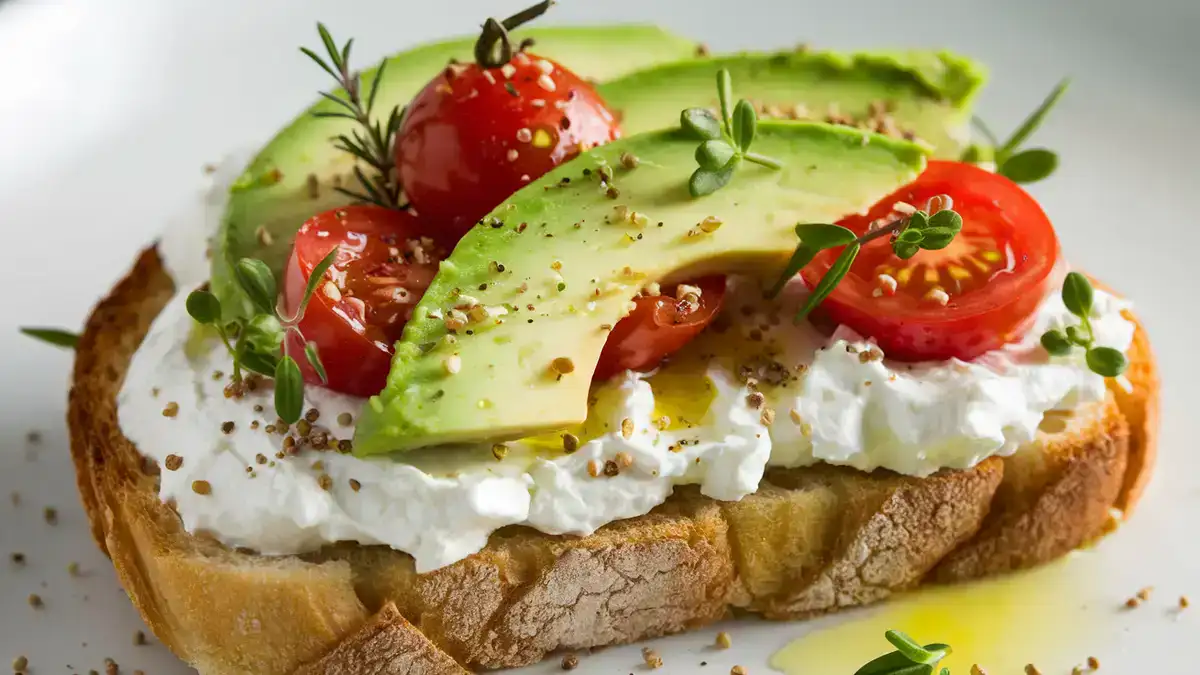
Versatile: Perfect for avocado toast, lox, cream cheese, or turkey sandwiches.
Rich in Calcium & B Vitamins: Supports bone health and energy metabolism.
Storage and Reheating
Storage Tips for Cottage Cheese Bagels
Room Temperature: Keep the bagels in an airtight container for 3–4 days to maintain freshness.
Freezing: Slice bagels almost all the way through (like a sandwich), wrap individually, and freeze for up to 4 months.
Avoid Refrigeration: It can dry them out faster.
Reheating for Best Results
Toaster: Ideal for frozen or fresh bagels crispy outside, soft inside.
Oven: Reheat at 350°F (175°C) for 8–10 minutes—perfect for warming multiple bagels at once.
Air Fryer: 340°F for 3–4 minutes (perfect for reviving frozen ones).
Microwave (not recommended): Can make them rubbery use only if in a hurry, and add a splash of water.
Tips and Additional Ideas
Use a kitchen scale for precise dough portions and even baking.
Preheat your air fryer for consistent results.
Thoroughly blend the cottage cheese to eliminate lumps and achieve a smooth, creamy texture.
Try different cheeses: Ricotta or Greek yogurt can substitute cottage cheese, though texture and protein may vary.
Add-ins: Mix in herbs, garlic, or nutritional yeast for extra flavor.
Serve warm with butter, cream cheese, or Boursin for a gourmet touch.
📌 Discover free daily recipes and kitchen inspiration follow us on Pinterest !
Nutrition Facts (Per Serving – 1 Bagel)
Calories
180 kcal
Protein
11g
Carbohydrates
25g
Fiber
1g
Sugars
2g
Total Fat
4g
– Saturated Fat
1g
– Polyunsaturated Fat
1g
– Monounsaturated Fat
1g
– Trans Fat
0.01g
Cholesterol
50mg
Sodium
182mg
Calcium
54mg
Iron
1mg
Vitamin A
134 IU
Nutrition values are approximate and may vary based on ingredients and substitutions.
Frequently Asked Questions (FAQs)
Is cottage cheese good for bagels?
Yes! Cottage cheese adds moisture, protein, and a mild tang that enhances flavor and texture. When blended smooth, it creates a tender, chewy crumb similar to traditional bagels.
Can you use cottage cheese instead of yogurt in bagels?
How do you make Bethenny Frankel’s viral cottage cheese bagel?
Bethenny Frankel’s version is similar using cottage cheese, egg, and flour. The key is blending the cottage cheese first and baking until golden. Some versions use baking powder if not using self-rising flour.
Why do bodybuilders eat cottage cheese before bed?
Cottage cheese is rich in casein protein, which digests slowly and provides a steady release of amino acids overnight ideal for muscle recovery and preventing muscle breakdown during sleep.
Hungry for more? Follow us on Facebook for fresh, free recipes every single day!
For more free daily recipes, follow us on our Facebook page!
These cottage cheese bagels are more than just a trendy TikTok recipe they’re a nutritious, satisfying, and endlessly adaptable staple for health-conscious households. Whether you’re making them in the oven, air fryer, or tweaking them for keto or gluten-free diets, they offer a delicious way to start your day with a protein boost.
Health Disclaimer
This recipe is for informational and culinary purposes only. This information is not intended to diagnose, treat, cure, or prevent any disease. This prescription does not replace a medical prescription. Always consult with a healthcare professional before making significant dietary changes, especially if you have allergies, medical conditions, or are on a prescribed diet.